The key facts
- Sales of the Sega Drive 2 Classic in Russia tripled over the year, and demand for Game Boy, Tetris and Tamagotchi grew by more than 50% (Avito).
- Psychologist Ilya Slobodchikov explains the trend by the cyclical nature of retro fashion.
- According to clinical psychologist Darya Basova, video games are increasingly seen as a tool for supporting mental health.
Retro toys are back in fashion
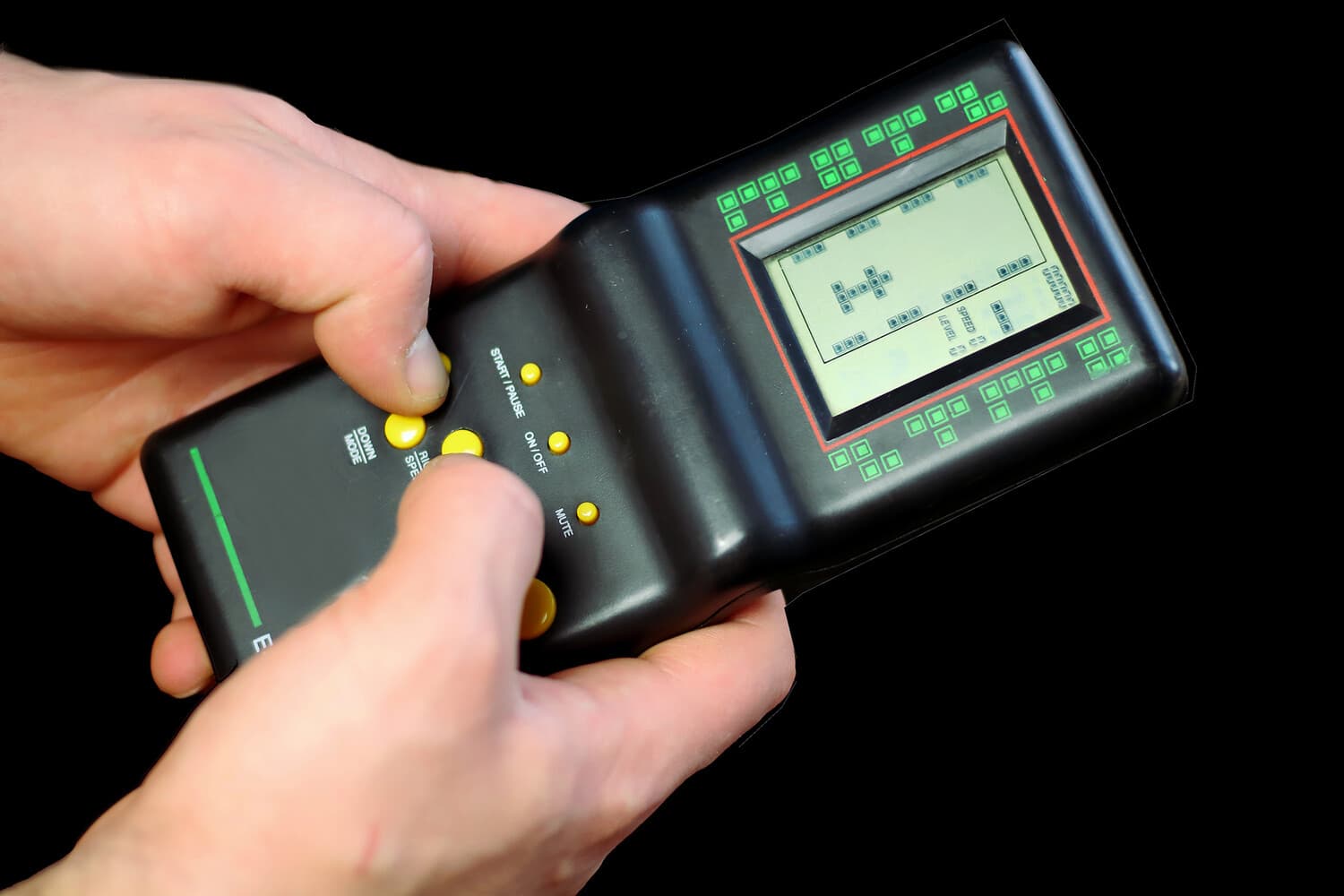
Russians' interest in the iconic toys of the last century — Tetris and Tamagotchi — is explained by the cyclical nature of retro fashion. This version was voiced to RIA Novosti by child and adolescent psychologist, Doctor of Psychological Sciences Ilya Slobodchikov, as reported by Gazeta.Ru. 'Retro fashion returns from time to time. It is always a cyclical story, and I think that here one thing simply coincided with another,' he said. According to him, both games are unique and can benefit cognitive functions, improving fine motor skills and logic.
What the sales data say
The growth of interest is confirmed by figures: according to a study by Avito, sales of the retro console Sega Drive 2 Classic in Russia over the past year tripled, while demand for Game Boy, Tetris and Tamagotchi grew by more than 50%. Thus, the psychologist's words about the coincidence of fashion cycles are accompanied by a measurable change in demand, and not just an observation.
Games as a mental health tool
The context of the trend is complemented by an earlier statement by clinical psychologist Darya Basova: according to her, video games are increasingly viewed by specialists not as entertainment, but as a tool for supporting mental health. Games, she noted, are a 'low-risk environment' in which one can practice interaction skills and regain a sense of control without fear of real consequences — this is especially important for those who find it difficult to take the first step.