The key facts
- Israel is building roads linking military posts in the western and central sectors of southern Lebanon (NNA)
- Talks in Tampa on October 20–21 ended without a joint statement; disagreements over troop withdrawal and Hezbollah's disarmament persist
- According to Lebanon's health ministry, since March 2 attacks have killed at least 4,386 people, wounded 12,407 and displaced more than 1 million
New road infrastructure in occupied territories
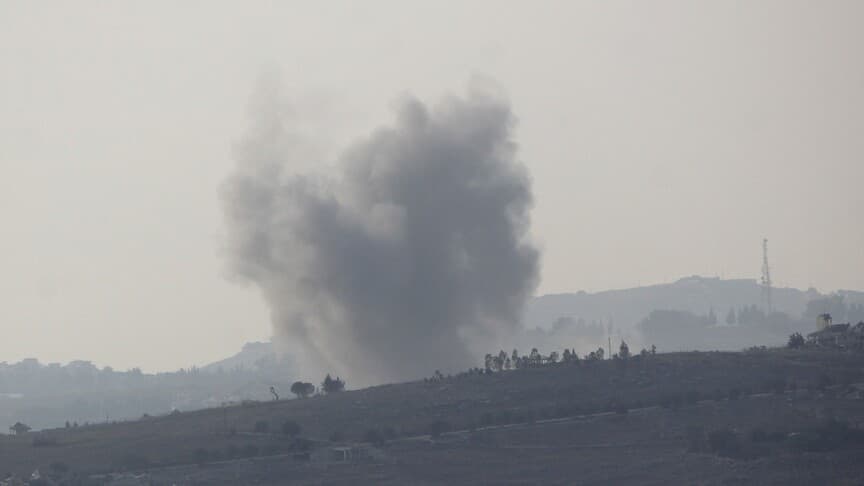
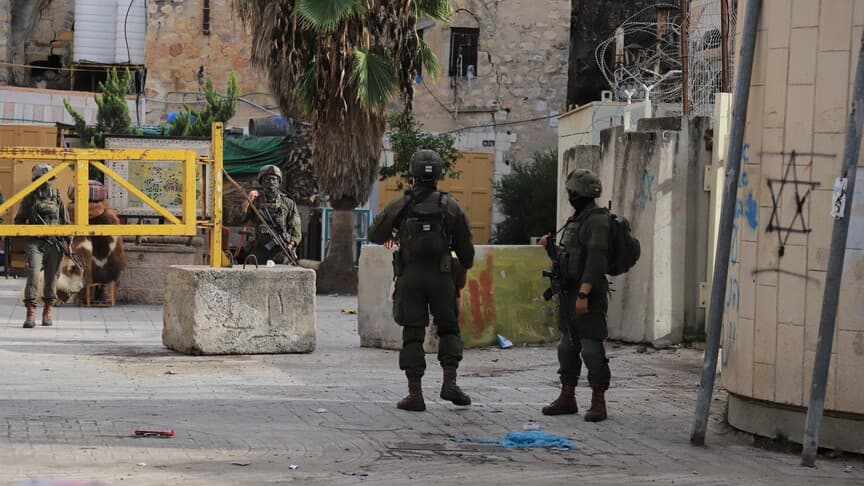
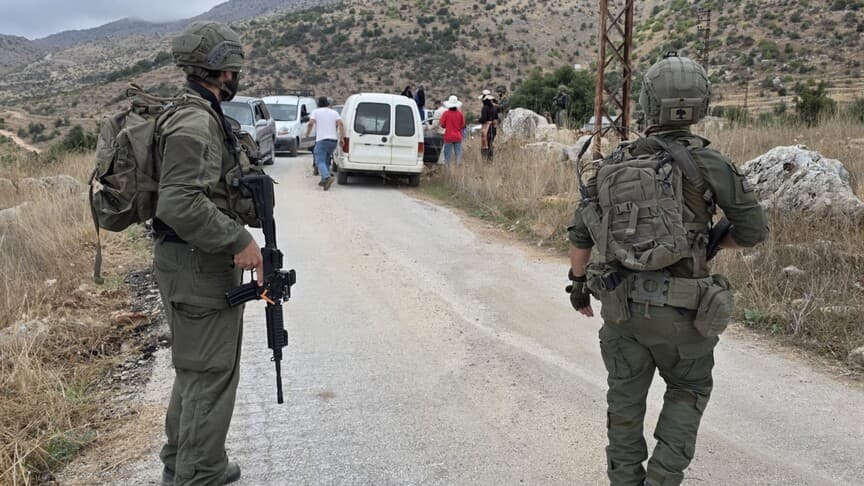
The Israeli army is building new roads through the mountains and valleys of southern Lebanon to connect its military positions, the Lebanese National News Agency (NNA)reported on Saturday. The work covers the western and central sectors of the south of the country, where Israeli forces have stationed military posts on occupied Lebanese territory. According to the agency, construction is proceeding in parallel with Israeli demolition operations in the area.
Geography of the works
The central sector includes the towns of Aita al-Shaab, Maroun al-Ras, Bint Jbeil and Aitaroun; Maroun al-Ras lies across the border opposite the Israeli settlement of Avivim. The western sector includes Naqoura, Yarin, Dhyira, Marwahin and Alma al-Shaab, where the Lebanese army and the United Nations Interim Force in Lebanon (UNIFIL) are deployed.
Context of the talks and the framework agreement
Israel's military activity followed US-mediated military and technical talks between Lebanon and Israel held in Tampa, Florida, on October 20–21. The meetings ended without an announced breakthrough and without a joint statement. According to reports, the sides agreed to continue negotiations, although disagreements remain over the withdrawal of Israeli troops from Lebanese territory and the disarmament of Hezbollah. The framework agreement reached in June provides for Israel's gradual withdrawal from occupied Lebanese territory in exchange for the deployment of the Lebanese army and the disarmament of armed groups. Despite the agreement, Israel continued military operations in Lebanon. According to the Lebanese Ministry of Health, since March 2 the attacks have killed at least 4,386 people, wounded 12,407 and displaced more than 1 million people.