The key facts
- According to the Lebanese official, Hezbollah would enter the war only if Iran's survival were threatened, not in response to a new American strike
- The group has already lost forces over more than three years of war with Israel but is believed to retain weapons stockpiles
- The official rejected reports in Lebanese media about the failure of the Tampa talks, calling them 'the most constructive round'
The condition for Hezbollah's intervention
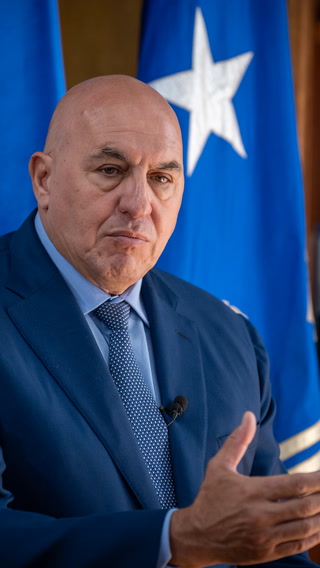
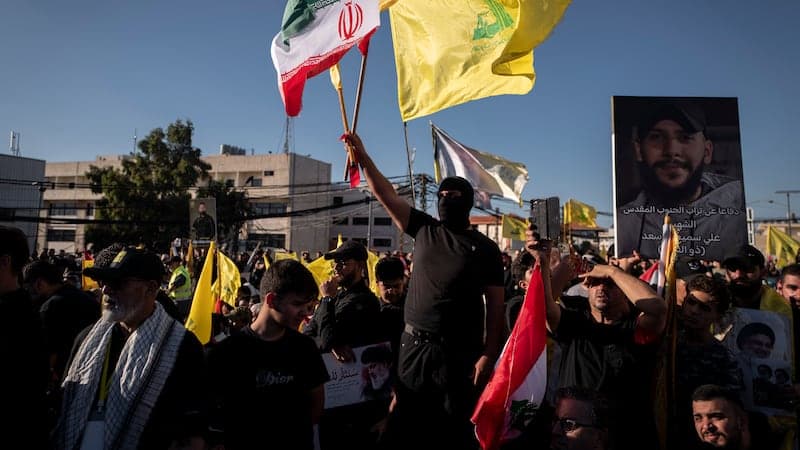
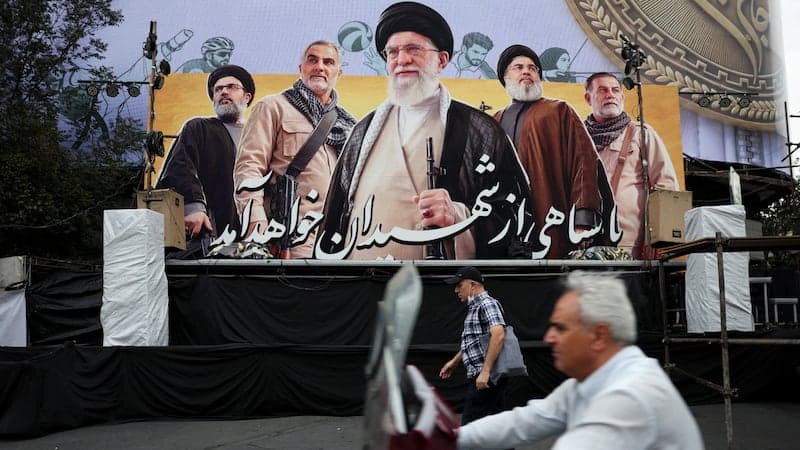
Hezbollah is unlikely to join a potential new war between the US and Iran unless Tehran's leadership faces a threat to the very existence of the Iranian system, a senior Lebanese official told The National, speaking on condition of anonymity. According to him, the group's intervention depends on whether Iran's survival and its ruling system are at stake, not merely on a new American strike. He recalled that at the start of the current conflict, Hezbollah had warned — including the Americans — that it would enter the fight if Supreme Leader Ali Khamenei were killed.
Context: the eighth month of the war
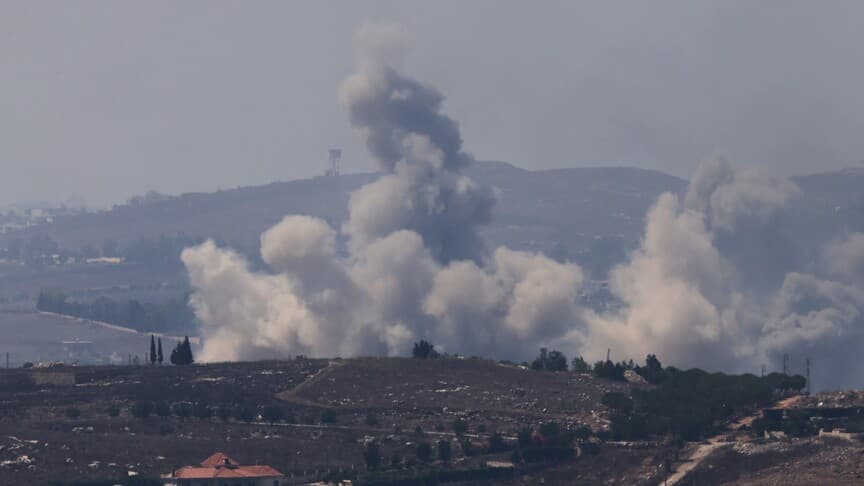
The conflict in the region, now in its eighth month, began in February after Israeli and US airstrikes on Iran. Two days later, on March 2, Hezbollah shelled northern Israel in response to Khamenei's death, which triggered a massive Israeli bombardment of Lebanon and the occupation of towns in the country's south. Israeli troops remain in the south and continue strikes, despite the framework agreement signed in June with Lebanese state mediation by the US; the group itself, which was not a party to the agreement, rejected it but refrains from combat operations against Israeli forces.
Talks and the state of the group
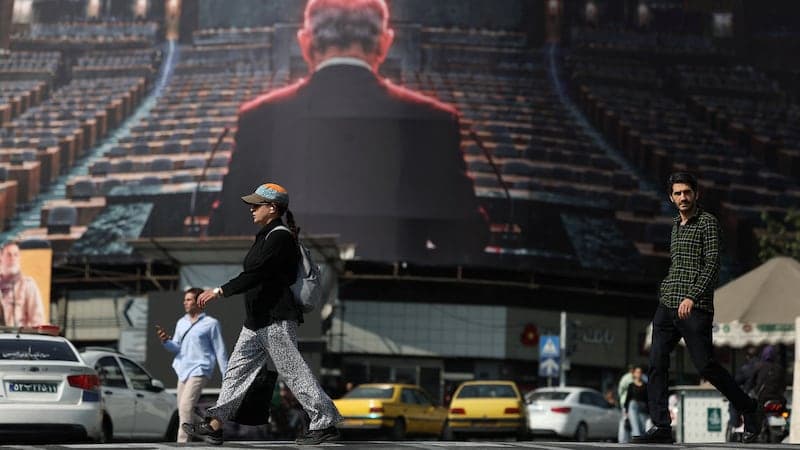
The official described last week's meeting between the Israeli and Lebanese delegations at US Central Command headquarters in Tampa, Florida, as 'very good' and 'the most constructive round of military talks so far,' rejecting reports in Lebanese media that it had failed. The Lebanese side is seeking a halt to Israeli attacks and a troop withdrawal; the framework agreement provides for Hezbollah's disarmament and an expanded role for the Lebanese army. In the official's assessment, if Iran's survival were seriously threatened, the group would intervene despite its weakened military capabilities after more than three years of war with Israel — while, it is believed, it retains weapons stockpiles. Disarming the group remains one of the most contentious issues in Lebanon's domestic politics: Hezbollah refuses to lay down its weapons while Israeli forces are on Lebanese territory, whereas Beirut has committed to disarming it. Meanwhile, Washington and Tehran continue to exchange proposals for ending the war and reopening the Strait of Hormuz, but significant disagreements over the terms of a deal persist; Qatari mediators delivered a draft proposal to Tehran, which an Iranian official called unacceptable.