The key facts
- The Israeli military has completed defensive and offensive preparations; the decision on war depends on Trump
- The Israeli Air Force rehearsed strike routes in Syrian and Iraqi airspace
- CENTCOM chief Brad Cooper presented military options to Trump; no decision on resuming hostilities has been made
Preparations complete, the decision rests with Washington
Israel has completed preparations for a possible resumption of military confrontation with Iran, and the head of US Central Command, Brad Cooper, presented President Donald Trump with options for renewing strikes, the newspaper Yedioth Ahronoth reported on Saturday. According to the outlet, the Israeli military has completed defensive and offensive preparations, but the decision on returning to war remains with Trump while negotiations between Washington and Tehran continue. Sources at the newspaper in political circles claim Israel is approaching a new round of fighting, but Israel's political and military leadership does not control that decision: everything depends on whether Trump chooses an agreement with Tehran or strikes in coordination with Israel.
Exercises and military deliveries
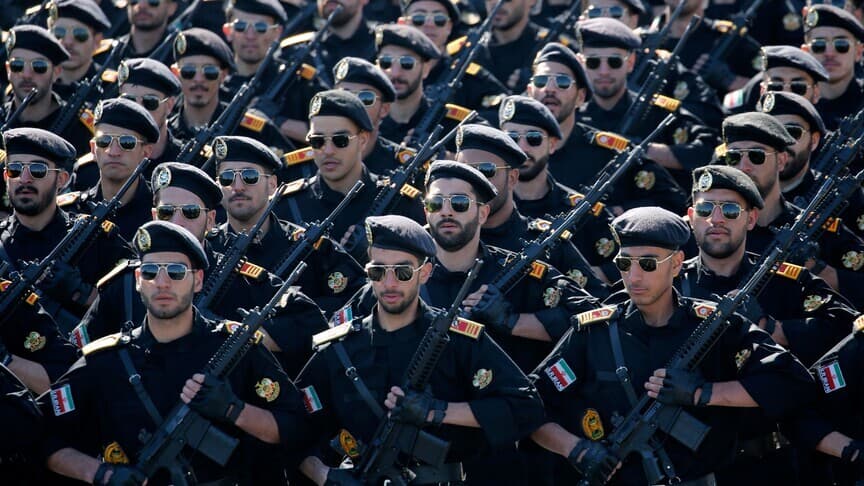
According to the newspaper, the preparations have gone beyond planning. The Israeli Air Force has conducted — more than once — flights by dozens of fighter jets and refueling aircraft through Syrian and Iraqi airspace toward Iran's borders, rehearsing potential strike routes. Cooper presented military options to Trump at a meeting attended by Defense Secretary Pete Hegseth and Chairman of the Joint Chiefs of Staff Dan Caine; no decision on resuming hostilities has been made. Citing media reports, the newspaper also writes that in recent days 10 American military transport aircraft have arrived at Israeli airbases as part of an air bridge delivering military equipment to the region — against the backdrop of a continuing US force buildup.
Washington's dilemmas and the diplomatic track
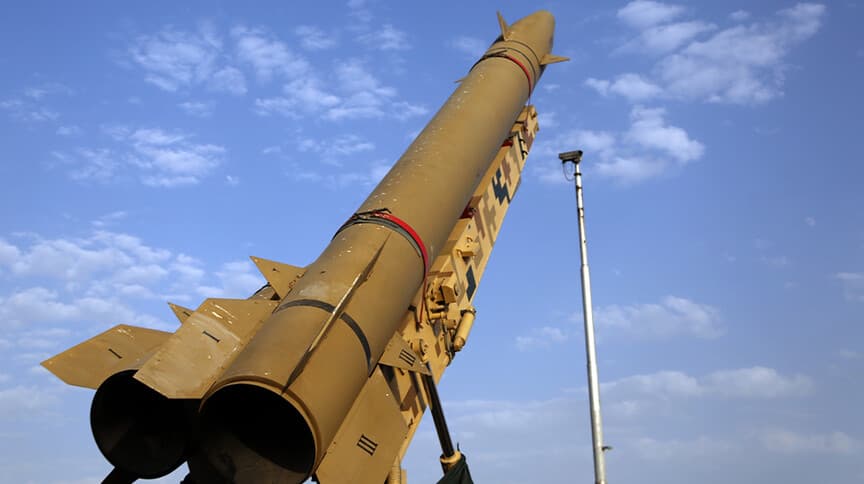
The key dilemma, according to the newspaper's sources, is the absence of clear US strategic objectives for a possible operation: airstrikes on Iran's nuclear facilities, missile systems and military infrastructure would not necessarily lead to a change of government or a change in its policies. Sources suggest Washington may use military threats to pressure Tehran into accepting an agreement on terms more favorable to the US, and warn that a deal that does not address Israeli concerns about Iran's nuclear program, missiles and armaments would leave the threats unresolved. A separate risk is the spread of hostilities to Lebanon if Hezbollah joins in, which, in the sources' view, could prolong the war and place additional strain on Israel's missile defenses and interceptor stockpiles. At the same time, citing reports of progress in indirect US-Iran contacts mediated by Qatar, the newspaper writes that they are intended to pave the way for direct talks on Iran's nuclear program, the Strait of Hormuz and economic incentives, with China and Russia potentially serving as guarantors of an agreement. The newspaper concludes that the central challenge for Israel is not simply to prepare a new strike, but to ensure that any military action serves its long-term security interests and has clearly defined objectives and conditions for a ceasefire. Background from the outlet: the war began with American and Israeli strikes on Iran on February 28, a truce was reached in April, and in July, amid stalled negotiations, hostilities between Washington and Tehran resumed.