The key facts
- Former co-leader Adrian Ramsay described the party's position as a 'crossroads' and called for a return to its 'core values'
- The Zionism motion drew criticism from Jewish organisations, an EHRC letter, and Labour's decision to end power-sharing agreements with the Greens on councils
- Polanski did not take part in the vote and said he would not have voted for the motion, but called its key part about a 'racist ideology' 'obvious'
Ramsay: party at a 'crossroads'
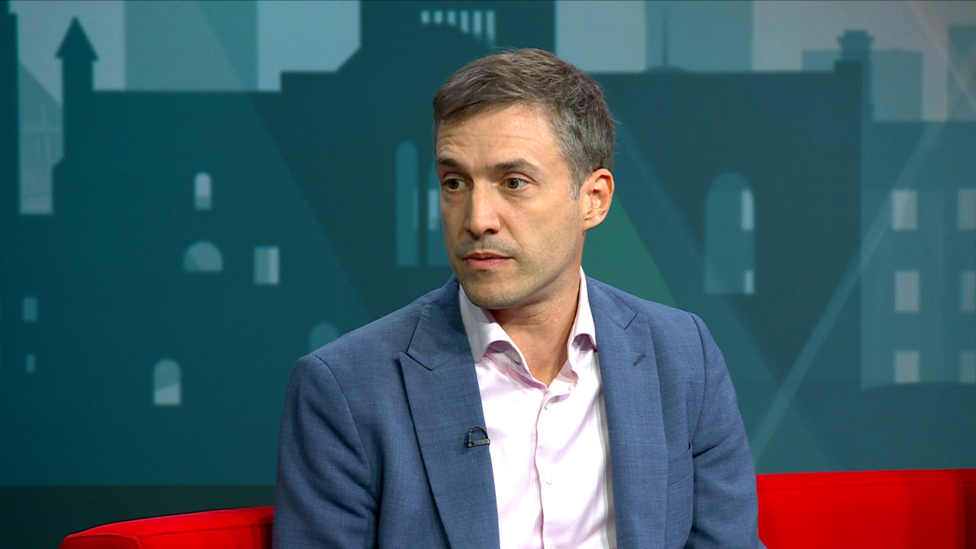
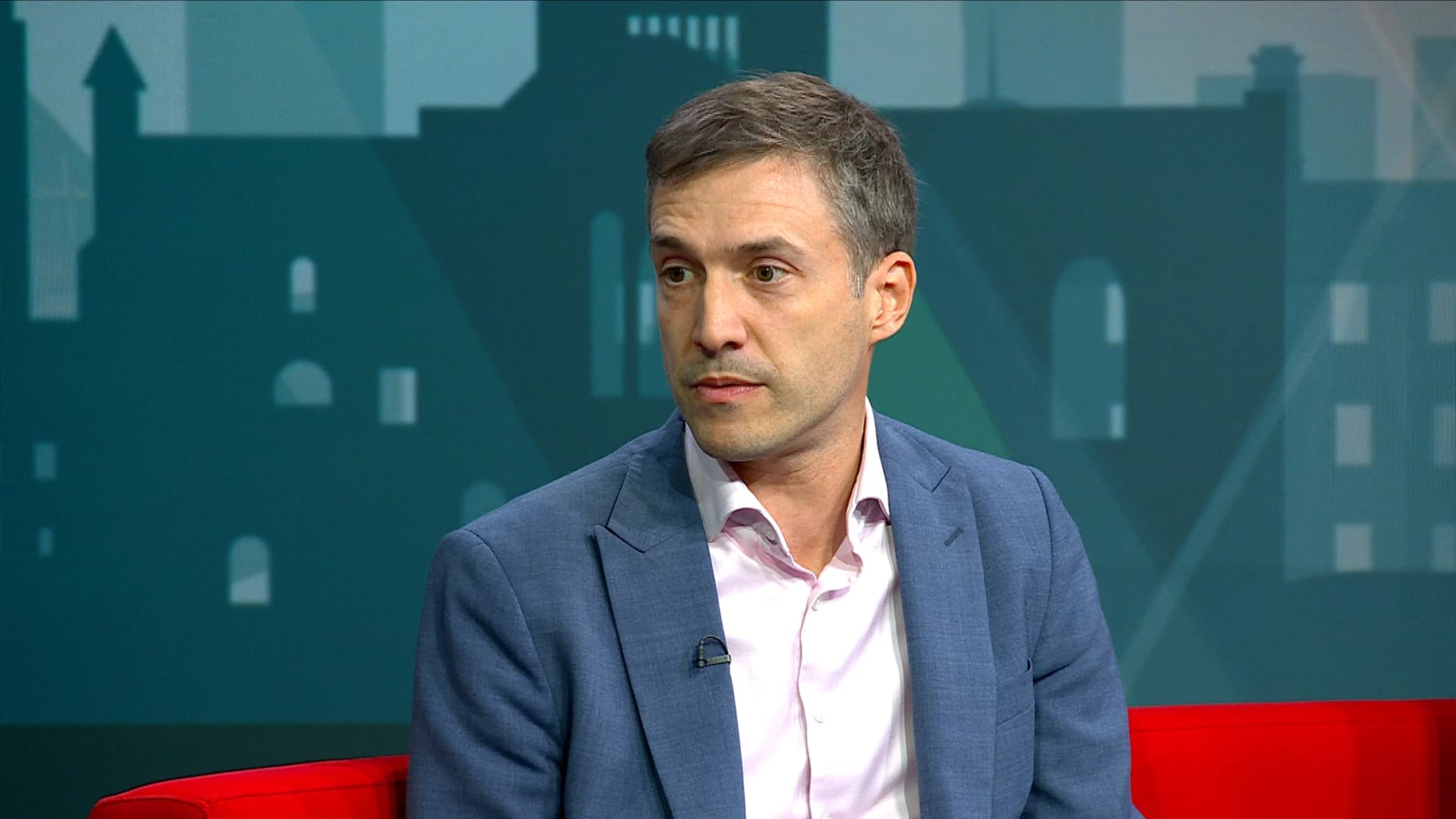
The Green Party of England and Wales is at a 'crossroads' and must focus on its 'core values', said the party's former co-leader Adrian Ramsay in an interview with the BBC, weeks after party members passed a motion declaring Zionism a form of racism. He said the party's politics must appeal to the majority of British voters if the Greens want to achieve 'the environmental change that is needed', and he warned against an approach that risks being 'quite divisive'. Party leader Zack Polanski responded that 'there is no environmental justice without social, racial and economic justice'.
The motion and its consequences
The motion, passed by party members last month, defines Zionism as an ideology supporting an 'ethno-nationalist Jewish state' that has led to the 'dispossession and destruction' of Palestinians, and backs the creation of 'a single democratic Palestinian state across historic Palestine', including present-day Israel. Polanski did not take part in the vote — he was unsuccessfully campaigning in a Westminster by-election — and previously said that he would not have voted for the motion, although he considers its 'substantial part' stating that 'the displacement and genocide of the Palestinian people is clearly underpinned by racist ideology' to be 'obvious'. Israel has repeatedly denied that its actions in Gaza constitute genocide.
Reaction and pressure on the party
The motion drew a negative reaction from a number of Jewish organisations and criticism from senior Green figures, including Ramsay himself and other party MPs. Israel's foreign ministry said it had banned Polanski, who is Jewish, from entering the country. The Equality and Human Rights Commission (EHRC) sent the party a letter requesting further information after appeals from dozens of Labour and Liberal Democrat MPs and Jewish activists. The Labour Party subsequently announced that it would end power-sharing agreements with the Greens on local councilsunless its councillors disown the policy.
Ramsay's position and differences with Polanski
In an interview with the Newscast podcast, Ramsay answered 'no, it is not' when asked whether he considers Zionism racist, adding that he agrees with Polanski and others that what is happening in Gaza is 'appalling'. The MP for Waveney Valley, who joined the party in 1998, said he believes Israel has a right to exist — which Polanski, as the BBC put it, has not said outright. Ramsay also said he feels 'deeply uncomfortable' about the adopted motion and sees 'an opportunity to take some action on the motion' before the party's spring conference next year.
Internal party context
Ramsay served as co-leader of the Greens from 2021 to 2025 alongside Carla Denyer, who is also an MP. In 2025 he ran unsuccessfully for the leadership alongside MP Ellie Chowns, losing to Polanski. Under party rules, motions supported by members become official policy, but are not necessarily included in the manifesto at the next general election. Ramsay warned that one option for the party is to 'dig in even deeper' to this approach, which he believes risks 'quite divisive, quite inward-looking politics', typical, he said, of 'small groups of people on the hard-left political scene trying to influence how different parties are run'.