The key facts
- Criminal case opened under Article 168 (fraud) and Article 192-11 of the Criminal Code of Uzbekistan
- Housing was advertised as properties in the Sergeli and Yangihayot districts of Tashkent, but legally belongs to Tashkent region
- The investigation is under the special control of the head of the city GUVD and the prosecutor's office
Case opened following citizens' complaints
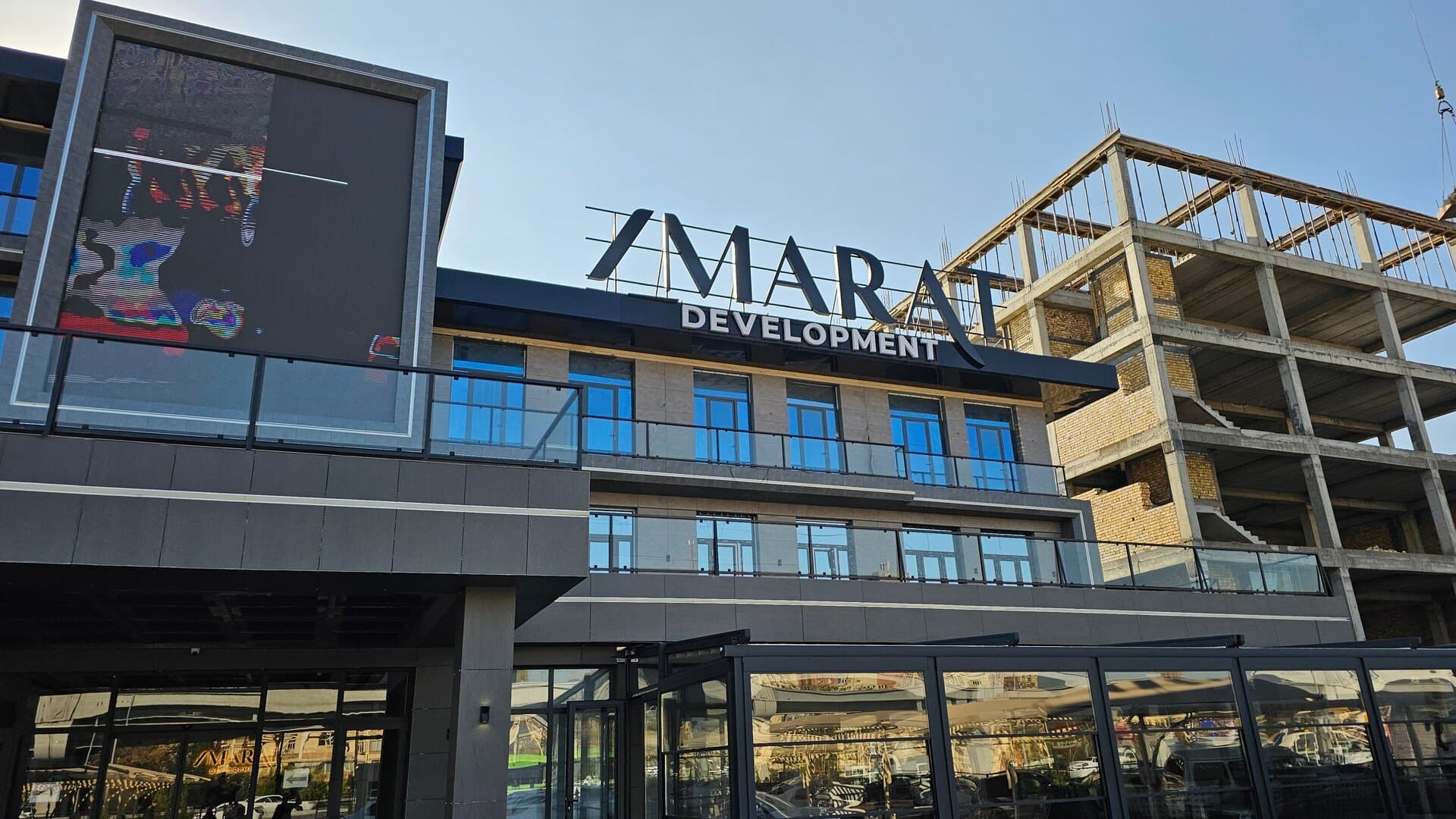
The Investigative Department of the Tashkent City Police Department (GUVD) has opened a criminal case against the leadership of the construction company Imarat Development LLC, whose office is located on Buyuk Avlod street in the capital's Sergeli district. This was reported by the press service of the city GUVD; the opening of the case on November 1 was reported by UzNews.uz and Kun.uz.
The essence of buyers' complaints
According to the department, a group of citizens turned to law enforcement agencies, expressing distrust of the developer's activities and asking that measures be taken against its leadership. During a pre-investigation check, it was established that the multi-story residential buildings whose construction was promised in Tashkent are in fact located on the territory of the Kuyichirchik district of Tashkent region. Upon learning this, the clients demanded that the contracts be terminated and the money paid for the apartments be refunded, but the company's leadership refused to make the payments.
Charges and oversight of the investigation
The case was opened on the grounds of two articles of the Criminal Code of the Republic of Uzbekistan: Article 168 (Fraud) and Article 192-11 (Abuse of authority by officials of a non-state commercial or other non-state organization). The head of the Tashkent GUVD and the prosecutor's office have placed the investigative actions under special control; the department emphasized that a lawful decision will be ensured based on the results of the investigation.
Background of the scandal
As UzNews.uz notes, the scandal around the developer entered the public sphere before the official reaction of law enforcement agencies: local media published reports featuring dozens of affected citizens who had been unable for months to get their money back. According to these publications, sales were conducted through large-scale advertising on social media involving popular bloggers; buyers were promised affordable housing in installments with no down payment or a minimal entry threshold, with the residential complexes presented as properties in the Sergeli and Yangihayot districts of Tashkent (landmark — the Istiklol neighborhood). People counted on the capital's infrastructure and city residence registration, but after signing contracts and paying large sums it turned out that the plots legally belong to Tashkent region.
Other customer complaints
In addition to the location switch, buyers, according to the outlet, also faced a lack of construction progress — work on the sites of the promised complexes proceeded extremely slowly or remained at the excavation stage; doubts about whether the developer had a full package of permits and whether the properties were registered in the unified electronic registry; as well as obstacles to getting their money back: upon contract termination the company withheld fines and penalties, issued guarantee letters with constantly shifting payment deadlines, and then stopped returning the money, citing financial difficulties. Regular gatherings of disgruntled citizens outside the head office and the media resonance, according to UzNews.uz, served as the impetus for a GUVD check and the subsequent opening of the case.