The key facts
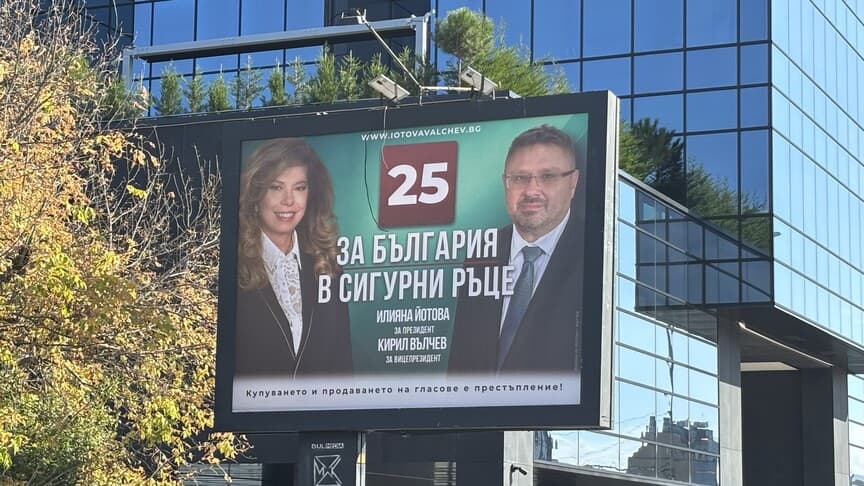
- The second round features acting President Iliana Yotova (34.8%) and Andrey Gyurov (32%)
- First-round turnout was about 22.5%, a record low for post-communist Bulgaria
- The election takes place amid a prolonged political crisis: since April 2021 the country has held eight parliamentary elections
Second round after record-low turnout
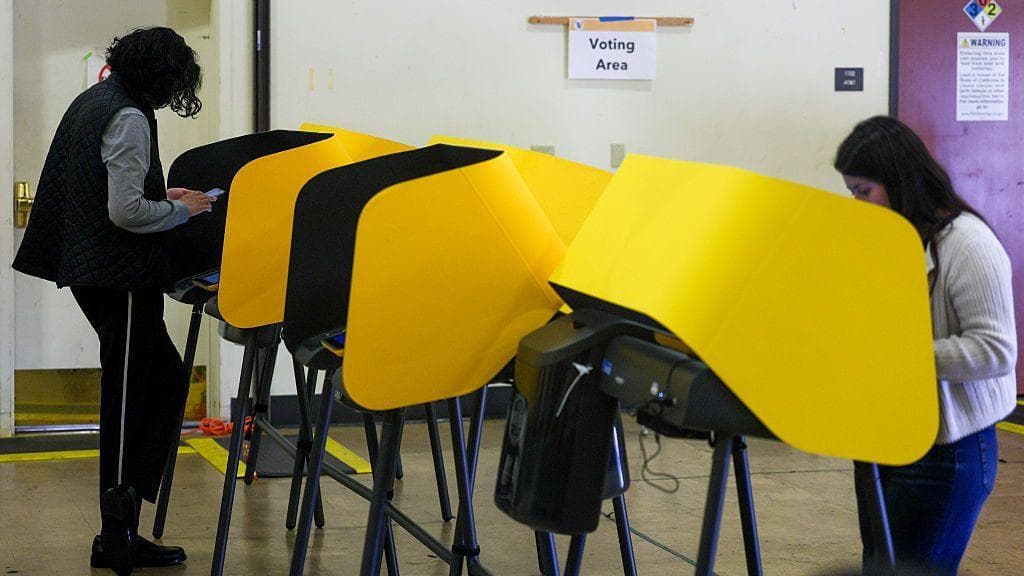
Residents of Bulgaria will return to polling stations on Sunday to choose a president in a second round. None of the candidates managed to win in the first round on October 25: acting President Iliana Yotova and her running mate Kiril Valchev received 34.8% of the vote, while former caretaker Prime Minister Andrey Gyurov, running with Georgi Kandev, received 32%, according to the Central Election Commission. A total of 27 candidates took part in the first round. Turnout was around 22.5% — the lowest figure in the country's post-communist history, Anadolu reports.
Election rules and context
Under Bulgarian election rules, to win in the first round a candidate must receive more than half of valid votes with turnout exceeding 50% of registered voters; since these conditions were not met, the two front-runners advanced to a second round. Polling stations will open at 7:00 and close at 20:00 local time.
Campaign amid a prolonged crisis
The vote is taking place amid prolonged political instability: since April 2021, Bulgaria has held eight parliamentary elections, seven of them early. The reason was disagreements among parties over coalition agreements, as a result of which attempts to form permanent governments gave way to caretaker cabinets and new elections. In the latest parliamentary elections in April, the Progressive Bulgaria party of former President Rumen Radev won 131 of 240 seats in the National Assembly, securing an absolute majority.
Candidates and stakes
Yotova, who previously served as vice president under Radev, took over as head of state after his resignation in January. She is backed by Progressive Bulgaria, and if she wins she will receive a full presidential mandate and become the first elected female president of Bulgaria. The president represents the country, serves as commander-in-chief of the armed forces, and holds veto power over legislation. Gyurov is an economist and former deputy governor of the Bulgarian National Bank; he served as caretaker prime minister ahead of the April parliamentary elections and is supported by opposition parties. The campaign featured discussions of the country's foreign policy and its relations with Russia, Ukraine, and Western allies.