The key facts
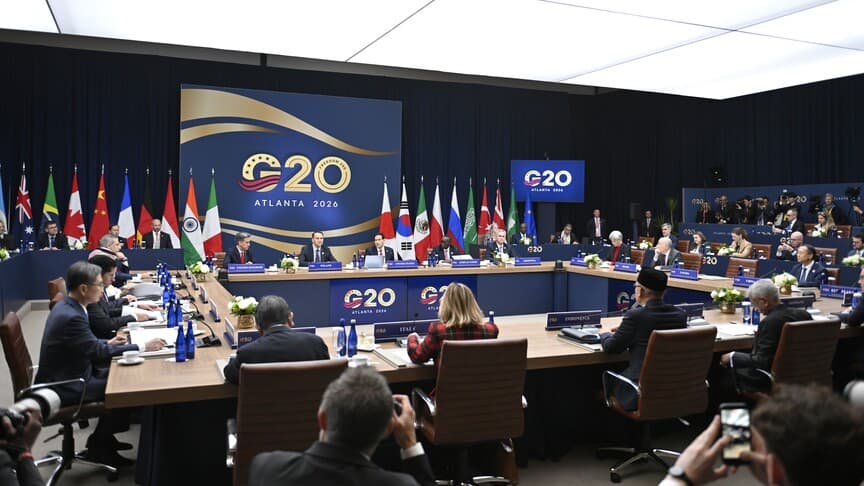
- The two-day G20 Foreign Ministers' meeting in Atlanta, chaired by US Secretary of State Marco Rubio, prepared for the G20 leaders' summit in Miami in December.
- Fidan highlighted bottlenecks in the Black Sea, Persian Gulf, and Red Sea as factors disrupting global trade.
- Participants generally agreed on the need to continue diplomacy, including regarding US-Iran negotiations.
Atlanta meeting and its agenda
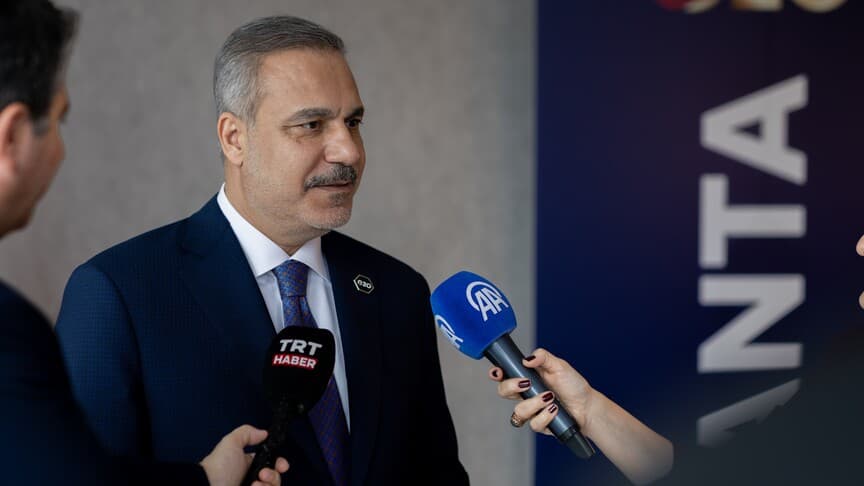
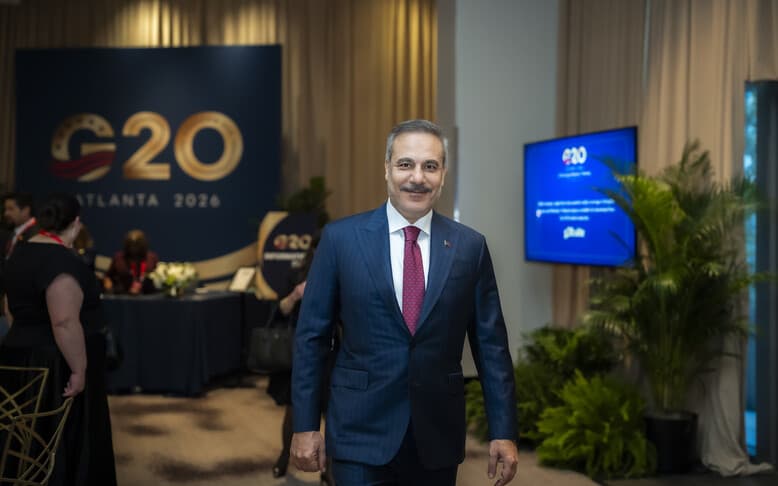
Turkish Foreign Minister Hakan Fidan stated on Saturday that Ankara presented practical proposals for resolving global crises and strengthening international cooperation at the G20 Foreign Ministers' meeting in Atlanta, USA. He characterized Turkey's foreign policy as constructive and problem-solving oriented. Fidan shared these remarks in the margins of the event with Anadolu and TRT journalists.
Crises, energy, and supply chains
The two-day meeting, led by US Secretary of State Marco Rubio, was part of preparations for the G20 leaders' summit scheduled for December in Miami. Fidan called it particularly timely amid a growing number of global crises, including disruptions in energy and increasing pressure on international supply chains. Ministers held three main sessions focusing on global crises, energy security, and supply chain disruptions.
Black Sea and heated discussions
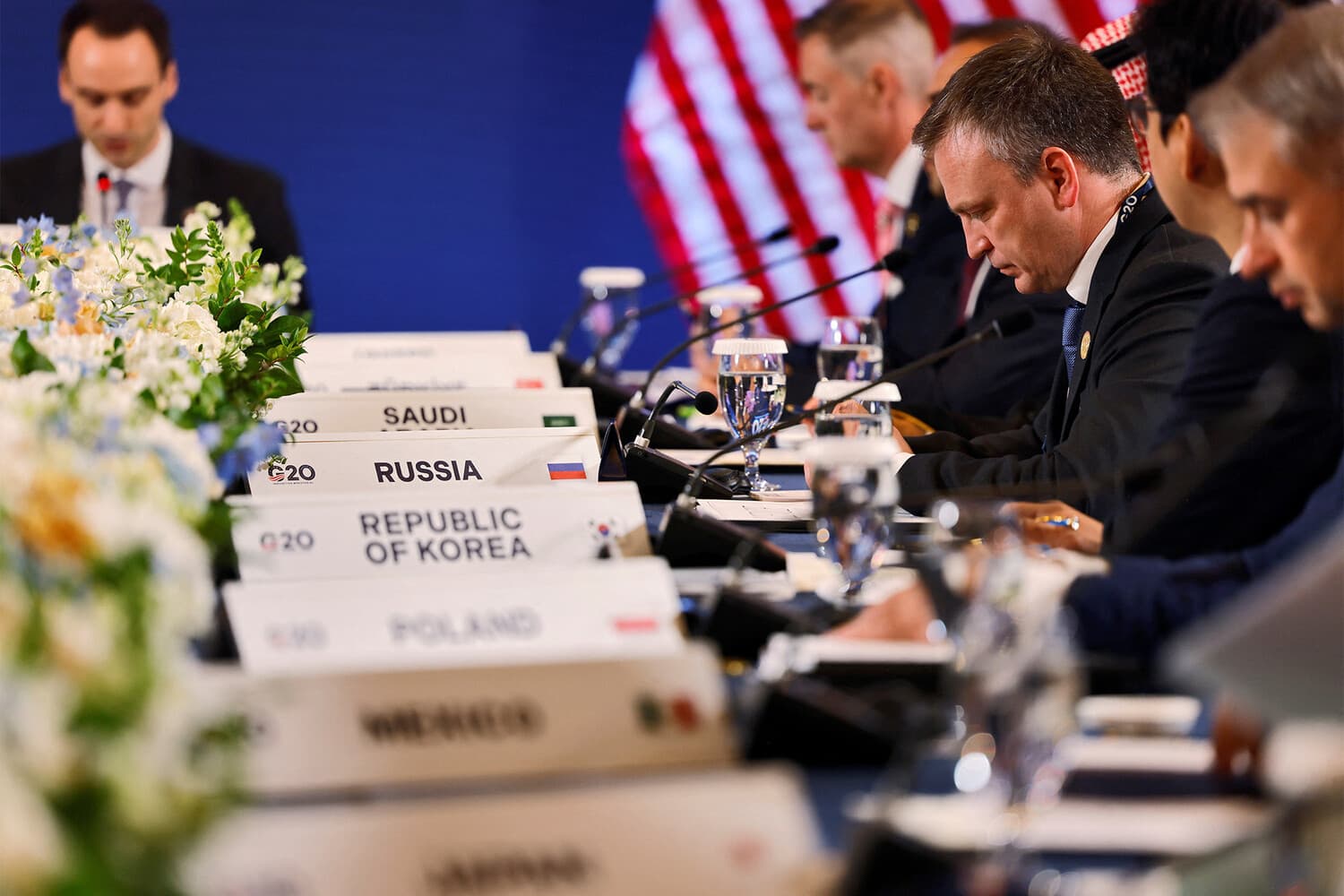
Fidan pointed to growing bottlenecks in the Black Sea, Persian Gulf, and Red Sea, warning that disruptions on these strategically important routes seriously impact global trade. 'Global supply chains are severely disrupted. We discussed how we could fix or resolve these issues and what the international community should do,' Anadolu quoted him. He acknowledged that discussions involving Russia and countries supporting Ukraine 'are not always simple,' especially regarding the situation in the Black Sea and the energy consequences of the Russia-Ukraine war, but emphasized their necessity: countries must clearly state their positions and seek solutions.
Ankara's position and bilateral contacts
According to the minister, Turkey aims to stand out not by being 'different for the sake of difference' but by making a useful contribution: Ankara offers both practical solutions to current problems and systemic steps to prevent such crises from recurring. 'Although discussions were sometimes heated, they were substantive,' said Fidan. Alongside the main sessions, he held bilateral meetings with representatives of more than half of the participants, including Rubio, as well as officials from Russia, the UK, France, Mexico, Germany, the EU, and Saudi Arabia; global challenges and regional development were discussed.
Iran and consensus on diplomacy
Among urgent topics, Fidan highlighted ongoing diplomatic contacts between the US and Iran: countries are monitoring the progress of negotiations and whether a new military confrontation can be avoided. In his assessment, participants generally share the view that a new conflict should be prevented and that diplomacy must be given a chance: 'Almost all countries are at the negotiating table. They reached a consensus on preventing further conflict.' The same diplomatic approach, he added, should be maintained in resolving tensions in the Black Sea and countering Israel's 'expansionism,' as cited by Anadolu.