The key facts
- Trump has set no deadline for the Qatar-led talks with Iran; no decision on new strikes has been made
- Rubio said the US shoots down Iranian drones and missiles targeting ships almost daily
- The G20 meeting ended without a joint communiqué: the group photo was canceled due to Lavrov's presence
Diplomacy without deadlines, the military option remains on the table
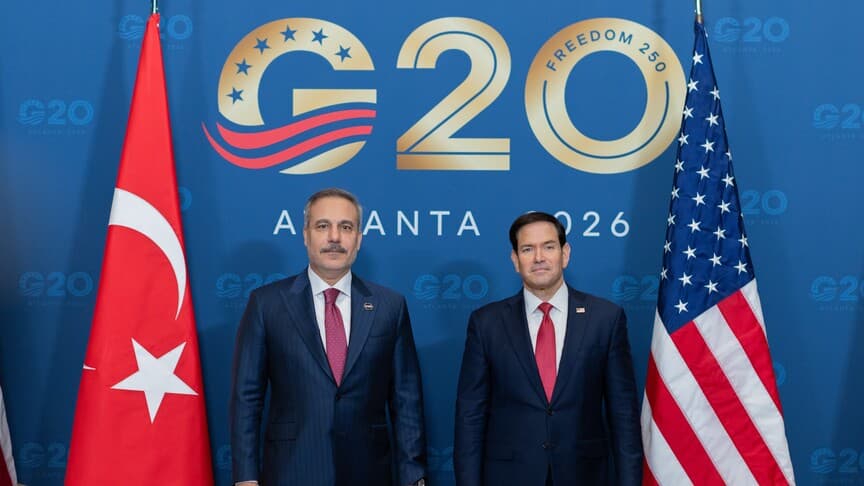
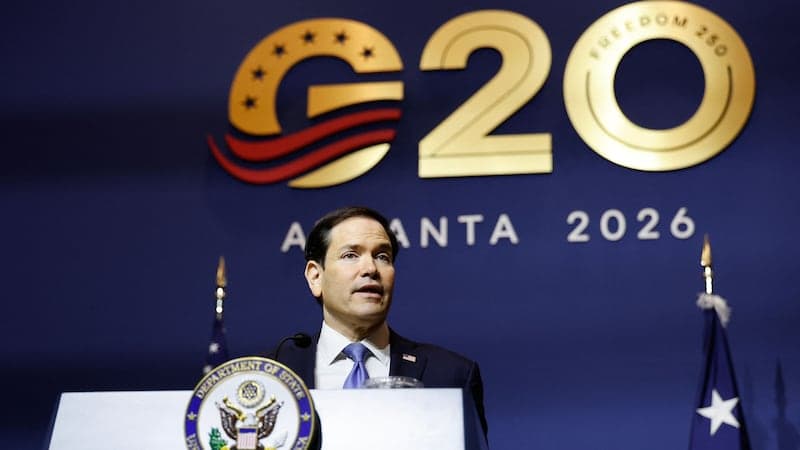
US Secretary of State Marco Rubio said on Saturday, October 31, following the G20 foreign ministers' meeting in Atlanta, that President Donald Trump has set no deadlines for diplomatic efforts to resolve the conflict with Iran, and declined to rule out a resumption of military strikes on Tehran. This was reported by The National.
Conditions and military readiness
According to Rubio, he does not know whether the Qatar-mediated talks have a specific timeline, but Washington is open to a diplomatic solution — provided that any agreement does not jeopardize US national security and addresses Washington's key concerns. Asked whether the administration is confident that new strikes would be short and successful without an Iranian response, Rubio said that Trump has not made a decision on further military action, but added that the United States, as the most powerful military power, has 'everything needed for success,' while noting that 'the president prefers to resolve the issue diplomatically.'
Threats to the Gulf and the burden of maritime security
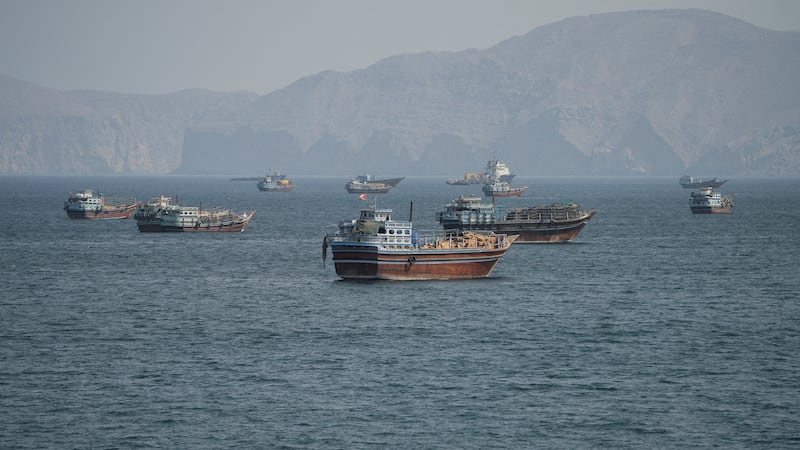
Rubio also accused Tehran of pressuring the United States through threats against its neighbors: in his words, the Iranian regime is effectively saying that if it 'does not get what it wants,' it will blow up ships and destroy the energy infrastructure of its neighbors across the region. Responding to a question from The National about security guarantees for Saudi Arabia and other Gulf partners, he said that American forces are already protecting regional shipping and airspace and shoot down Iranian drones and missiles targeting vessels almost daily; he also reaffirmed defense commitments to Riyadh, while declining to specify whether US forces would join a possible Saudi offensive operation against the Yemeni Houthis. Separately, he complained that international support for maritime security in the Strait of Hormuz remains limited despite Trump's repeated calls, and that the burden of protecting ships falls primarily on the United States.
Divisions at the G20
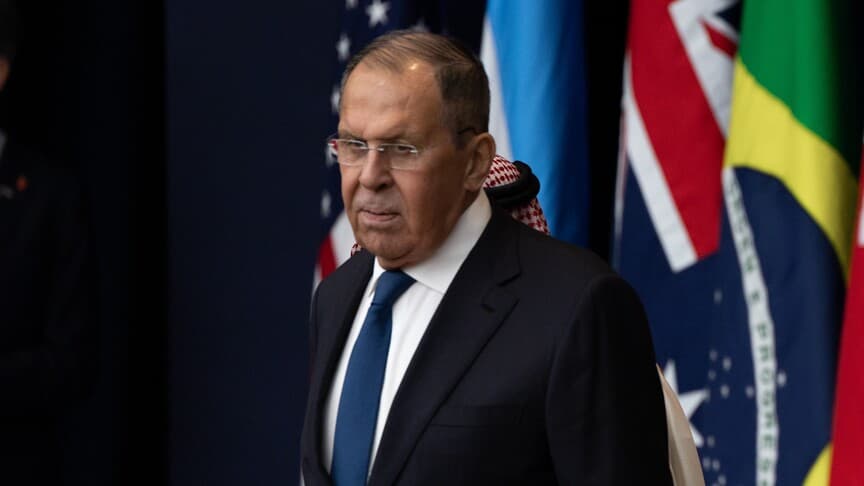
The meeting in Atlanta, where the United States holds the G20 presidency this year, exposed disagreements: the planned group photo was canceled because a number of Western participants did not want to appear next to the Russian foreign minister Sergey Lavrov, and a final joint communiqué could not be adopted — Rubio issued only a chairman's statement on the importance of energy security and freedom of navigation, without mentioning Russia or Ukraine even in the section on geopolitical tensions. EU High Representative Kaja Kallas called the invitation of Vladimir Putin to the leaders' summit in Florida in December a risk of 'normalizing war crimes' in Ukraine, while Rubio said that resolving the war in Ukraine peacefully requires negotiating with both sides.