The key facts
- Putin confirmed that Kenya has been placed in the category of countries that are not a source of recruitment into the Russian army
- A military attaché has been appointed to coordinate repatriation and compensation for recruited Kenyans
- Five cooperation documents were signed; scholarships for Kenyan students are planned to increase from 70 to 300
Kremlin talks and the recruitment issue
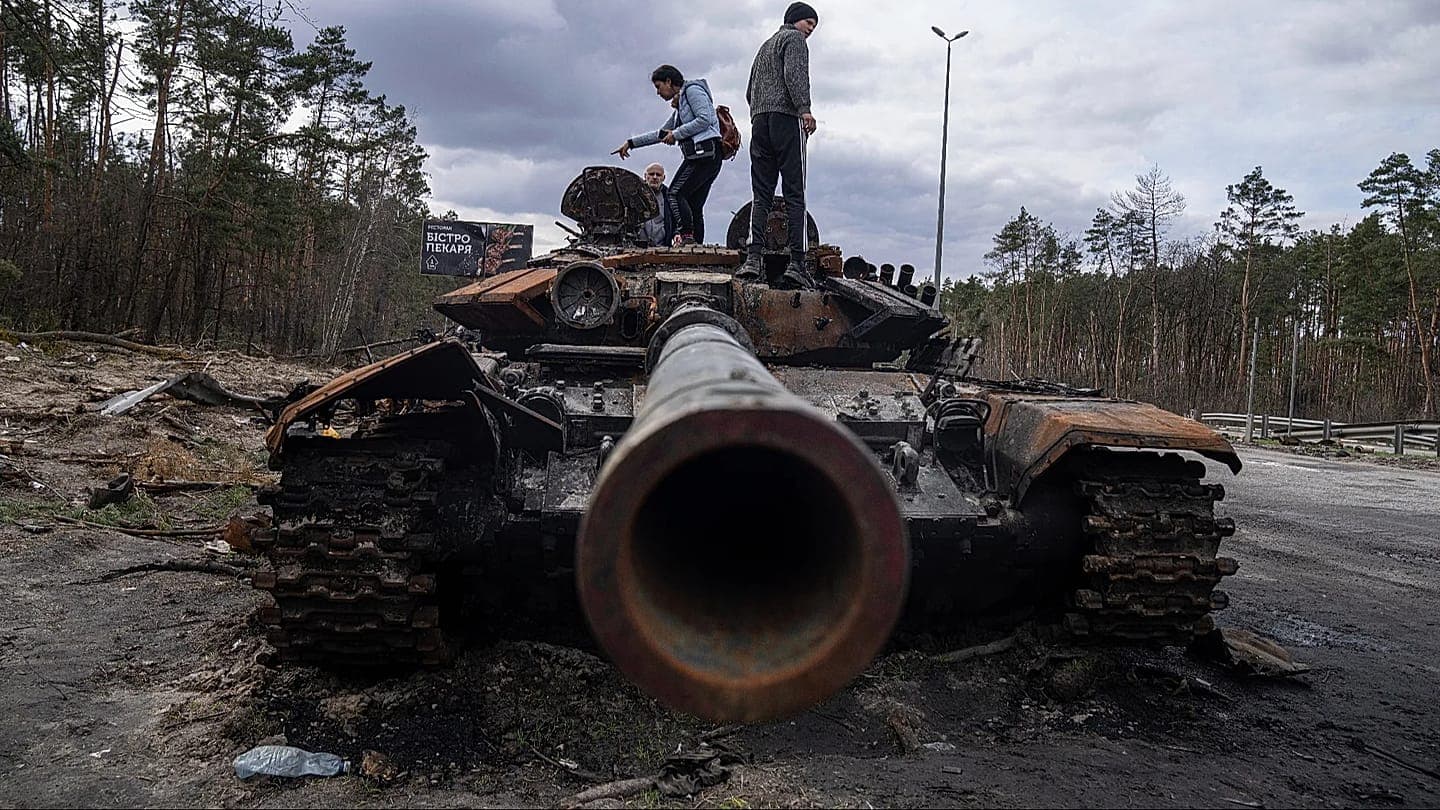
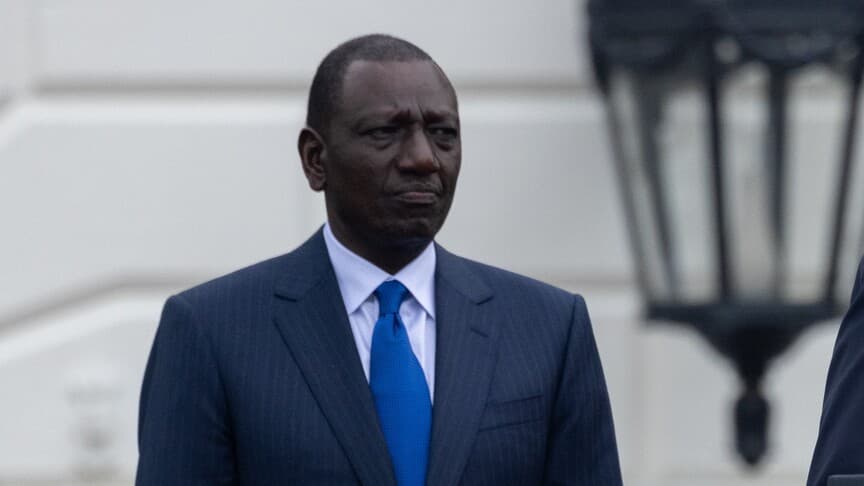
Kenyan President William Ruto held talks with Russian President Vladimir Putin at the Kremlin on Friday and, according to him, secured a commitment to stop the recruitment of Kenyans into the Russian army. 'I thanked President Putin for confirming that Kenyans will no longer be enrolled in the Russian army, as Kenya has been placed in the category of countries that are not a source of recruitment into Russian military service,' his statement was quoted as saying by the Anadolu agency. The agreement responds to concerns about Kenyans serving in Russian forces amid the war with Ukraine.
Repatriation and practical steps
To resolve the fate of those already recruited, Ruto appointed a military attaché at the Kenyan embassy in Moscow: he has been tasked with coordinating with the Russian Ministry of Defense the repatriation and compensation of Kenyans recruited for military purposes, as well as facilitating their safe return home. The meeting took place after the Russia–Africa summit, at which Moscow sought to strengthen its diplomatic and economic ties on the continent.
What else the sides agreed to discuss
The sides agreed to begin negotiations on a labor agreement that would allow Kenyans to live and work in Russia. Also discussed was an increase in the number of Russian scholarships for Kenyan students from 70 to 300 — in fields such as healthcare, artificial intelligence, aviation, technology, and cybersecurity. According to Ruto, Putin promised support for expanding the UN office in Nairobi — the organization's only headquarters in the developing world.
Documents signed
Kenya and Russia signed five cooperation documents: they cover economic relations, employment promotion, labor inspection, transport, diplomatic training, and a visa-free regime for holders of diplomatic and service passports. The agreements provide for the creation of an intergovernmental commission to coordinate economic cooperation. Ruto also invited Putin to visit Kenya, as the two governments seek to deepen diplomatic contacts.