The key facts
- Lavrov stated that Poland does not qualify for the G20 by the size of its economy and is not needed as 'yet another European voice.'
- According to him, the interests of the European Union and NATO in the association are already represented by France, Germany, the United Kingdom, and Kaja Kallas.
- The minister also claimed that many G20 participants criticized Poland's invitation in informal conversations and advocated for the return of South Africa.
Statement following the G20 meeting
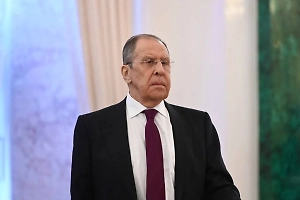
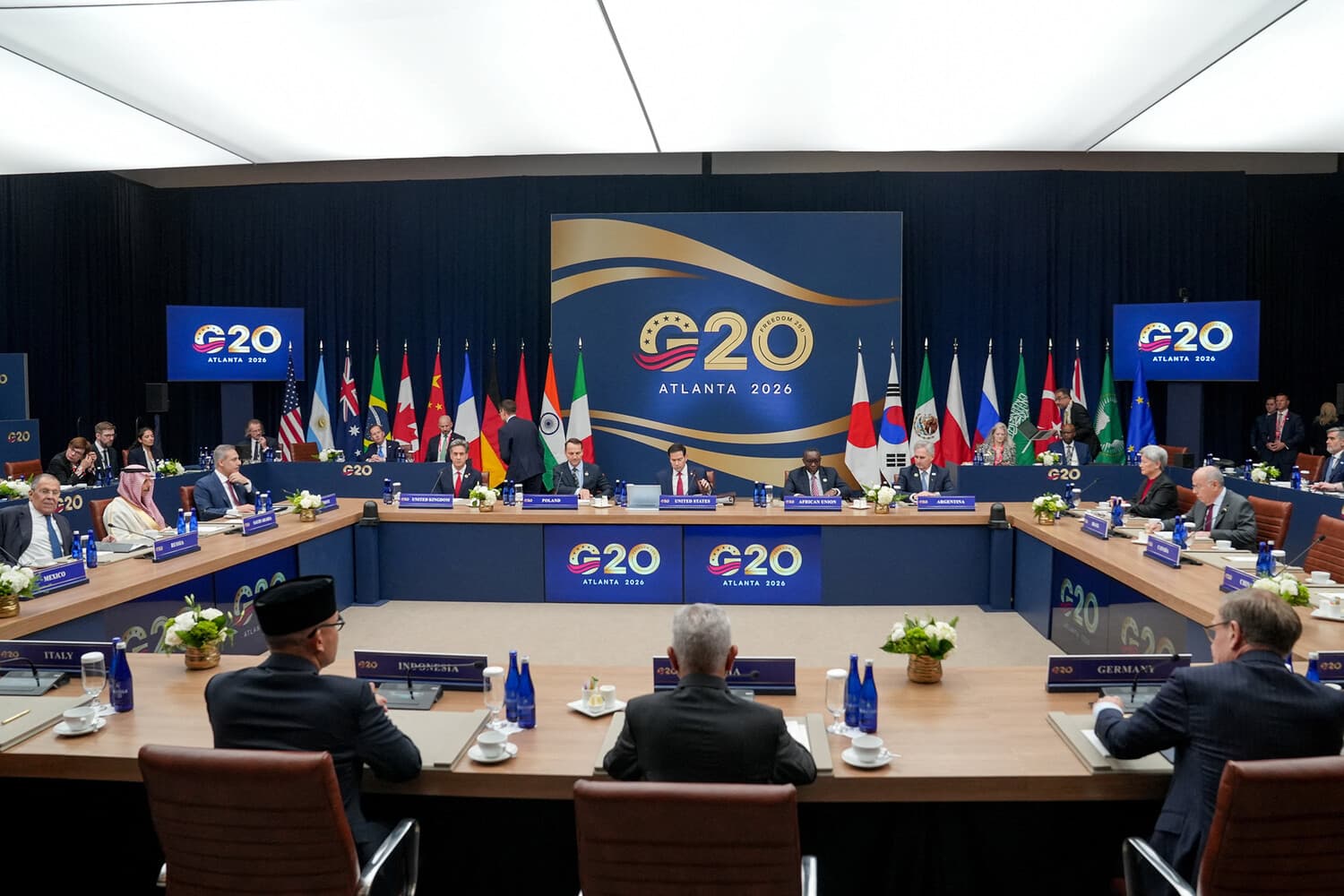
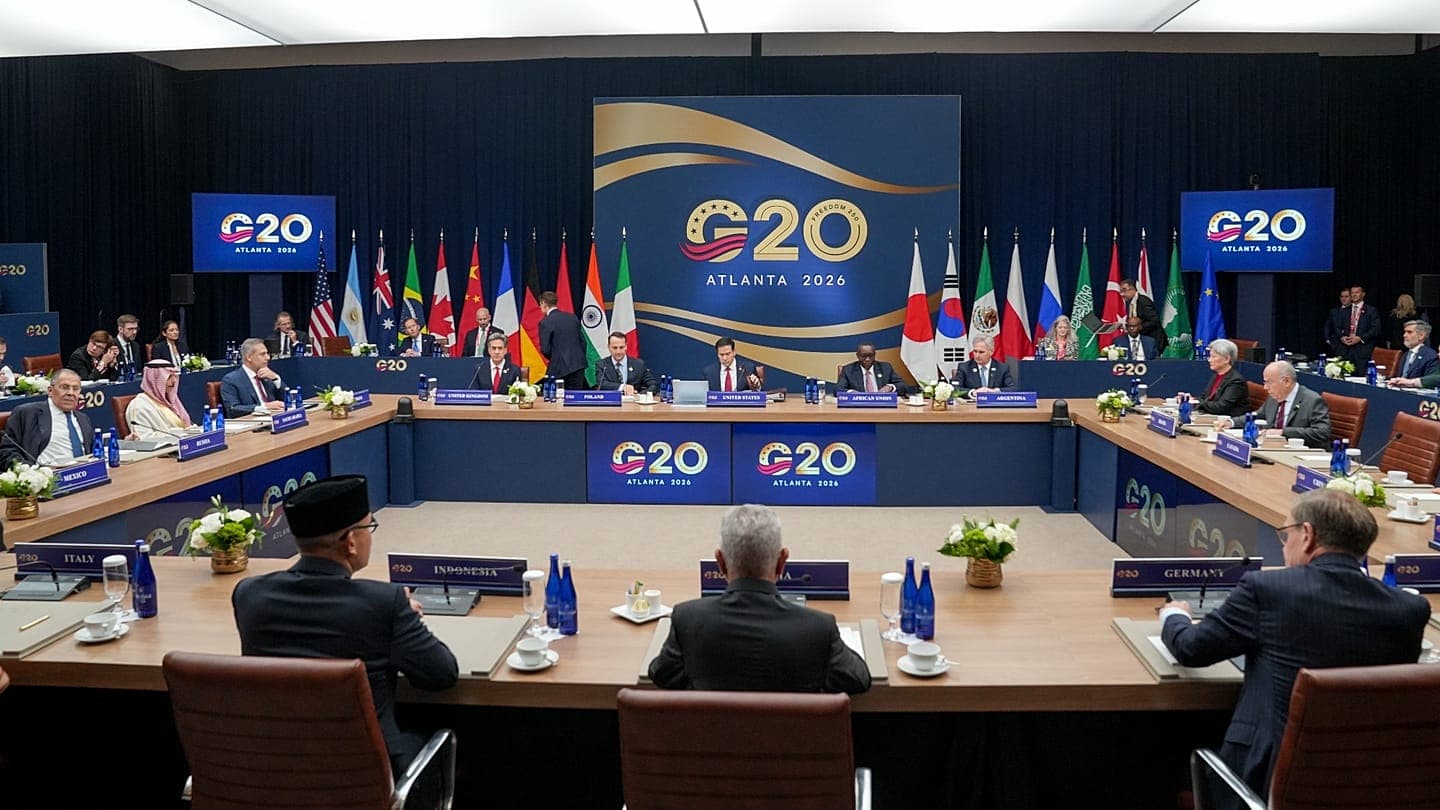
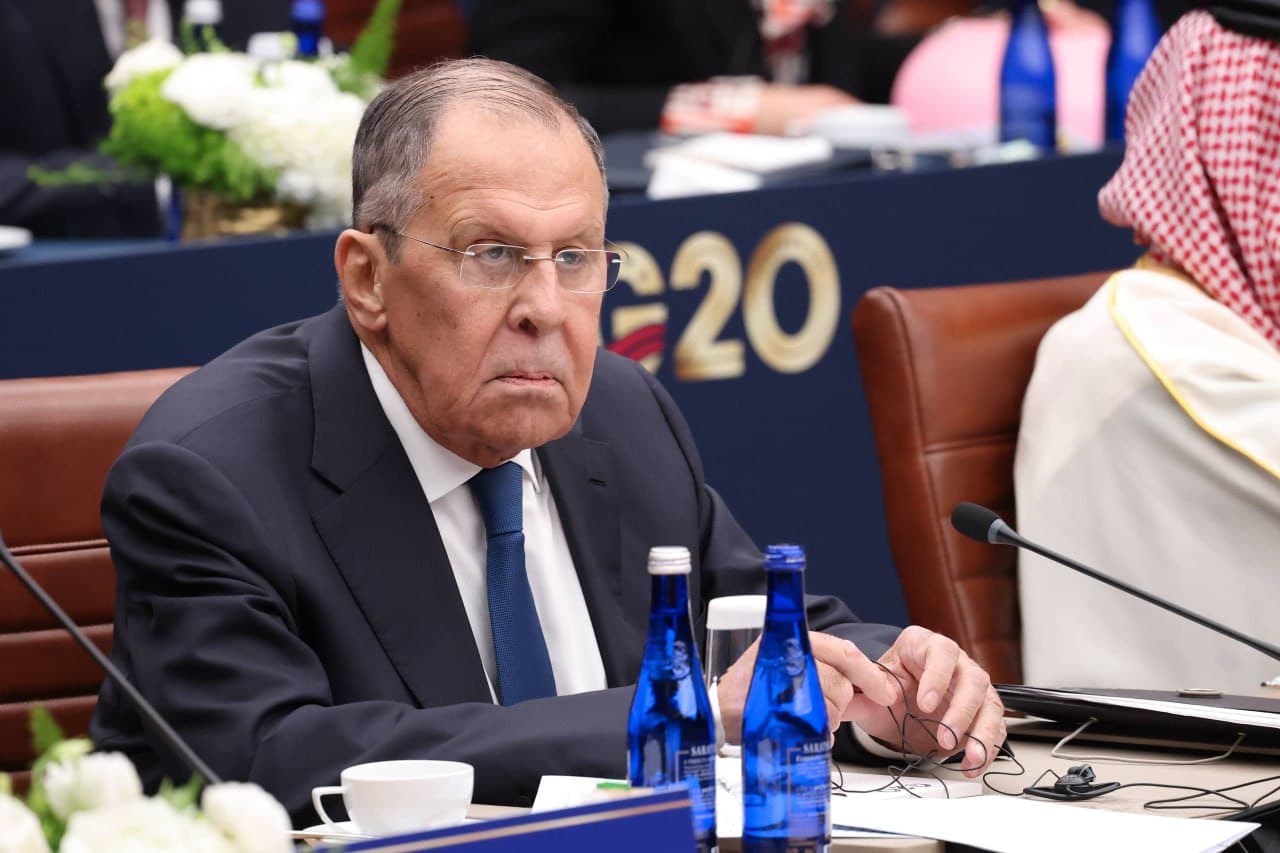
Russian Foreign Minister Sergey Lavrov, at a press conference following the meeting of G20 foreign ministers, criticized Poland's invitation to join the association, as reported by Life.ru. According to him, Poland 'adds nothing' to the work of the G20, and its presence does not serve the goal of expanding Europe's representation.
The minister's arguments
Lavrov gave two arguments. First, Poland, as he stated, 'does not fall into this category of countries by the size of its economy.' Second, Warsaw positions itself as a representative of Eastern Europe, but, in the minister's view, no such concept exists — there is the European Union and NATO. 'The policies of these two associations are already sufficiently represented by those who have been in the G20 from the very beginning — the French, the Germans, and the British. And, of course, there is the high-ranking representative [head of European diplomacy] Kaja Kallas. Therefore, we see no need to add yet another European voice. Especially one that is far from constructive,' Life.ru quotes the minister as saying.
Reaction of other participants and context
According to Lavrov, many G20 participants also criticized the decision to invite Poland in informal conversations, called this step a mistake, and advocated for the return of South Africa. The minister made these claims citing informal conversations; the publication contains no independent confirmation. Earlier, the outlet notes, Lavrov backed the US position on the need to depoliticize discussions within the G20: Moscow approves of the American side's desire to return the association to its original economic agenda and reduce the influence of political disagreements on its work.