The key facts
- Kärcher chief Hartmut Jenner: China has become an aggressive technological competitor, not just a cheap manufacturer
- He called Germany's 1.3% GDP growth 'borrowed growth' driven by state defense orders, subsidies and debt financing
- Kärcher: revenue of almost €3.5 billion in 2025, 86% abroad, 17,000 employees, 170 companies in 87 countries
What the head of Kärcher said
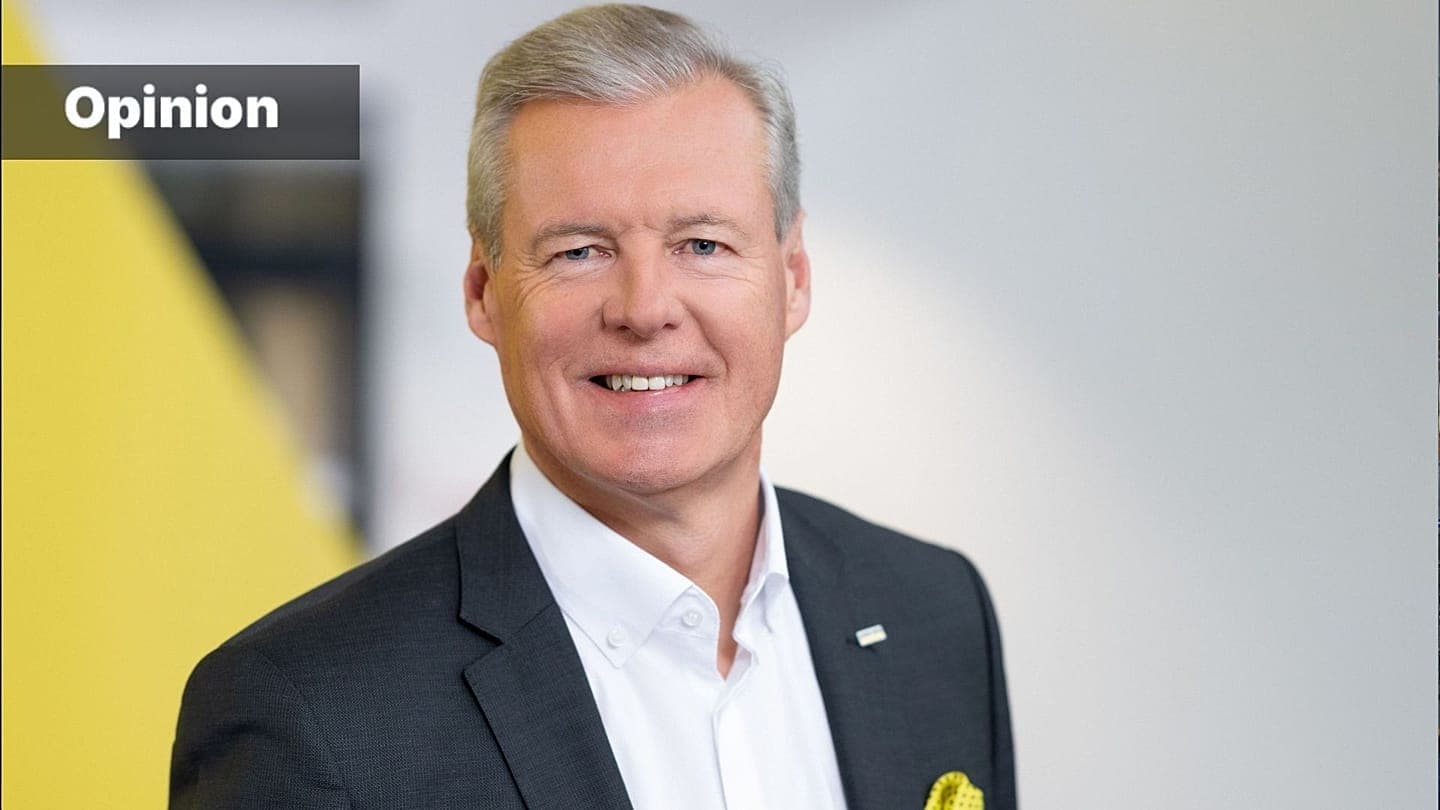
The CEO of the German cleaning equipment manufacturer Alfred Kärcher Hartmut Jenner published a column in Euronews, in which he describes the situation for the European economy as a 'perfect storm': unpredictable US trade policy with tariff threats, China, which has transformed from a cheap manufacturer into a 'highly aggressive technological competitor', and domestic regulatory pressure from Brussels to Berlin. In his view, China's technological superiority is largely the result of a deliberate state industrial policy — massive subsidies and a currency policy geared toward competitiveness — which creates market distortions and overcapacity.
Deindustrialization and 'borrowed growth'
Jenner argues that deindustrialization is not an abstract threat but an ongoing process: the loss of tens of thousands of industrial jobs, falling production volumes, and discussions about plant closures and relocating production in key German industries, including automotive. The recent forecast of 1.3% German GDP growth this year he called 'borrowed growth', artificially sustained by special state funds, defense contracts and subsidies, rather than a recovery of private investment. He attributes the weakness to 'reform fatigue' and the 'regulatory zeal' of government institutions.
Concrete proposals
Among Jenner's proposals are cutting bureaucracy, a cultural shift in the state apparatus toward 'digital intermediaries' and service partners for the economy with AI support, incentives for overtime work and flexible schedules, a revision of sick-pay rules, as well as a decisive EU trade policy that 'consistently punishes rule-breakers'. The key threshold, in his words, is the share of social security contributions: if it consistently exceeds the historically critical 40%, tax breaks and special funds remain 'paper measures'. He also warns that even innovative leaders will not withstand unfair competition and rising structural costs in the long term: expanding capacity and headcount in manufacturing in Germany is already economically unviable.
Context of the company's position
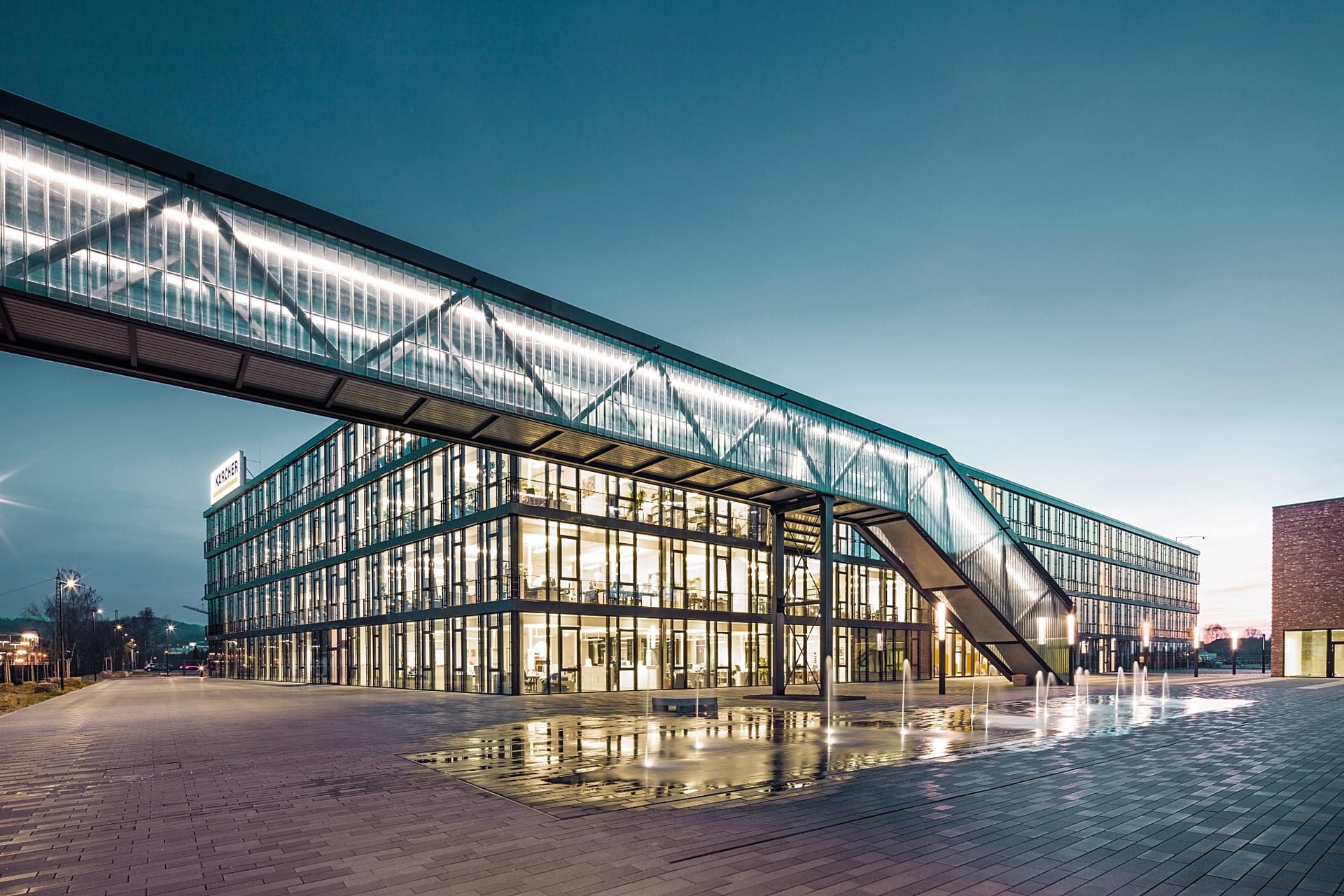
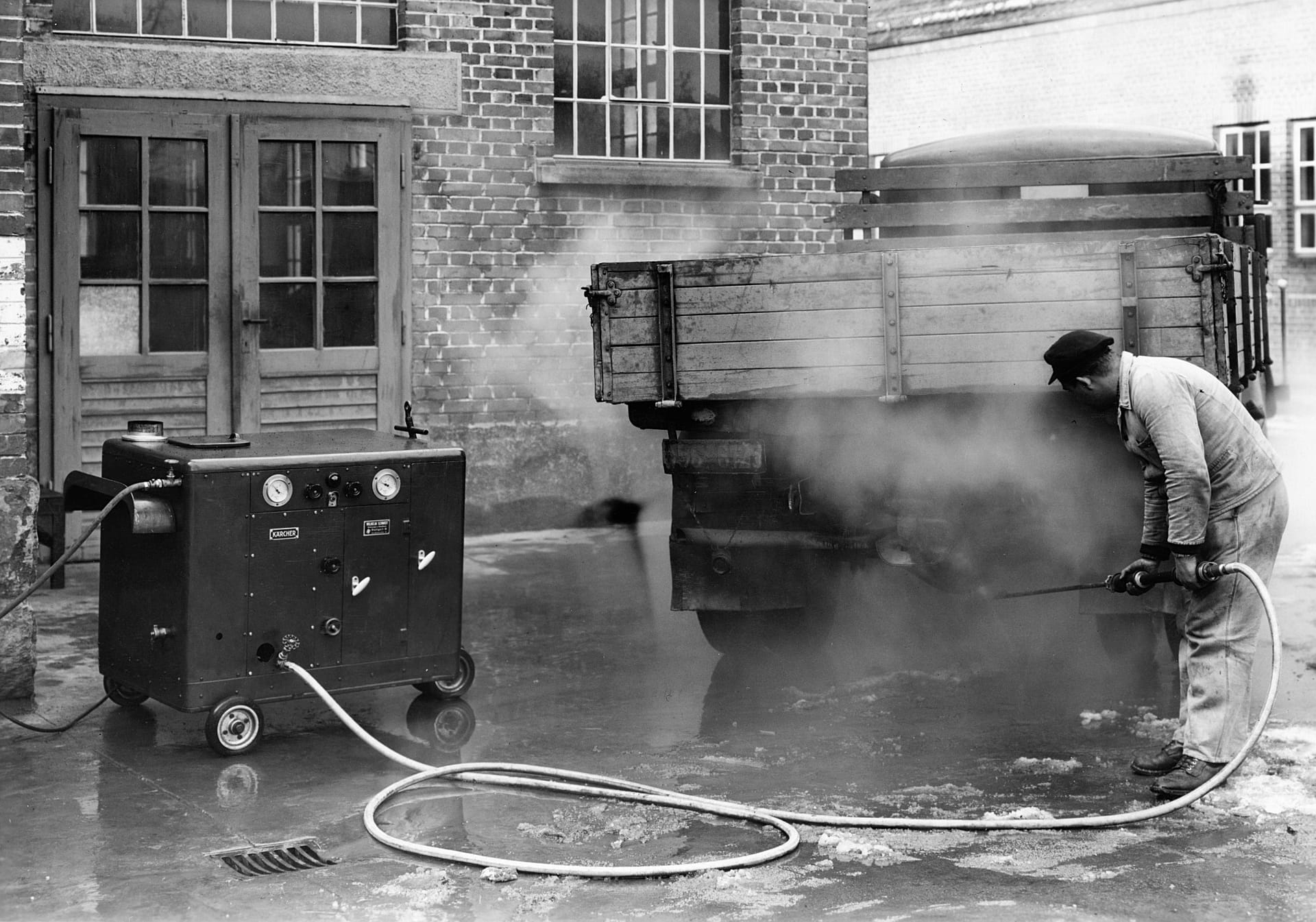
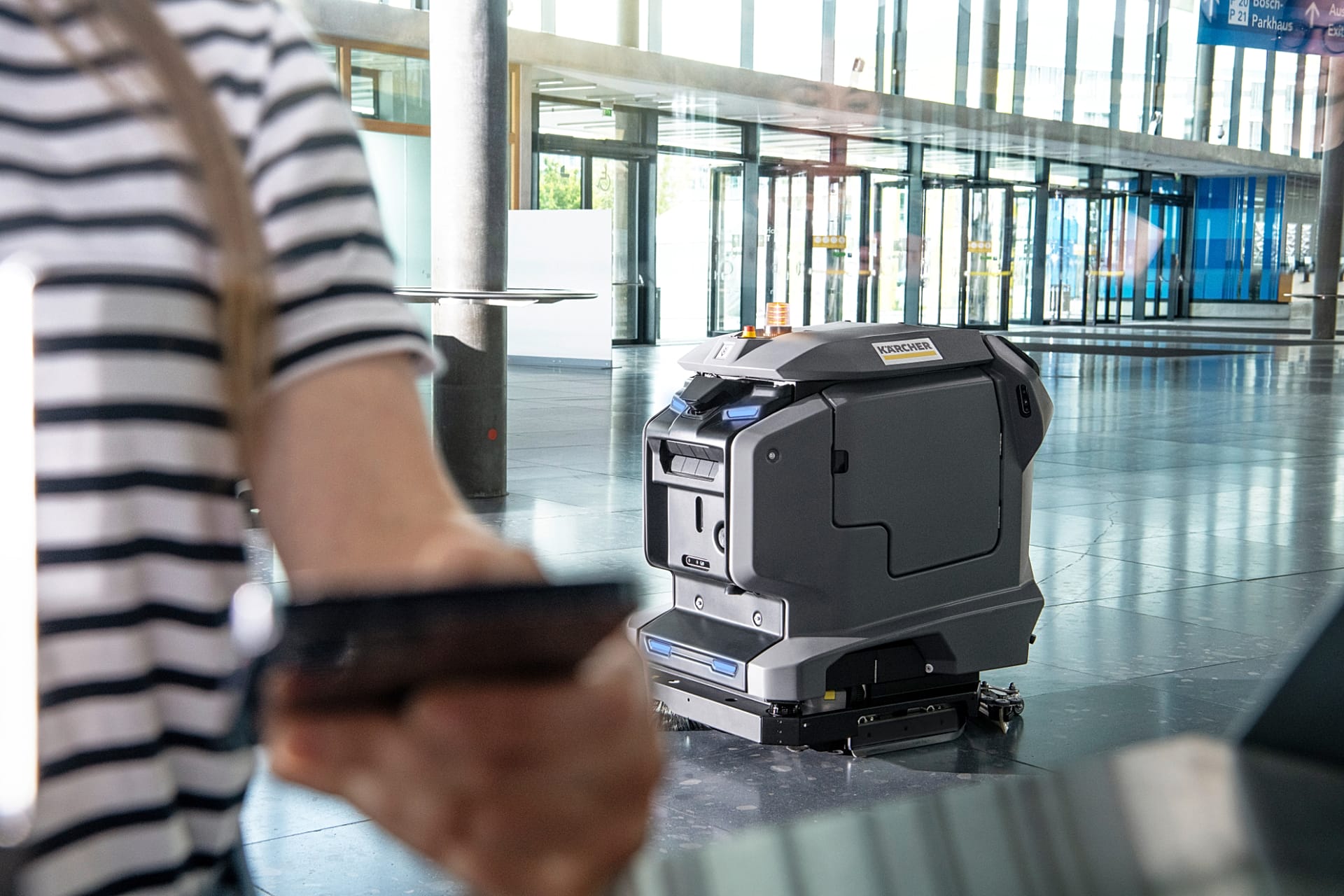
Kärcher itself, according to the column, has weathered turbulence steadily thanks to a balanced B2B/B2C model: the company was founded in 1935, in 2025 it generated almost €3.5 billion in revenue, 86% of which came from abroad, operates in 87 countries and employs 17,000 people. Jenner highlights investments in robotics for autonomous cleaning and battery technology, but notes that innovative leadership is not enough under deteriorating conditions. It should be borne in mind that this is the position of the head of a large export-oriented family business, not an independent economic analysis; the outlet publishes it as an opinion column.