The key facts
- The falconry season in Abu Dhabi runs from October 20 to January 31
- The falcon hunting season in Abu Dhabi runs from October 20 to January 31
- 823 permits have been issued since the start of the season; last season there were 1,525, and the agency expects growth
- Hunting is allowed only on captive-bred houbara bustards; licences are issued through the Tamm app
The season is open
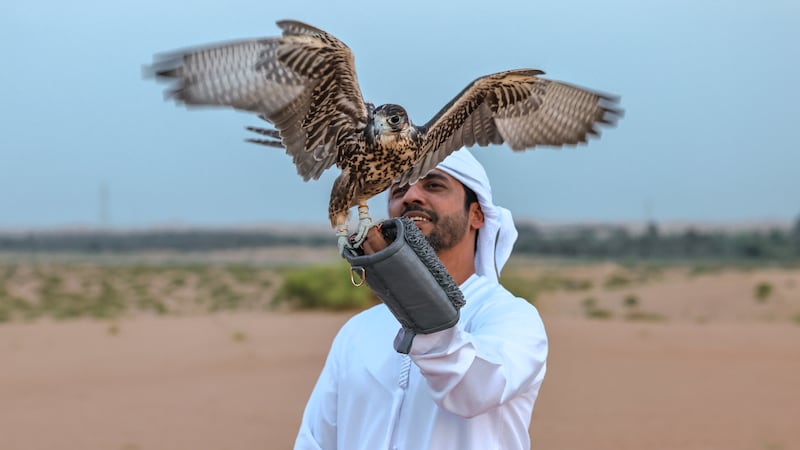
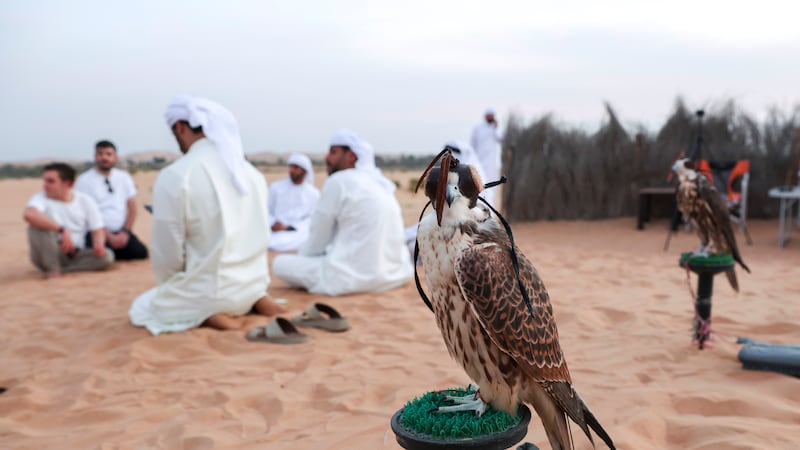
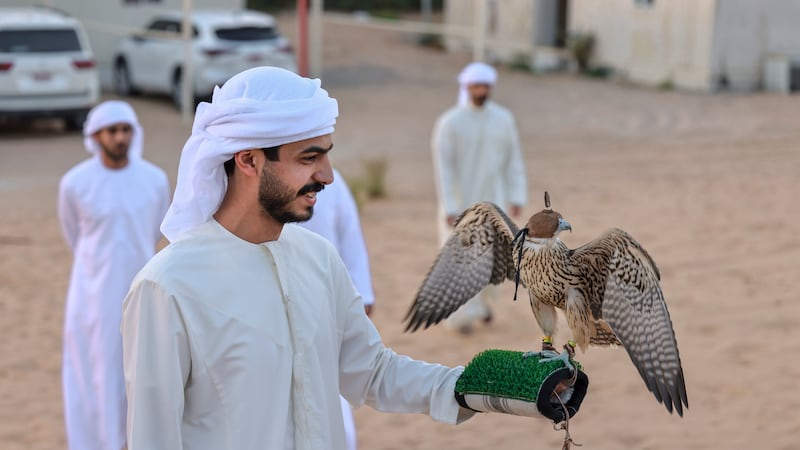
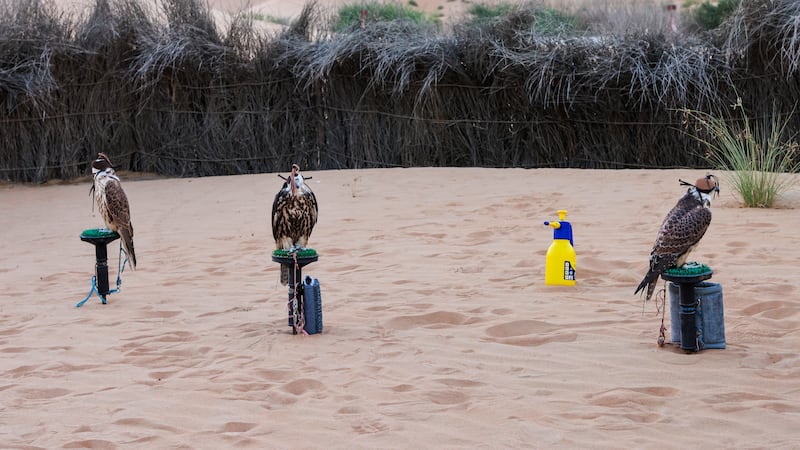
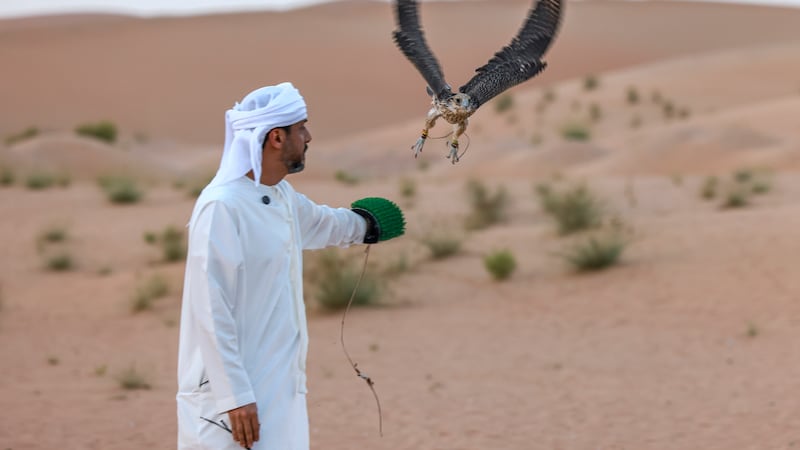
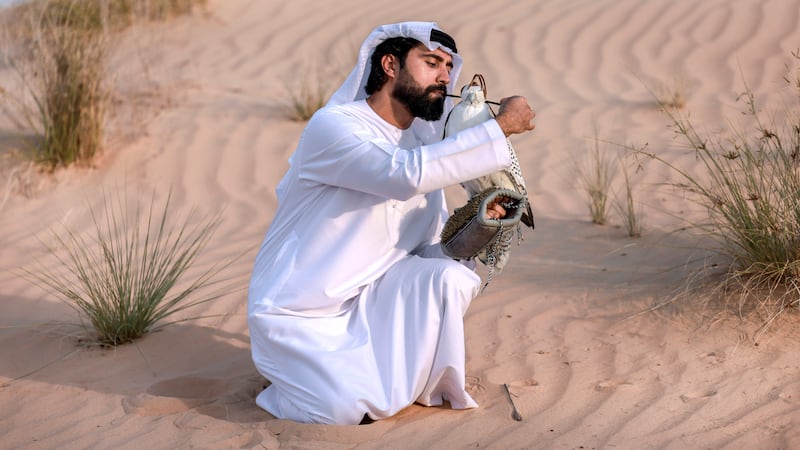
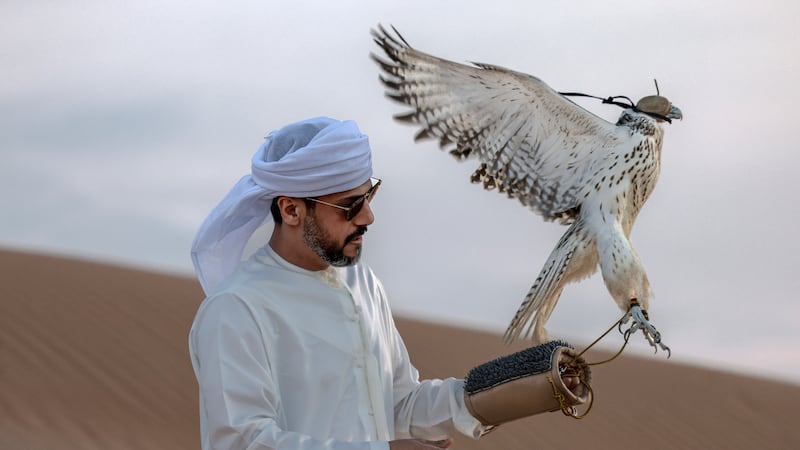
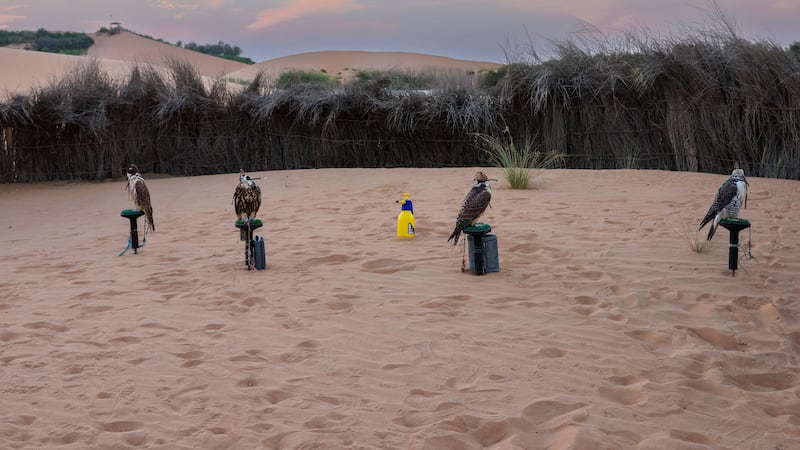
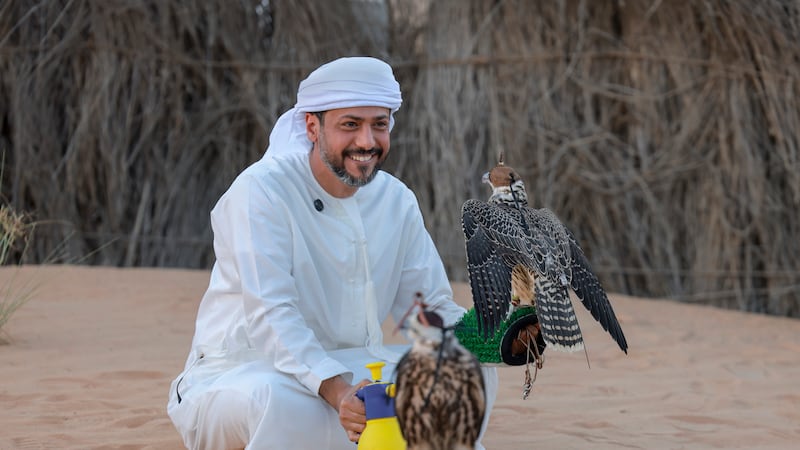
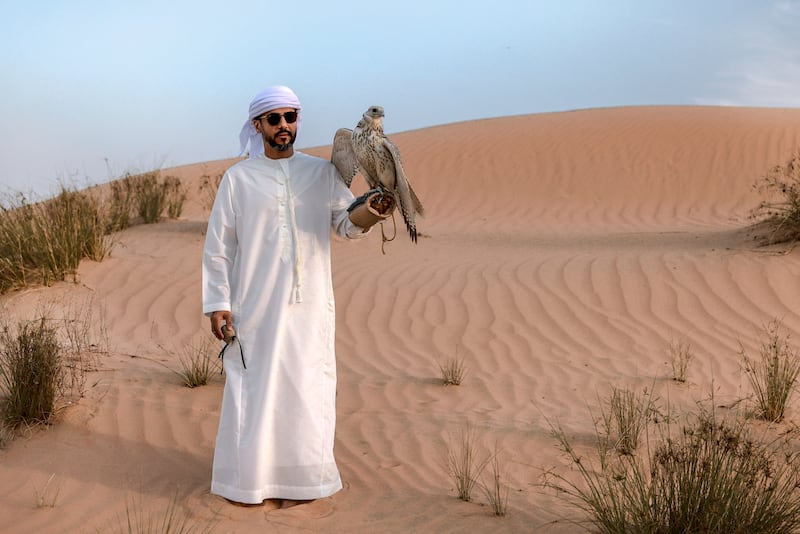
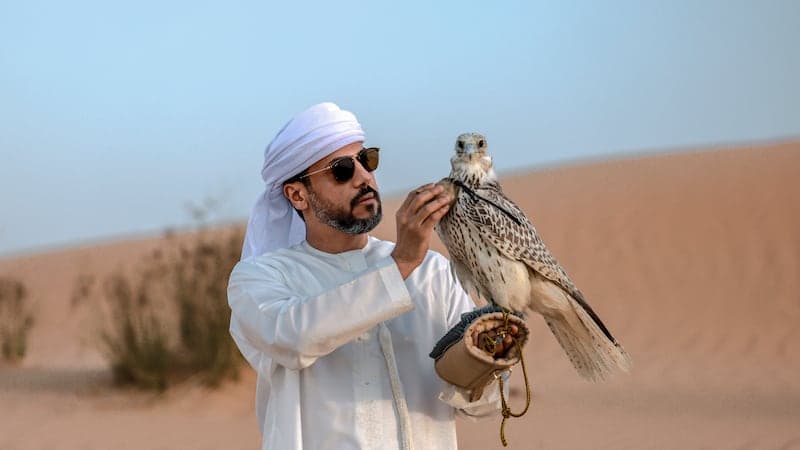
The Environment Agency – Abu Dhabi has declared October 20 the start of the falconry season in the emirate; it will last until January 31. The National reports this after attending a training outing of falconers in the desert near Remah in the Al Ain region. The season dates depend on weather conditions, including rains, and on migratory birds.
How the hunt works
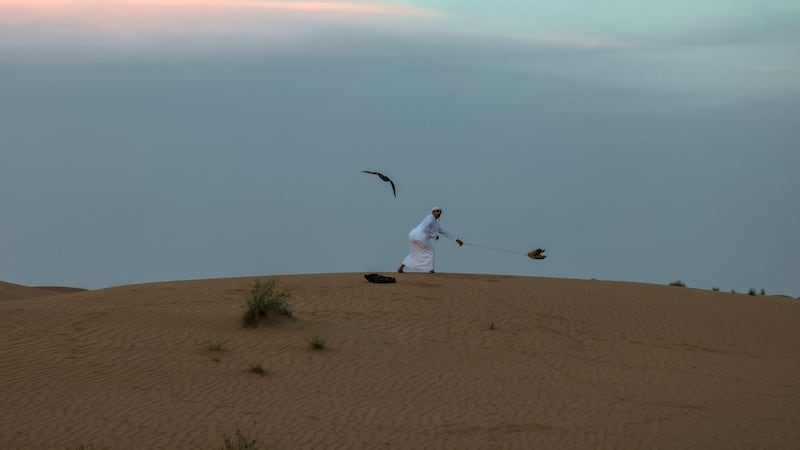
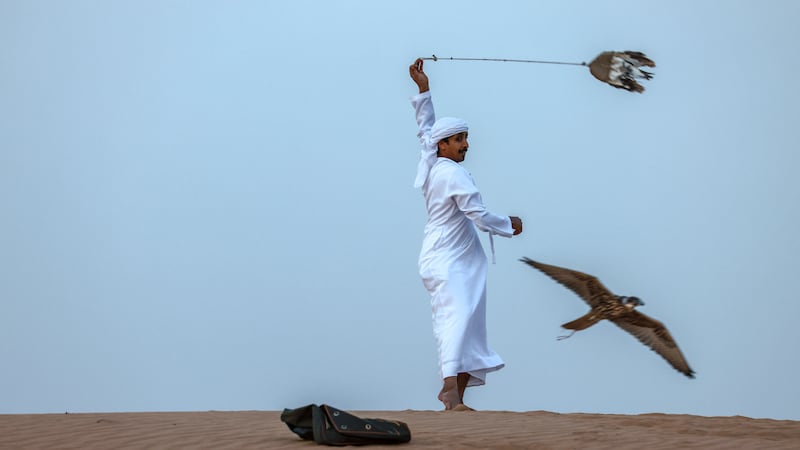
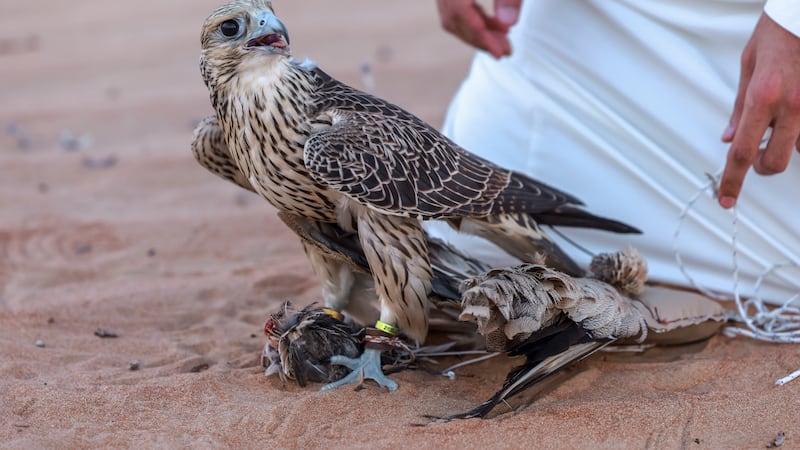
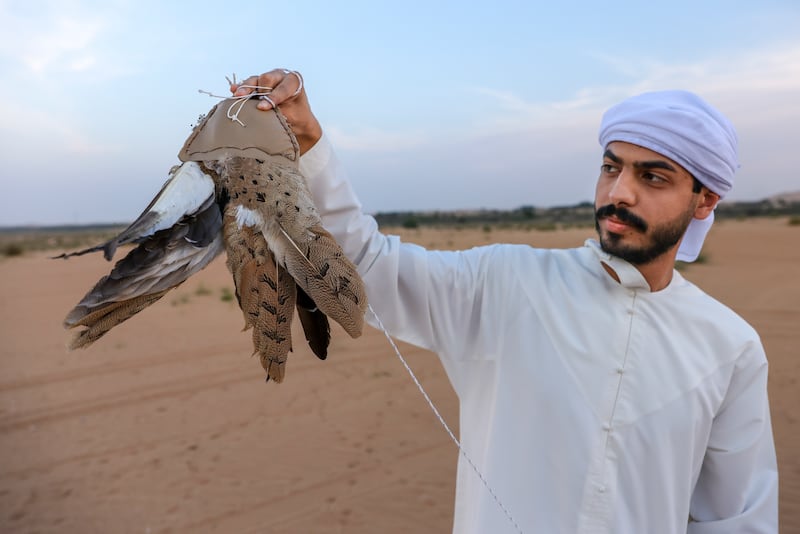
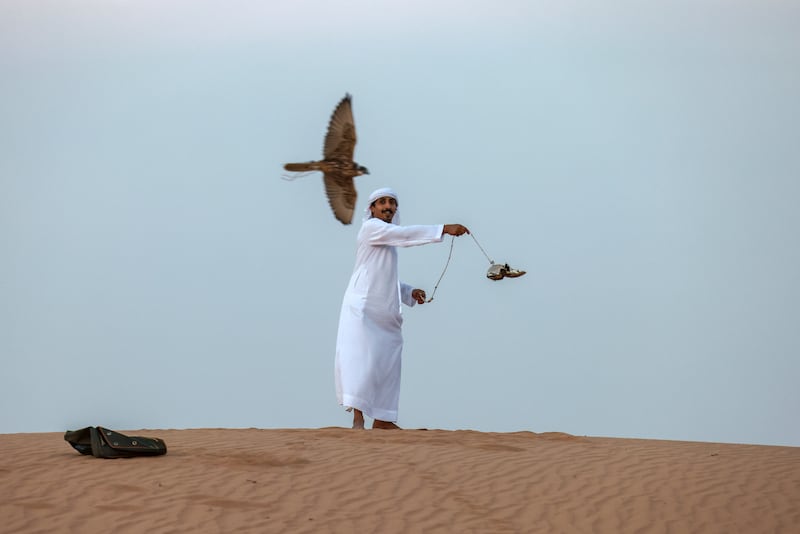
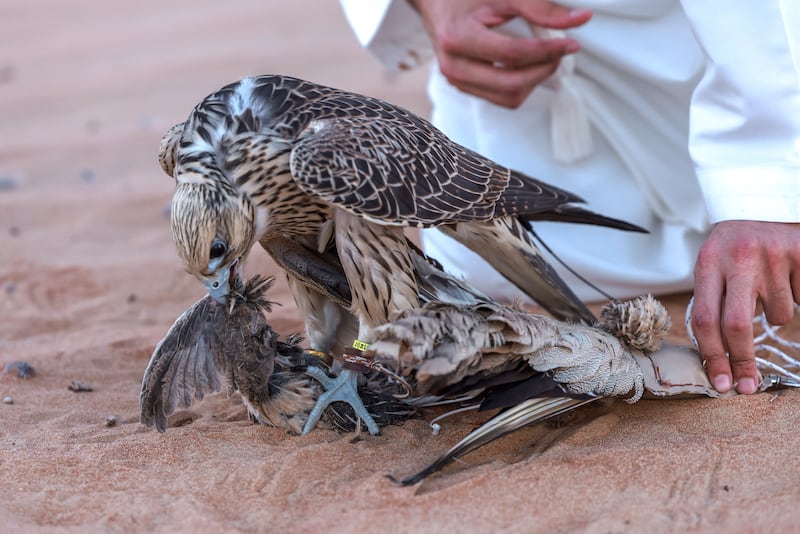
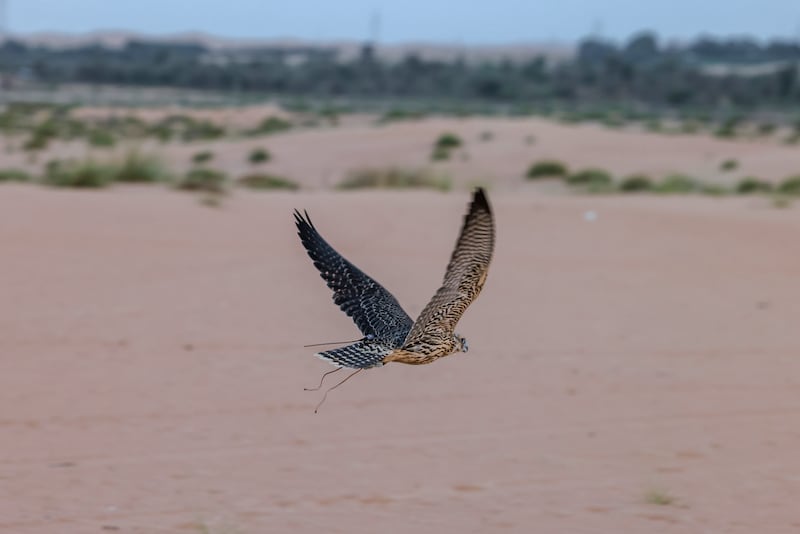
The outing described in the article is preparation for muknas, a multi-day traditional hunt. Falcons are trained using a tilwah lure made of houbara feathers: the bird is released, it attacks the 'prey', and the falconer pulls the lure away at the last moment — until the falcon delivers the final strike. Each bird has its own type of prey: some hunt kurwan, pigeons and birds of similar size, others hunt the houbara bustard or the Arabian (desert) hare. Hunting takes place in designated areas of natural territories; open areas no closer than 2 km from roads are permitted. Falconers use GPS transmitters on the birds, navigation devices and radio-frequency trackers.
Rules and permits
Licences are issued through the Tamm app, and they allow hunting only captive-bred houbara. Omar Humaid Al Hameli, a specialist at the environment agency, said that last season 1,525 falconry permits were issued, and 823 have already been issued since the start of the current season; according to him, this year's figure is expected to exceed last year's, as the new generation shows genuine interest in the hobby. Asked about the depletion of the population, he replied that there is no illegal overhunting, since the permitted quarry is captive-bred, and inspectors patrol the hunting areas. At the same time, the houbara bustard species itself, according to the publication, is listed by the International Union for Conservation of Nature as 'vulnerable'.
The tradition and its price
Falconer Saeed Suhail Al Muharrami, who has practised for more than 20 years in the UAE and, for example, in Mauritania, notes that technology has greatly simplified the hobby: from air conditioners for keeping birds during the hot season to obtaining a licence quickly via phone. According to the agency specialist, falconry is more than 1,400 years old — it is mentioned in the Quran; in the past, falcons were caught at the start of the season, tamed, and released at the end so the birds could continue their migration. The value of the best birds is high: as The National notes, citing the ADIHEX auction in Abu Dhabi, a rare gyrfalcon was sold there for 15 million dirhams, while valuable birds in general can cost more than 1 million dirhams. For the falconers themselves, however, the essence of the outings is not so much the quarry as the companionship: 'A gathering of brothers, family and friends — that is what hunting outings exist for,' says falconer Ammar bin Humaid Al Marri.