The key facts
- Mobile internet speed grew roughly one and a half times over the year, and connection quality is no longer a key concern for subscribers
- Uztelecom added services to its app: EV charging, insurance policies, calling a plumber to your home
- According to the company, at the world's largest operators the share of non-connectivity services grew from 18% to 28% of revenue over seven years
Connectivity is no longer a scarce commodity
Until recently, the main question for a mobile operator was extremely simple: where does the internet work best. Today, as Kun.uz notes, almost everyone has internet access, and its speed has grown roughly one and a half times over the past year — the question of connection quality has 'dropped off the agenda.' Along with it, the operator's familiar role has begun to change: a company that for years dealt only with connectivity now charges electric vehicles, issues insurance policies, and lets you call a plumber to your home. All these services are gathered in a single app that people used to open only to check their balance.
Seven directions and the logic behind the changes
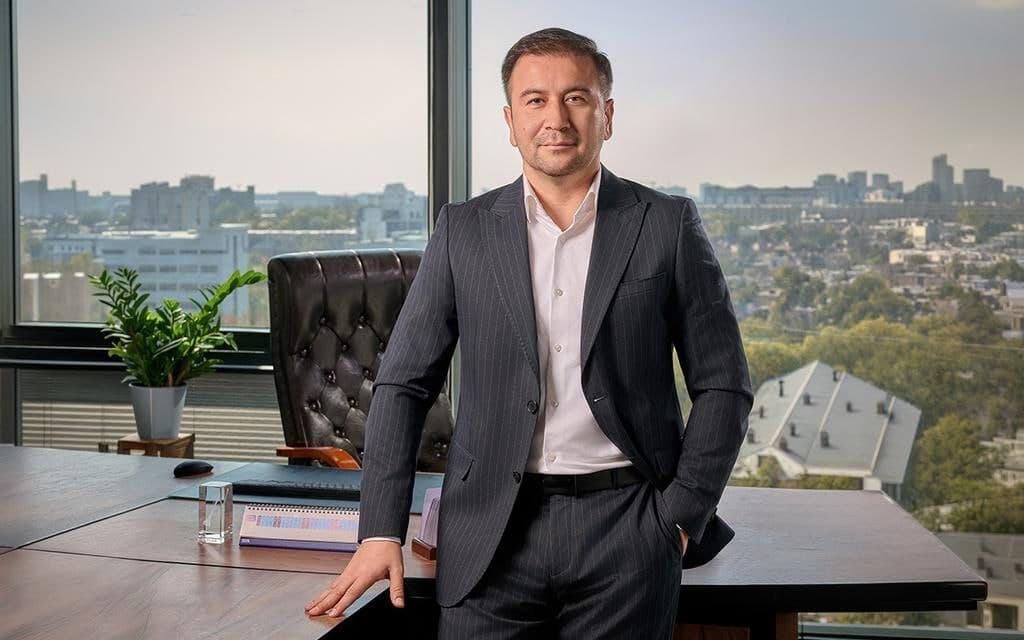
The outlet counted seven such new directions and turned to Jahongir Adilov, director of Uztelecom's marketing department, for explanations. He agreed with the thesis that telecommunications have peaked: tariffs are under pressure, and the most interesting processes are shifting to the level of services built on top of the networks. According to him, connectivity has indeed ceased to be a scarce commodity, and that is the fate of any successful infrastructure — like electricity, which was once a miracle and today is only remembered when it goes out.
Not a revenue hunt, but a strategic objective
Adilov emphasized that the company was not looking for new ways to make money: at a state-owned company the calculation is different. He named the 'Digital Uzbekistan — 2030' strategy as the starting point, which, in his words, means a simple thing: everyday matters should be resolved just as quickly in Tashkent as in Nukus. 'First solve people's problems, then the economy. In our case, the reverse order simply does not work,' Kun.uz quotes him as saying. He also cited global experience: at the world's largest operators, nearly a third of revenue already comes from services beyond connectivity — over seven years their share grew from 18% to 28%.