The key facts
- Satlyt's software is already installed on three satellites in orbit
- The test involved one real onboard computer and three simulated ones, with results transmitted to Earth
- NASA has not selected the technology for a specific mission; tests with multiple physical computers lie ahead
First orbital test of the compute scheduler
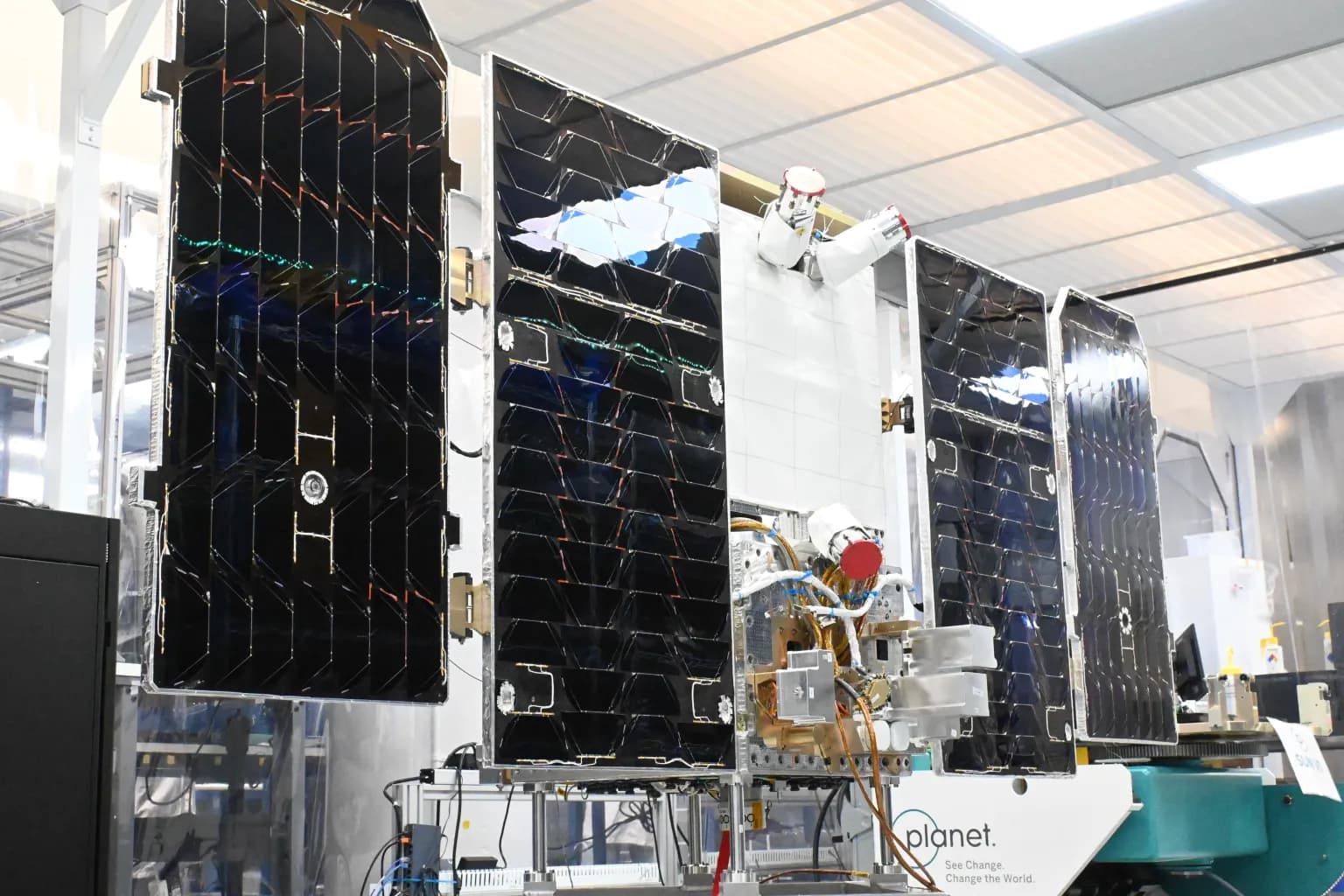
Satlyt, a startup building software to turn existing satellites into a distributed computing network, has completed a successful orbital test — after 13 months of development and as part of a NASA-funded research project with the University of Houston, TechCrunch reports. The program demonstrated how tasks can be distributed among computers in orbit, taking into account available compute capacity and communications.
How the experiment went
The company created a simulated network of four computers, four users, and eight services. The software was actually run on only one physical computer aboard the spacecraft — the other three were simulations; the results were transmitted to Earth. The test proved that the software can generate plans on onboard hardware, but ahead lie checks of how several physical computers will exchange data in practice. Founder and CEO Rama Afullo called the result a compromise: one of the approaches performed better but required more compute resources. The test also uncovered an error in accounting for latency times — the software recorded the arrival time rather than the latency duration; according to Afullo, this does not mean failure: 'The software development, onboard execution, and return of results were all successful.'
What it enables and what comes next
Satlyt, founded in 2024 by a former Google and SpaceX employee, aims to turn spacecraft into virtual data centers: its software allows operators to run AI and other applications onboard, processing data closer to where it is collected and reducing dependence on downlinking data to Earth. For example, when a wildfire is detected, a satellite could deliver relevant information faster. By design, users of the system should only set permissions, priorities, and limits, while the software makes decisions within those bounds. Importantly, although the test was conducted as part of a NASA-funded project, the agency has not yet selected the technology for any specific mission. The company itself counts the result as a win and calls it 'a building block on the path to satellites sharing compute.' Next come tests under different workloads, hardware, and communications conditions, as well as broader validation and a demonstration of distributing compute between separate spacecraft; in the long term, the company wants developers to be able to build applications for space without reworking the infrastructure for each mission.