The key facts
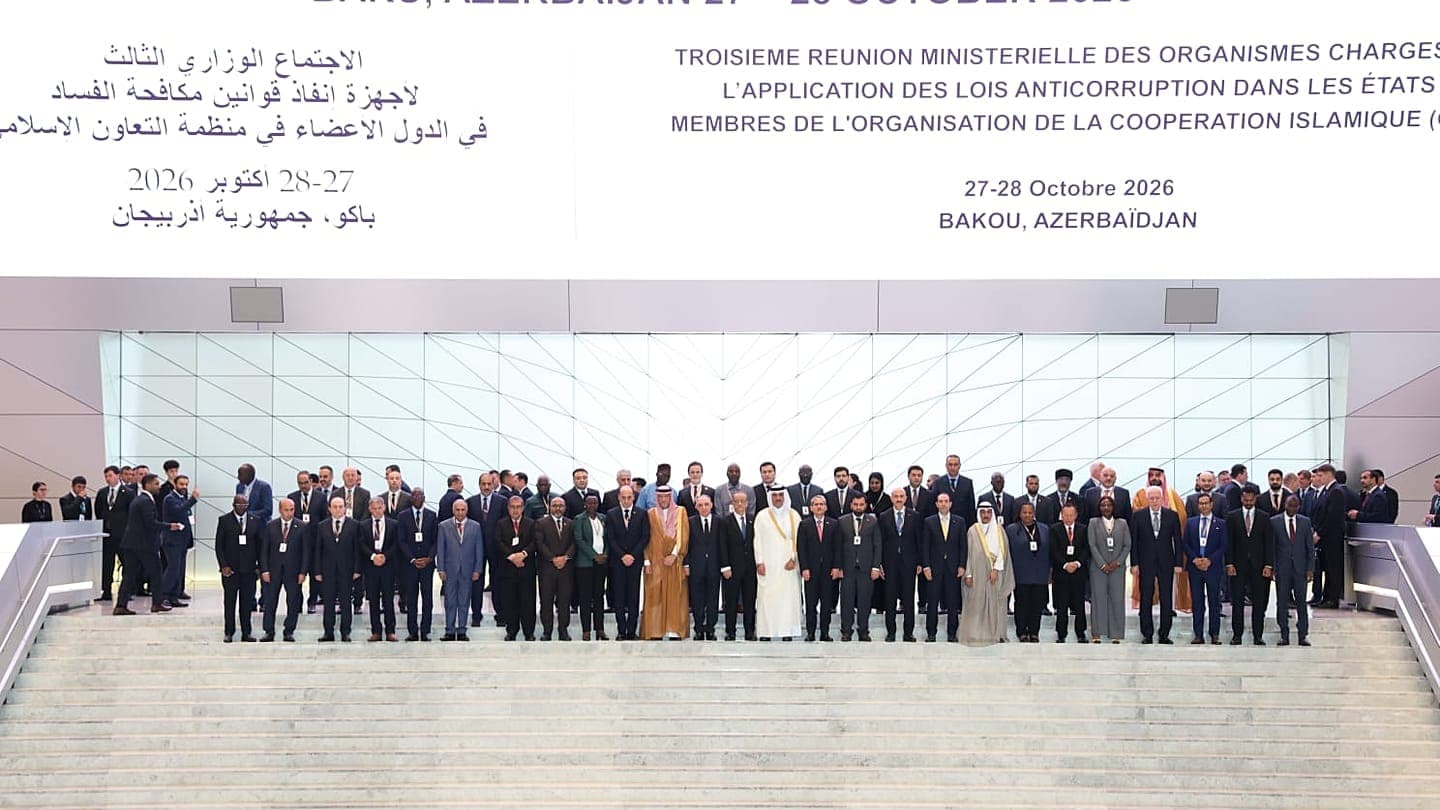
- More than 250 participants from 46 states and 8 international organisations gathered in Azerbaijan
- Azerbaijan was elected chair of the bureau for two years and signed the Makkah Convention
- Malaysia reported recovering about 75–80% of the embezzled funds in the 1MDB case
- Malaysia reported the recovery of about 75–80% of the embezzled funds in the 1MDB case
Summit in Azerbaijan: 46 states and a unified legal framework
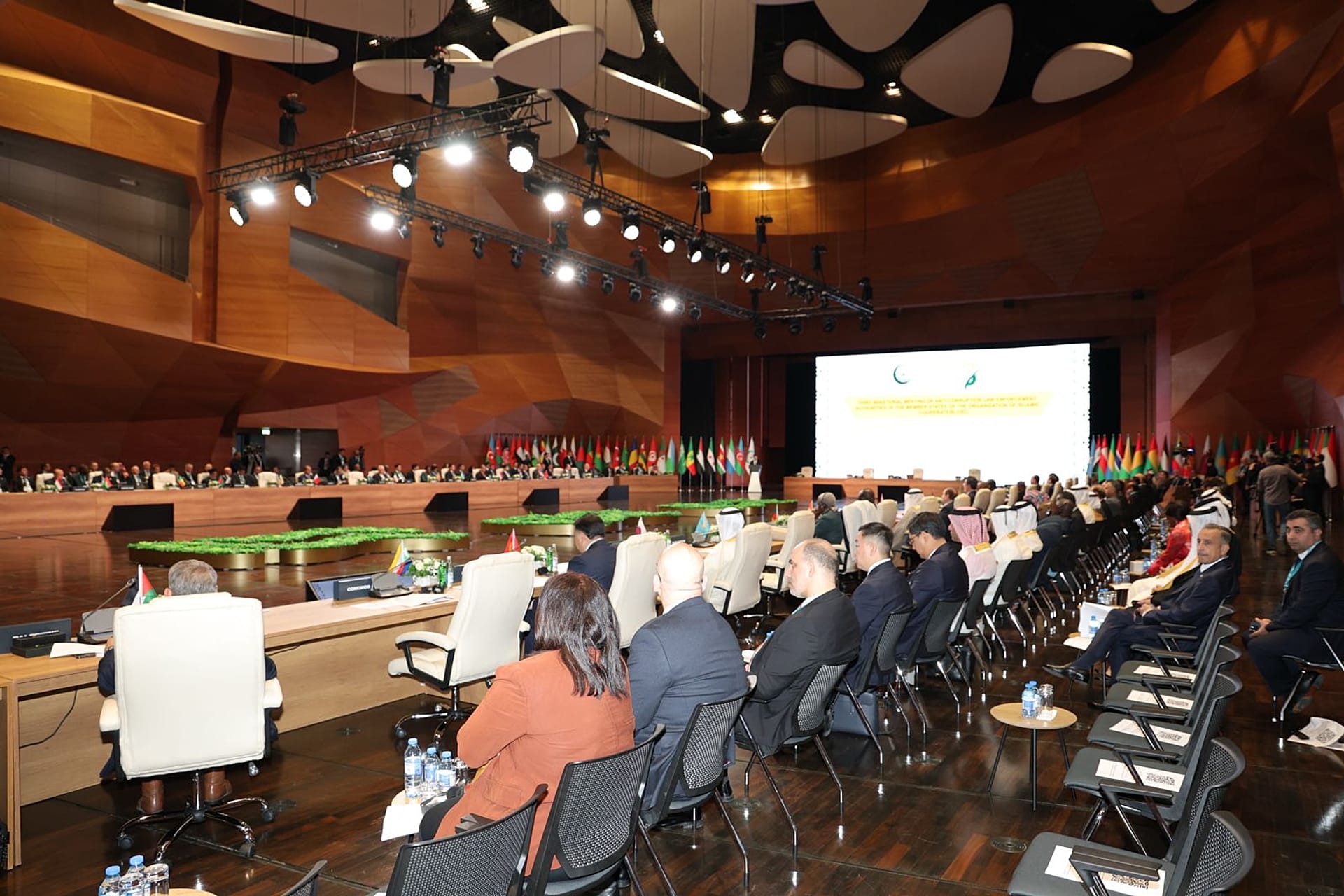
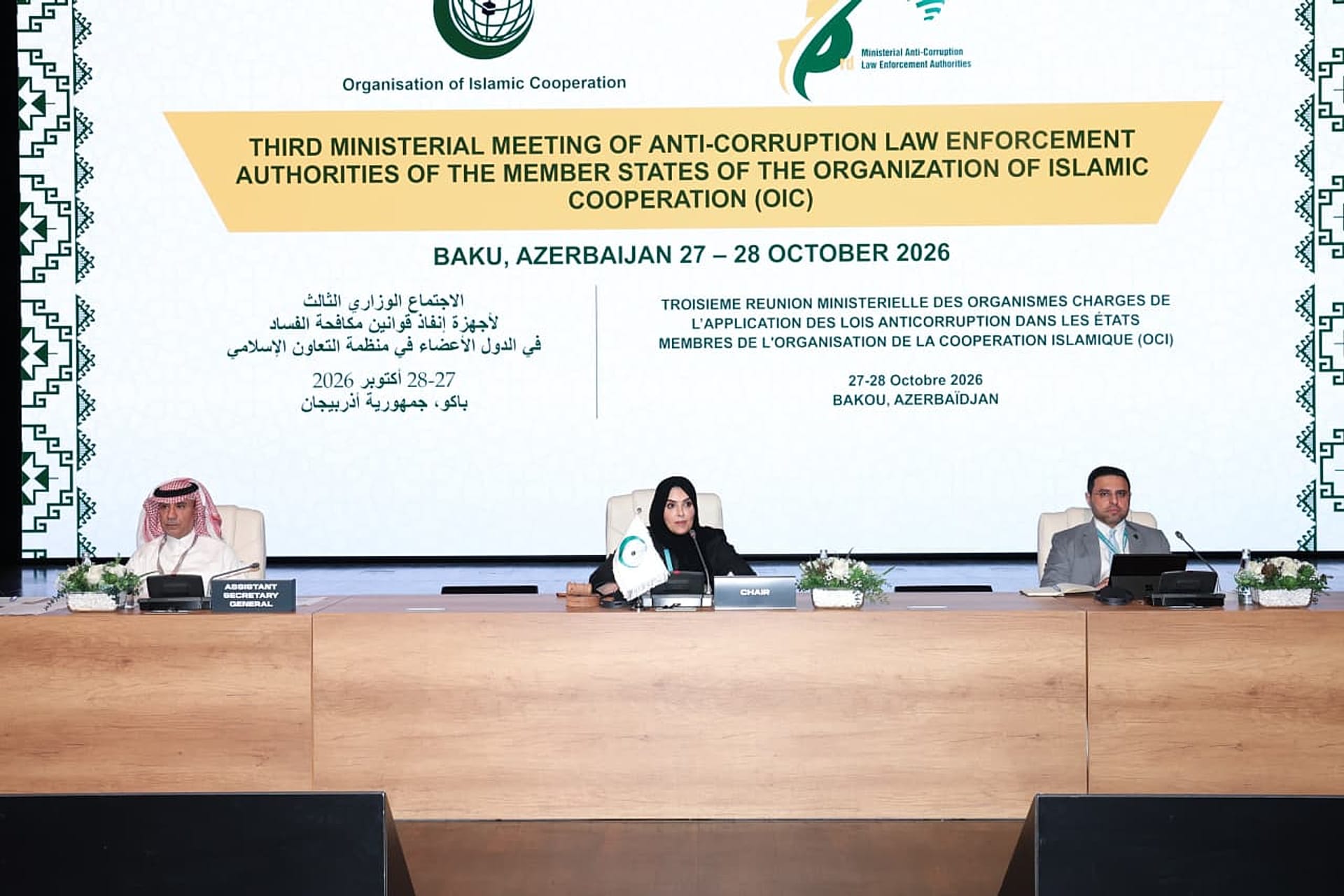
Azerbaijan hosted the Third High-Level Meeting of Heads of Anti-Corruption Law Enforcement Agencies of the Member States of the Organisation of Islamic Cooperation (OIC). According to Tugay Rahimli, Special Assistant to the Prosecutor General of Azerbaijan, the event brought together more than 250 participants from 46 member states and service-providing countries, as well as eight international organisations; its main goal is to develop international cooperation, the exchange of information and practices, and joint efforts to recover assets obtained through criminal means. This is reported by Euronews.
The Makkah Convention as the core of the agenda
The central theme of the summit was the implementation of the Makkah Convention, adopted in 2022 in Makkah (Saudi Arabia). According to the OIC, this is the first multilateral agreement on law enforcement cooperation in the field of anti-corruption created specifically for the organisation's member states: it establishes a unified legal framework for tracking illicit financial flows across borders and is designed to simplify mutual legal assistance, information exchange, and the recovery of assets obtained through corruption. The Convention operates within the association of 57 states and is expected to allow agencies to exchange intelligence more quickly, conduct joint investigations, and also trace, freeze, and return stolen state funds, bypassing lengthy diplomatic channels.
Azerbaijan — the new chair of the bureau
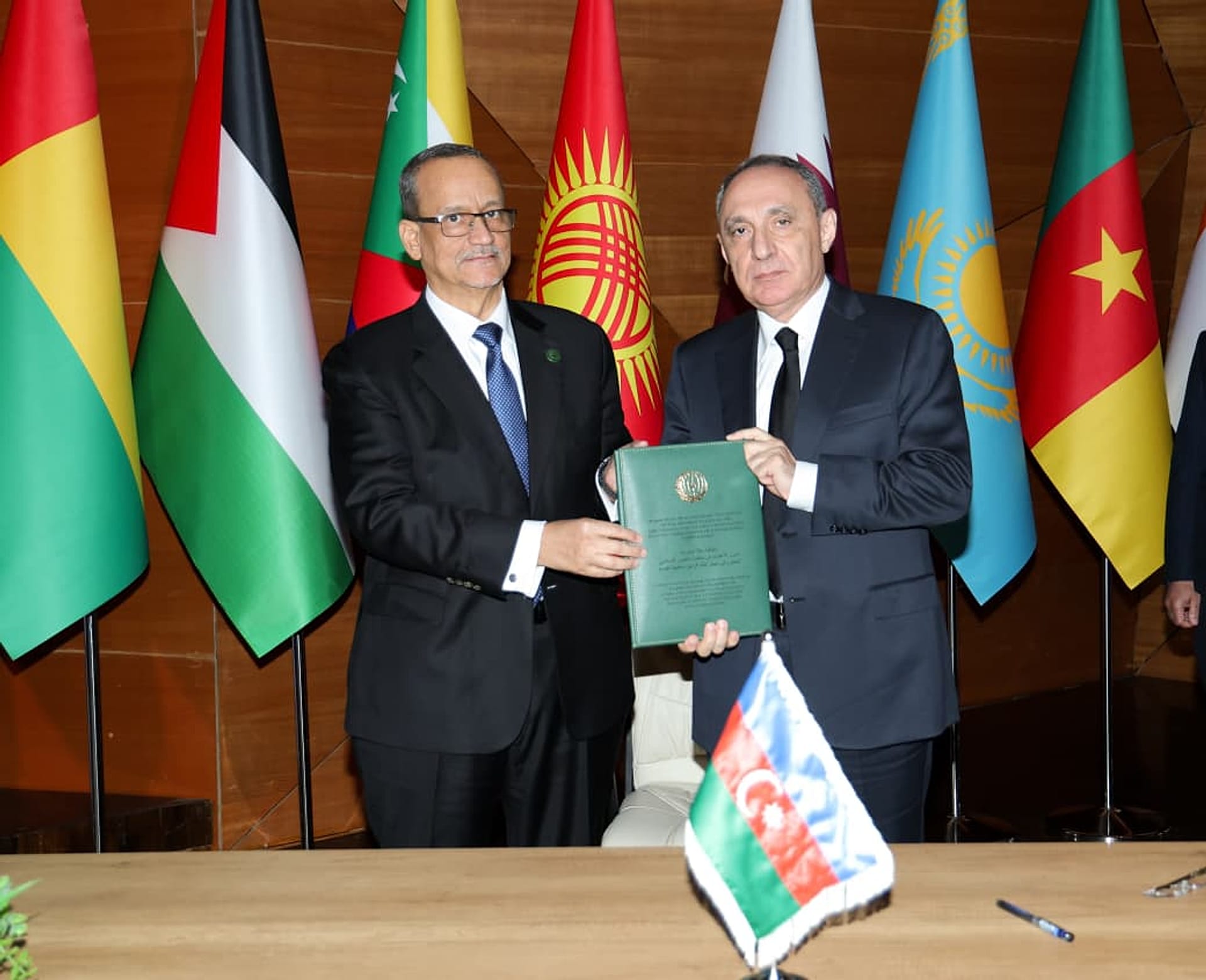
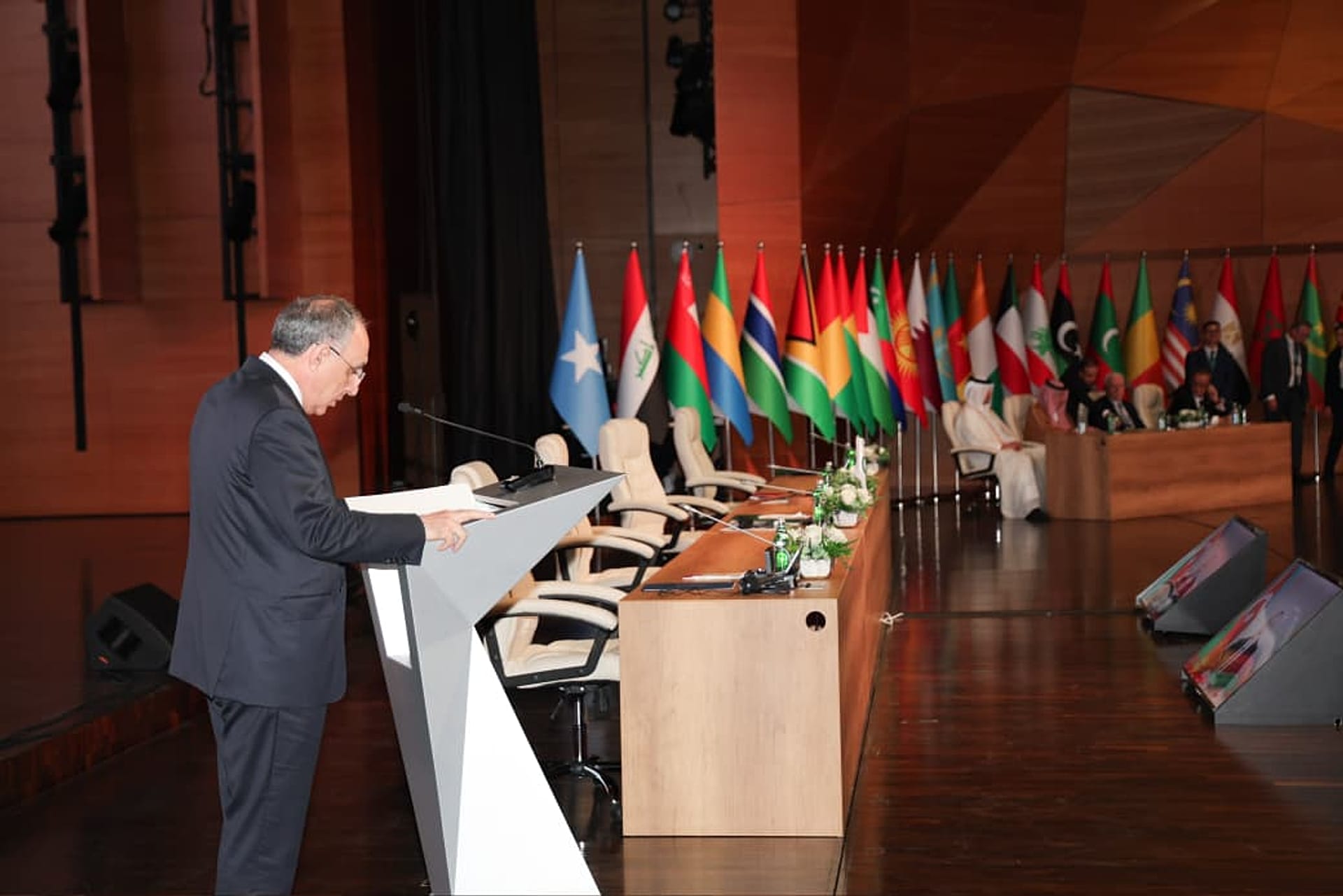
Prosecutor General of Azerbaijan Kamran Aliyev confirmed that the country has signed the convention and, in his words, 'has incorporated all the provisions of the conventions into our legislation.' Rahimli separately highlighted a personnel outcome of the meeting: Azerbaijan was elected chair of the bureau for the next two years. For the host country, this means the role of coordinator in the work of this association for the coming period.
Malaysia's experience: recovering funds in the 1MDB case
A practical example of cross-border investigations was presented by Abd Halim Bin Aman, Chief Commissioner of the Malaysian Anti-Corruption Commission. He spoke about the years-long work on the case of the state fund 1MDB, established in 2009, which became the centre of one of the world's largest financial kleptocracy scandals: according to the US Department of Justice, cited by Euronews, in 2009–2015 more than $4.5 billion was embezzled through offshore companies and international accounts, and the money was laundered through financial institutions in the United States, Switzerland, Singapore, and Luxembourg. 'We managed to bring home about 75–80% of the funds held abroad and recovered about 33 billion Malaysian ringgit in damages,' Bin Aman said. According to the US Department of Justice, it additionally repatriated $156 million, bringing the total amount of recovered funds to approximately $1.4 billion. Bin Aman named bureaucracy as the main obstacle in such cases and emphasised the value of the summit as a platform for exchanging legislation and practices.
Barriers and technology
Deputy Security Minister of Bosnia and Herzegovina Ivica Bošnjak noted that his country's complex political structure complicates the entire security system: national authorities have to coordinate the work of 16 police agencies and numerous other departments, and, in his words, 'much remains to be done' to refine key laws and operational strategies against cross-border financial crime. Imed Hazgui, President of Tunisia's Higher Authority for Administrative and Financial Control, warned that terrorist and organised criminal groups are increasingly using advanced technologies to commit crimes and circumvent sanctions, and called on member states to adopt digital tools, including artificial intelligence, for predicting and processing threats. The article does not report any direct connection between the summit and Uzbekistan; the participation of specific countries, apart from those named by the speakers, is not listed in the publication.