The key facts
- Swinney and Burnham agreed that Westminster 'is not working' for the people of Scotland, but differ on independence
- The parties agreed on a 'policy sprint' led by No 10 North to work out further devolution
- Downing Street once again stated that a second independence referendum 'is not on the table'
Agreement amid continued disagreement
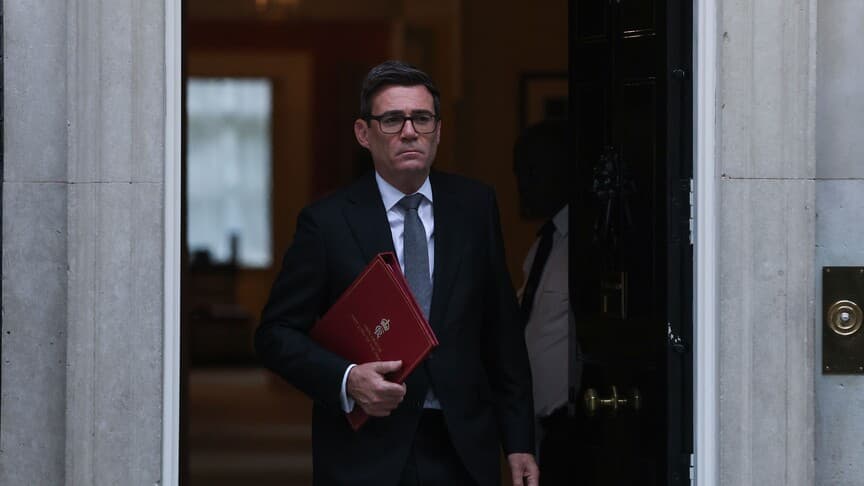
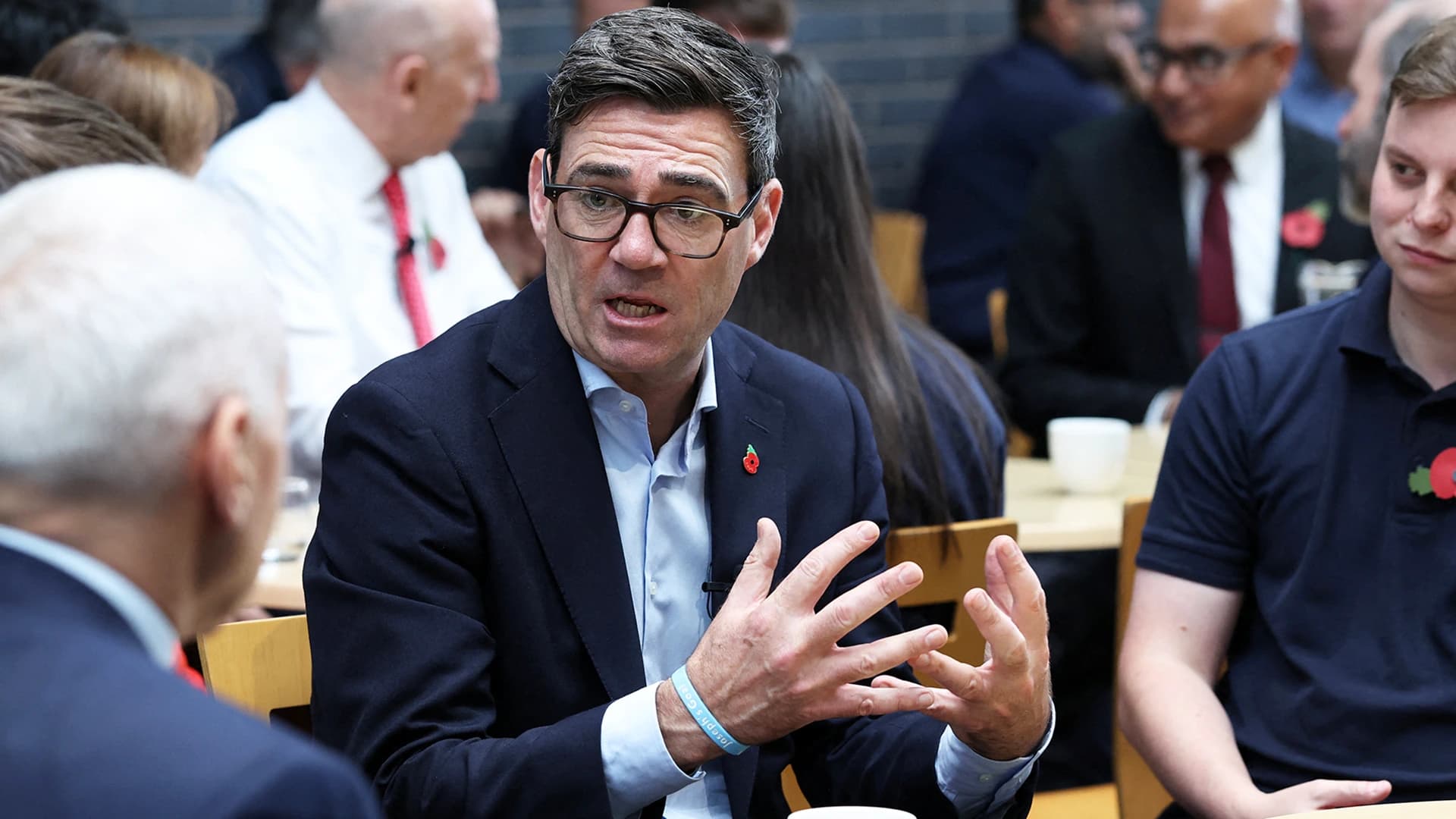
UK Prime Minister Andy Burnham and Scotland's First Minister John Swinney, after a meeting of the National Economy Council (NEC) in Glasgow on Friday, declared their readiness to jointly work on transferring additional powers to Scotland, while maintaining fundamental disagreements on the question of independence, Anadolu reports. 'Although the Prime Minister and I disagree on the question of independence, we agree that Westminster is not working for the people of Scotland,' Swinney's words are quoted by the publication.
Swinney's conditions and Downing Street's position
Swinney said he would work 'constructively and in cooperation' with the UK government on further devolution, provided that the proposals deliver economic growth, higher wages, better jobs, opportunities for business, and help with cost-of-living issues. He also welcomed the 'devolving by default' principle proposed by the UK government and noted that, according to Burnham, the government will not bypass the Scottish Parliament. Swinney added that he expects both governments to jointly develop a plan for further devolution aimed at stimulating economic growth.
Next steps
Downing Street, in its statement, described the meeting as 'extremely positive' and called the NEC discussions a valuable starting point for working out how both governments can promote regional devolution, reindustrialisation, and economic growth. The agenda will be advanced by a so-called 'policy sprint' led by No 10 North with the participation of officials from both governments; the UK government will also consider and respond to a number of issues raised by Swinney. At the same time, Downing Street confirmed Burnham's position that a second independence referendum 'is not on the table' — it is here that the parties' positions remain incompatible, despite agreement on expanding regional powers.