The key facts
- Eight people died in the flooding; damage is estimated at around $400 million, with insurance covering only about 10%
- 8 people died in the flood; damage is estimated at about $400 million, with insurance covering only about 10%
- 8 people died in the flood; damage is estimated at around $400 million, with insurance covering only about 10%
- Experts call for protecting waterways and turning floodplains into public spaces; Turkey hosts Cop31 in November
- Experts urge protecting waterways and turning floodplains into public spaces; Turkey hosts Cop31 in November
Record rainfall and eight dead
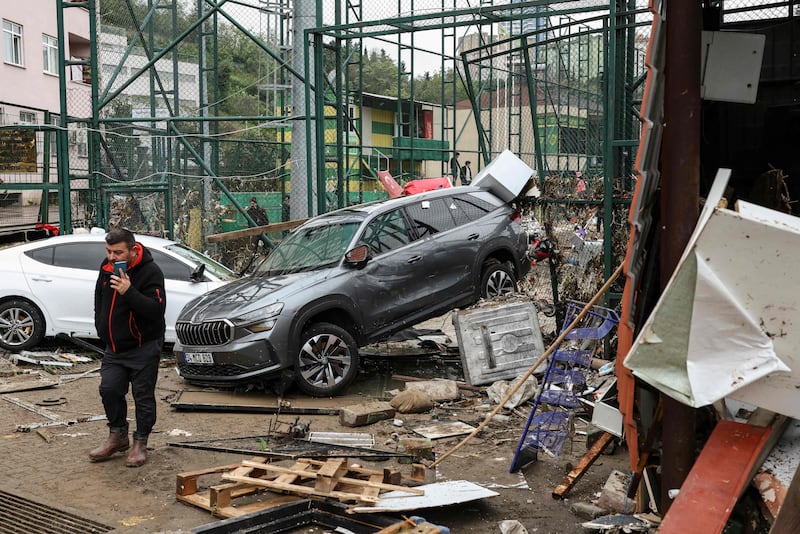
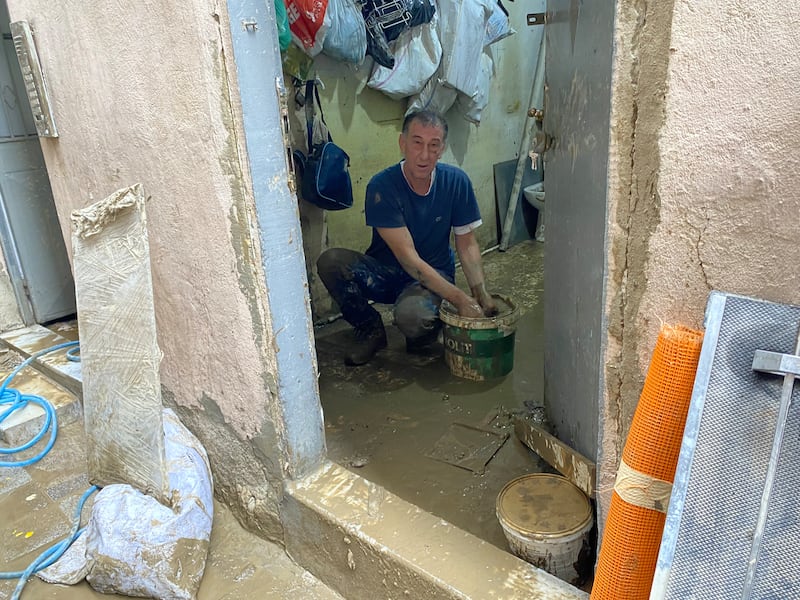
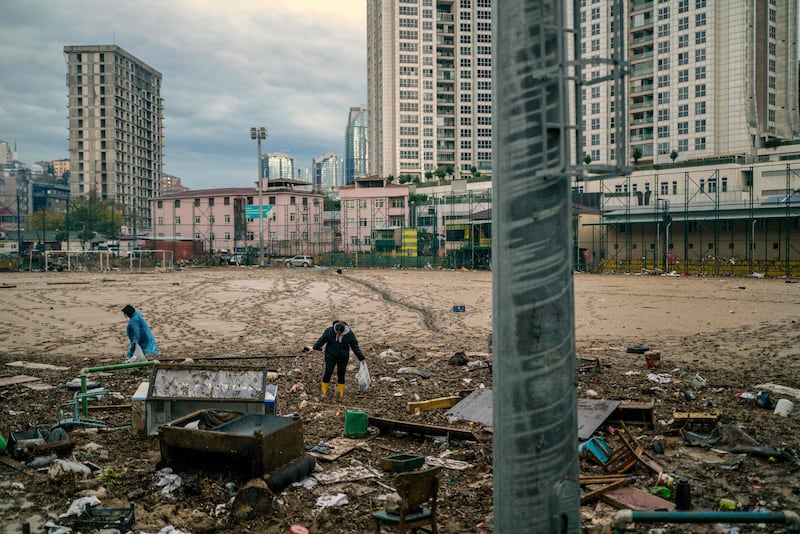
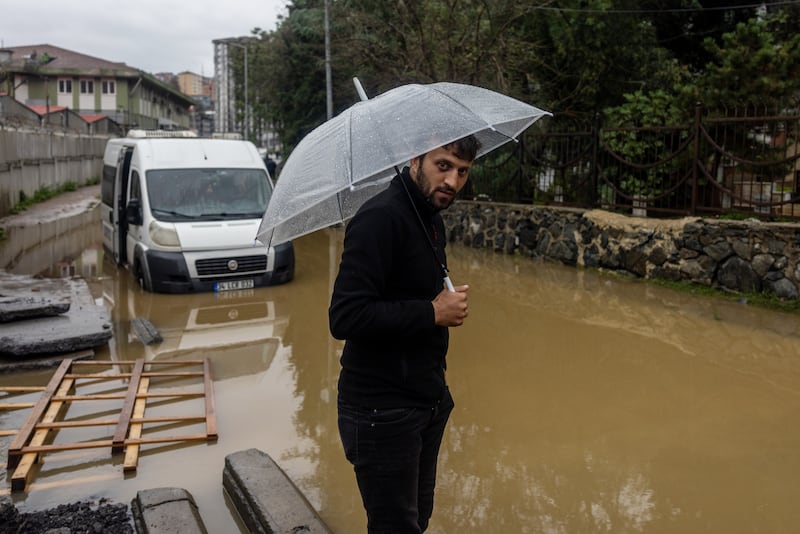
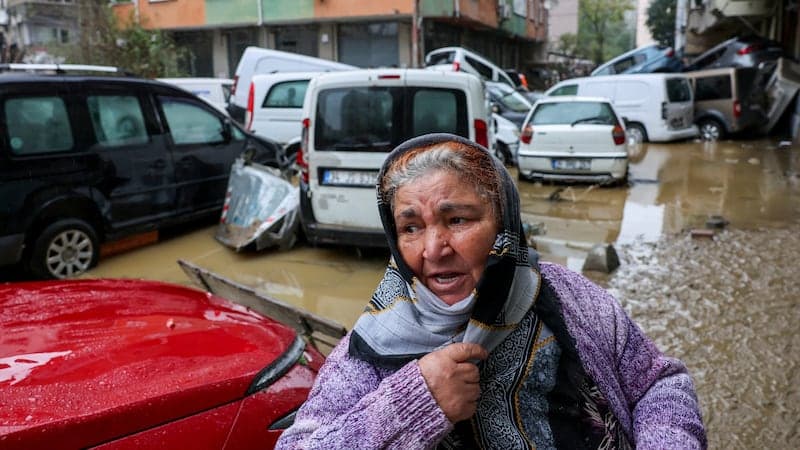
Istanbul is dealing with the aftermath of flooding caused by the heaviest rainfall since record-keeping began more than 80 years ago. Eight people died: one was fatally electrocuted, while others were swept away by floodwater several meters deep. The National reports this, citing official data and its own reporting in the affected districts.
What happened to residents and small businesses
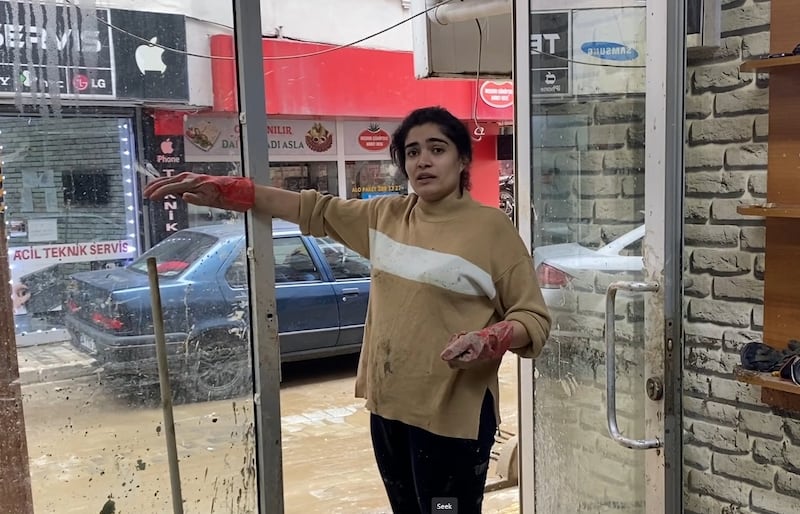
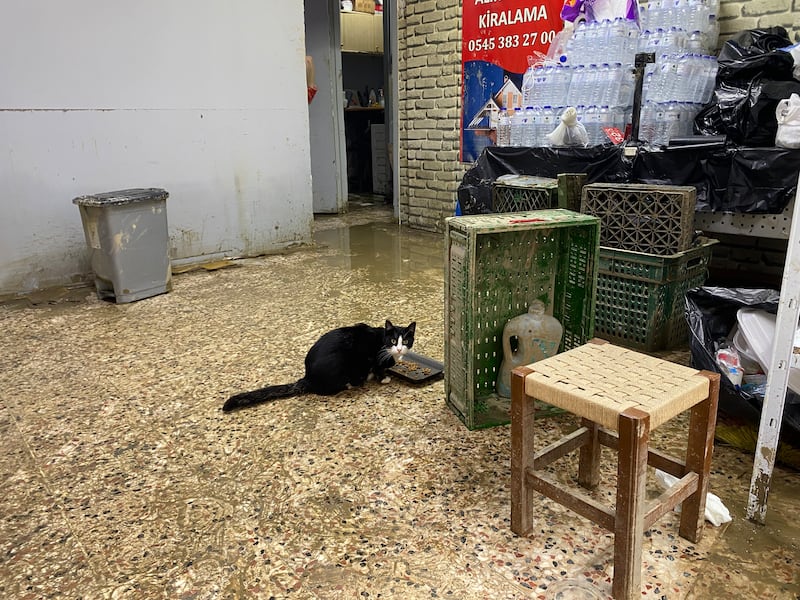
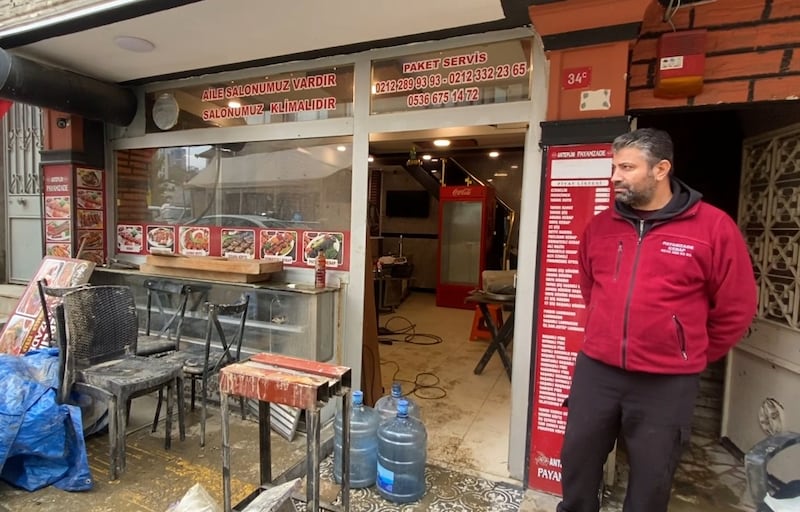
A National reporter visited the Ayazma district in the north of the city, where the Ayazma river burst its banks. Gulshah Aktan, 28, spent four and a half hours trapped in a bus blocked by floodwater before local residents pulled her and other passengers out. A family-run electronics repair workshop was flooded up to shoulder height: 40 computers were destroyed, along with goods and equipment the family estimates at 5–6 million Turkish lira (about $100–120 thousand). A neighboring clothing and footwear shop owner, Yakup Cotoglu, said he lost 75% of his stock — damage of at least 3 million lira. Kebab shop owner Omer Payamzade has since been unable to pay his 12 employees. According to the Haberturk newspaper, cited by The National, total damage across the city is estimated at roughly $400 million, of which insurance companies will cover only about 10%. Istanbul Governor Davut Gul said 3,000 homes and businesses had suffered
Concrete in place of waterways
Experts attribute the scale of the destruction to the nature of development. According to a 2024 study cited by The National, built-up areas in Istanbul province grew from 6% of the land area in 1984 to 24% in 2022, while farmland shrank from 36% to 17%. Chamber of Urban Planners of Turkey chairman Akif Atlar cited research showing that 108 of the city's 164 waterways have been disrupted by profit-driven construction. Landscape architect and Marmara University lecturer Sinan Seher Uçel noted that the flooding affected not only areas of illegal construction but also projects approved through zoning and granted permits — meaning the problem lies in the planning approach to nature itself. Climate scientist Levent Kurnaz of the Bosphorus Center for Climate Change Research called the increasingly frequent extreme weather events the
What is being proposed and what the authorities promise
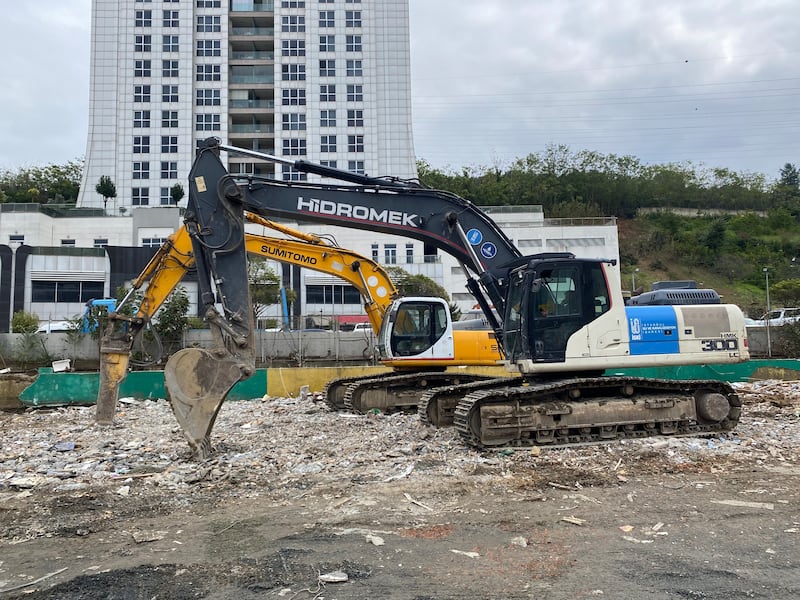
Experts propose allowing water to seep into the soil in the upper reaches of catchment basins, banning construction within floodplain boundaries and turning them into parks capable of absorbing water during floods, clearing riverbeds while protecting residents' rights, and updating the standards for calculating rainfall loads on buildings. Minister of Environment, Urbanization and Climate Change Murat Kurum acknowledged that 'the future cannot be planned based on past data,' calling the clearing of riverbeds, maintenance of river structures, upgrading of storm drainage and reassessment of flood risks 'duties that cannot be postponed.' Yucel, however, warns that 'reclamation' of built-over streams may merely accelerate surface runoff and shift the flood risk to the lower reaches of the basin. According to the meteorological service, a third of extreme weather events in Turkey in the first eight months of the year involved heavy precipitation and floods, and the total number of such events was the third highest since observations began in 1941. The context is complicated by the fact that Istanbul lies in an active seismic zone and has been awaiting an earthquake of magnitude greater than seven for years: a significant portion of the housing stock, as The National notes, remains weak and unfit to withstand strong tremors. Atlar calls for directing the budget toward renovation that would protect the city from both floods and earthquakes: 'We now live in an era of multiple catastrophes.' In November, Turkey hosts the Cop31 climate conference, but, according to experts, solutions are needed above all at the level of urban planning.