The key facts
- UN experts: RSF drone strikes on El Obeid may amount to war crimes
- Thousands of people detained by SAF-linked security structures; El Obeid prison holds about 2,000 people despite a capacity of 450
- October 2026 saw the highest number of drone attacks on civilians since the war began; the mission is investigating a strike on a market in Abyei on 19 October that killed at least 80 people
A city under double pressure
The Sudanese city of El Obeid lives in 'constant fear': on one side it is being struck by drones of the paramilitary Rapid Support Forces (RSF), on the other, residents face arrests and torture by security structures linked to the Sudanese Armed Forces (SAF). This warning came from the UN-appointed International Independent Fact-Finding Mission for Sudan in its latest report, as covered by The National. The mission states that the war is becoming 'more geographically expansive, technologically sophisticated and increasingly dangerous for civilians.'
What the report documented
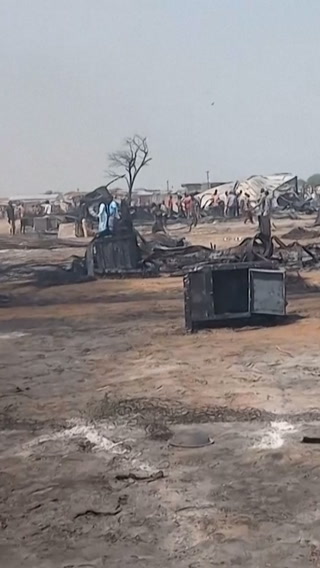
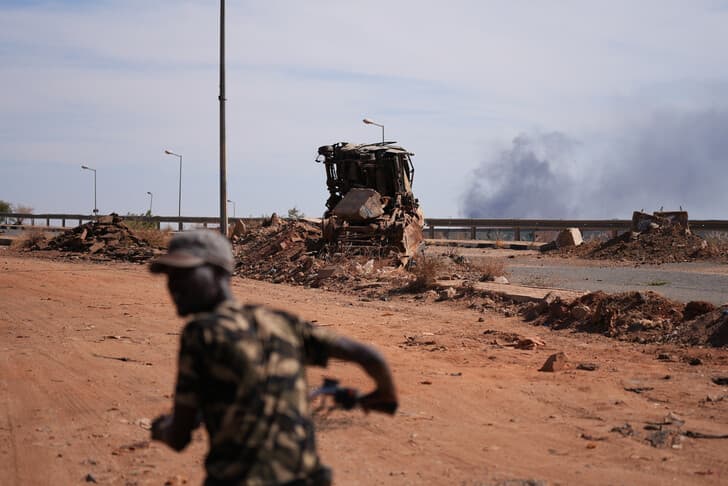
According to the mission, RSF drone strikes have killed and maimed civilians, destroyed homes, schools and shelters, and severely damaged water and electricity systems; such attacks, the report notes, may amount to war crimes. At the same time, according to mission expert Mona Rishmawi, thousands of people have been detained by SAF-linked security structures and tortured in El Obeid's central prison and 'unofficial places' in inhumane conditions. The prison, designed for 450 people, is reportedly holding around 2,000; one former detainee described how up to 40 people were held in a small cell. SAF-linked structures have also intensified surveillance and are deliberately targeting people involved in humanitarian, human rights and peacebuilding work.
Destroyed infrastructure and a record October
The mission notes that SAF stationed personnel and military equipment in residential neighbourhoods, next to homes and markets, exposing civilians to the risk of attack; the proximity of military objects, the report stresses, does not remove either party's obligations under international humanitarian law. After repeated strikes, fewer than one in three hospitals is functioning in El Obeid — as one interviewee told the mission expert. According to mission chair Mohamed Chande Othman, October saw the highest number of drone attacks on civilians since the conflict began. The mission is also investigating a strike on a market in Abyei on 19 October, in which SAF were reportedly involved and which killed at least 80 people.
Calls and context
Mission expert Joy Ngozi Ezeilo called for extending the existing UN arms embargo, currently limited to Darfur, to the entire territory of Sudan. A year after the RSF captured El Fasher, she noted, no one has been held accountable: 'The passage of time must not diminish attention to what happened in El Fasher.' Earlier, in mid-October, UN Deputy Secretary-General Rosemary DiCarlo told the Security Council that drones had become the leading cause of civilian casualties this year, and urged the parties to mutually ban their use. The war between the SAF and the RSF began in April 2023 and, according to the mission, has displaced around 14 million people; SAF leader General Abdel Fattah al-Burhan rejects repeated attempts by the United States and regional powers to negotiate a ceasefire.