The key facts
- Kennedy Jr. proposed allowing compounding pharmacies to prepare six peptides not approved by the FDA
- The draft was published in the Federal Register, ahead of a two-week public comment period
- An FDA advisory panel voted in July to ease the restrictions, but FDA staff recommended against it
A minister's draft, not the agency's
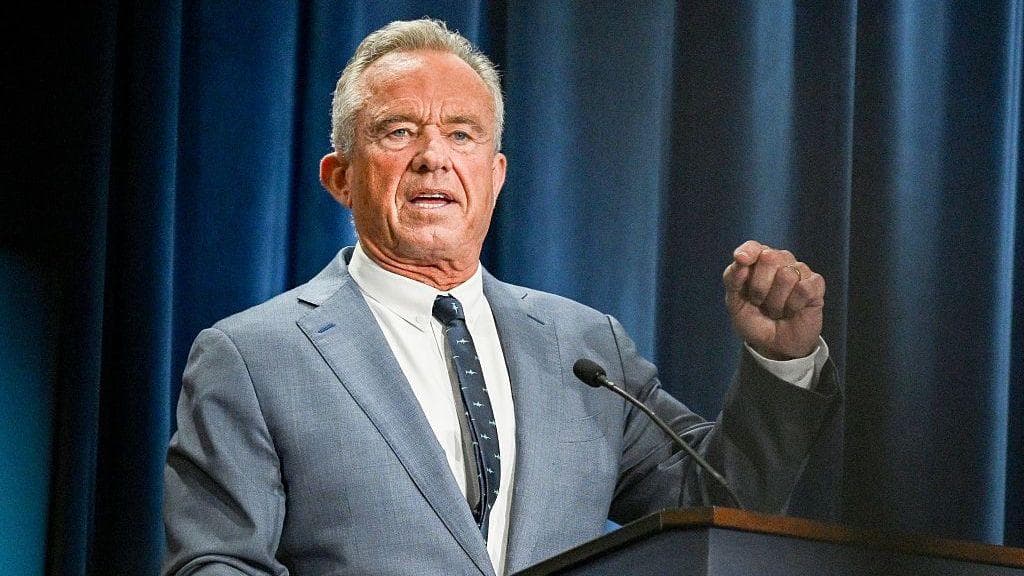
US Health Secretary Robert F. Kennedy Jr. has presented a plan to ease restrictions on peptides that have not been approved by the Food and Drug Administration (FDA). The document was published in the Federal Register on Wednesday, BBC News reports. It includes six popular peptides, including BPC-157, TB-500, KPV, MOTS-c and Semax: compounding pharmacies will be able to mix them to prepare preparations.
An unusual path for the document and disagreements within the FDA
In an unusual arrangement, the draft came from the office of the health secretary himself, not from the FDA. After the official publication, expected this week, a two-week public comment period will open. The background to the decision is telling: in July, an FDA advisory panel voted to ease restrictions on these six peptides, but the agency's own staff recommended against doing so. According to the BBC, Kennedy called himself a 'big fan' of such preparations and previously promised to ease restrictions after the Biden administration tightened oversight of the growing industry.
What peptides are and why they are controversial
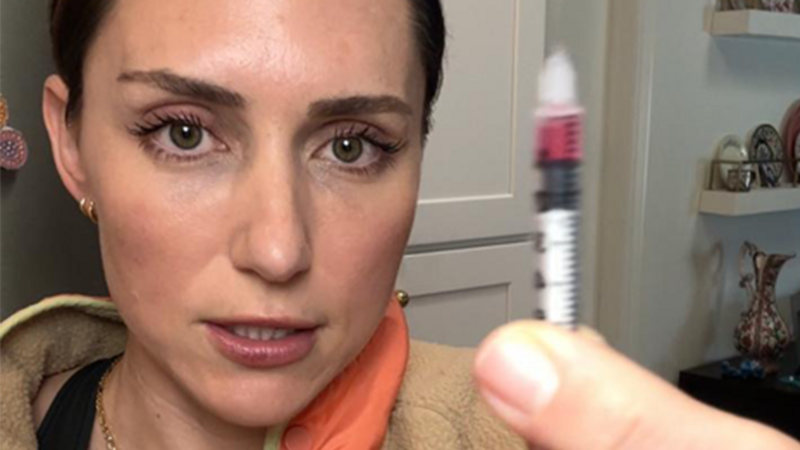
Peptides are short chains of amino acids, small proteins that the body produces naturally: they act as 'messengers' for cells and are involved in skin health, immune system function and hormone regulation. Peptides have been used in medicine for more than a century — insulin, one of the first peptide hormones discovered, helps people with type 1 diabetes control their blood sugar. However, unregulated peptides flooded the 'wellness' market after GLP-1 weight-loss drugs went mainstream. Online influencers promote them as 'stacks' for unproven purposes — rejuvenation, healing, skin improvement; among teenagers on TikTok, especially boys, they are popular because of claims of muscle growth within 'biohacking' and 'looksmaxxing' trends. Experts warn against using these substances, pointing to the absence of clinical trials in humans and unknown long-term effects. The BBC notes that it contacted the FDA for comment.
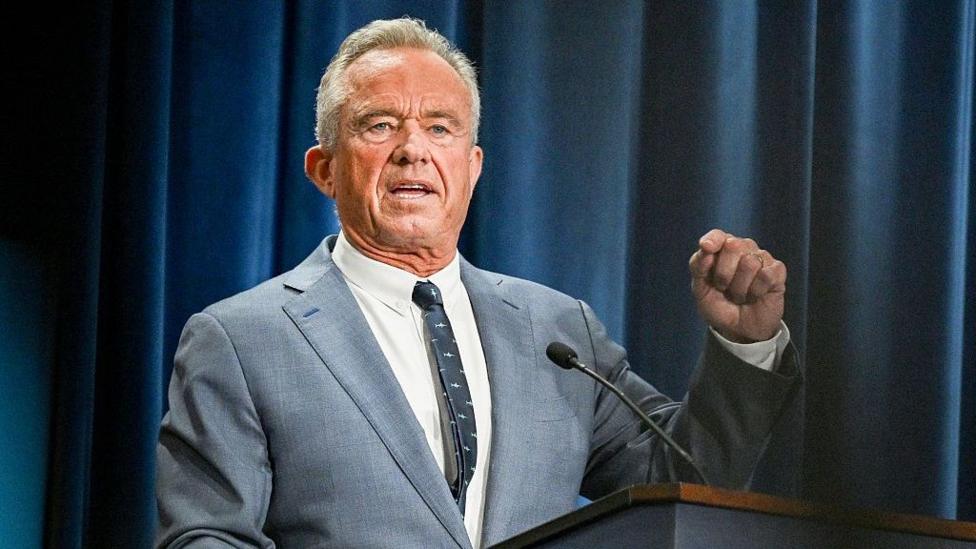 Image source, Getty Images