The key facts
- Putin promised to continue grain supplies to Africa on a contractual and free-of-charge basis after the Third Russia–Africa Summit
- Russia is ready to cooperate on large power plants and small modular nuclear reactors
- Putin supported permanent representation for Africa in the UN Security Council and commented on the call with the leaders of Finland and Norway
Grain supplies and partnership after the summit
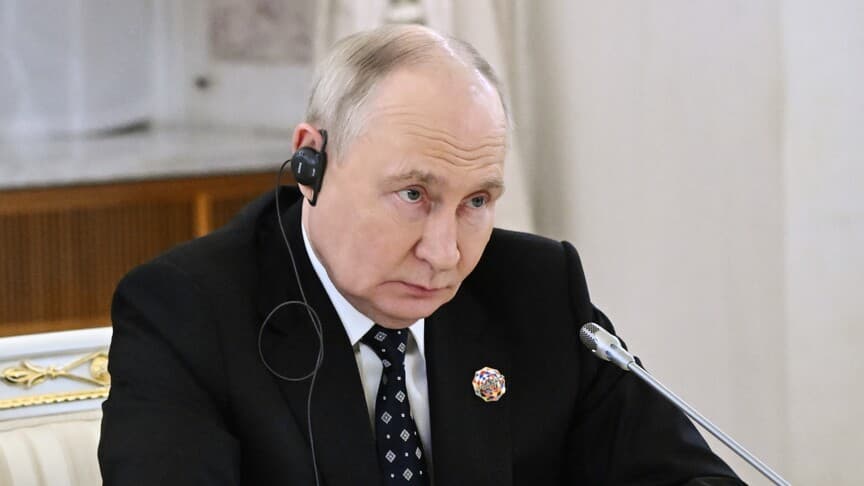
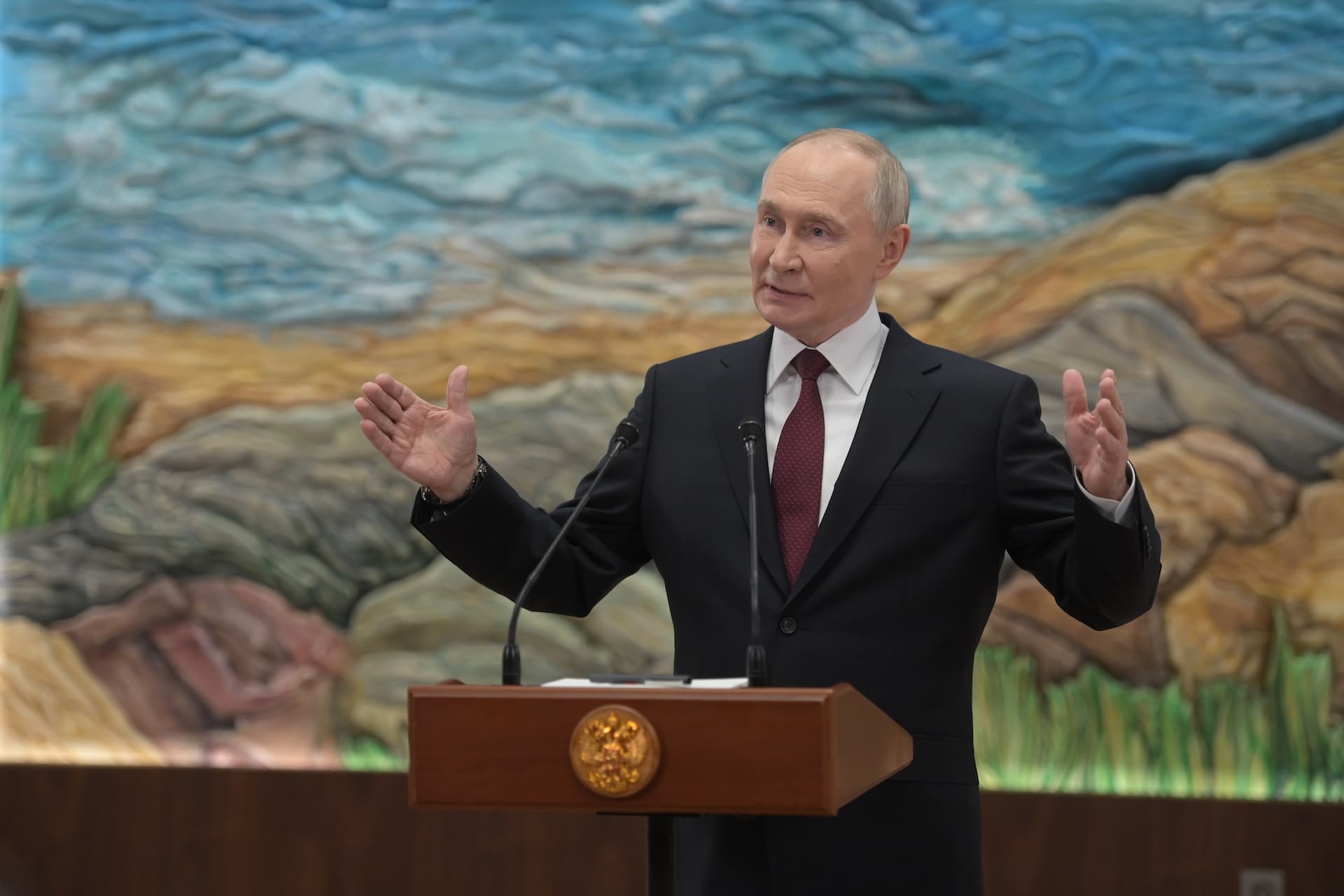
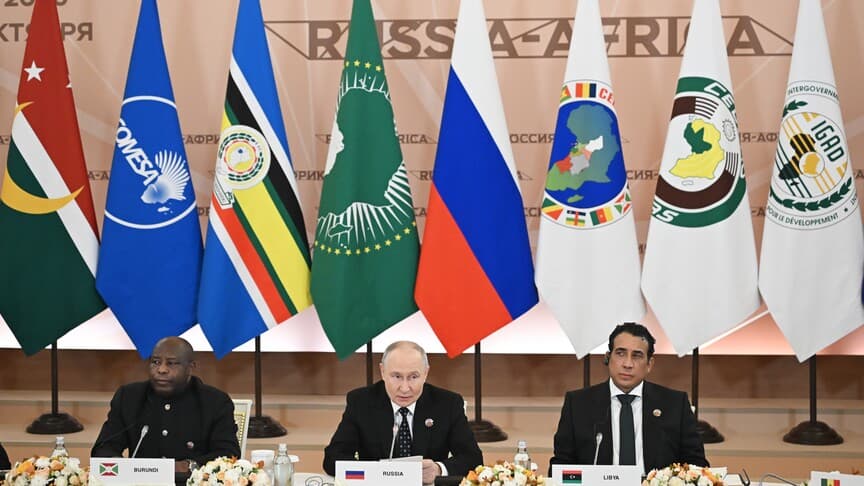
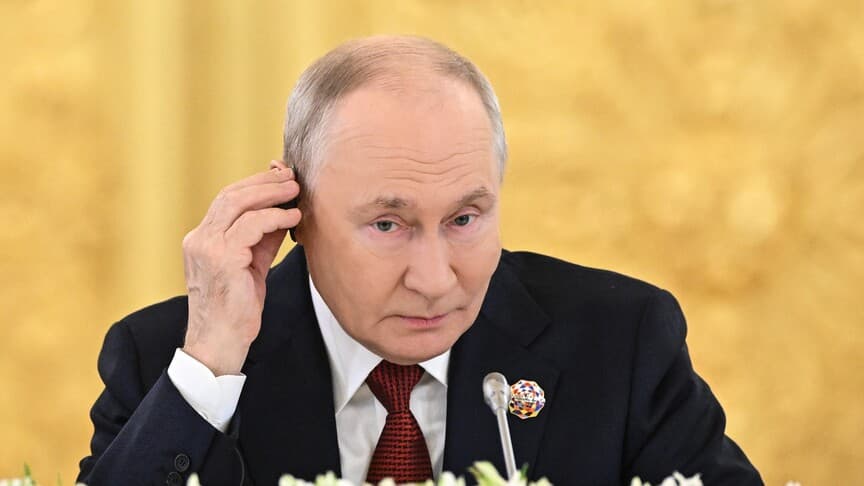
Russian President Vladimir Putin, speaking on Thursday, October 29, at a press conference with Burundian President Évariste Ndayishimiye in Moscow, held following the Third Russia–Africa Summit, said that Russia will continue to act as a 'responsible' supplier of grain to Africa — 'both under contracts and free of charge.' The Anadolu agency reported this.
Energy and representation at the UN
Putin called African countries 'natural partners' in shaping a 'new, more just, multipolar world' and declared a course toward 'truly strategic, multifaceted' partnership. According to him, the summit, which opened on Wednesday and lasted two days, discussed energy in detail: many African leaders noted Moscow's contribution to developing the continent's national power systems. He said that major projects in the electric power sector are being implemented with the participation of Russian companies, including not only traditional generation but also nuclear energy, and that Moscow sees significant interest from African countries in large power plants and small modular nuclear reactors, expressing readiness for 'joint work.' In addition, Putin advocated for permanent representation for Africa in the UN Security Council and international financial institutions, noting coordination of foreign policy, including through the UN.
Comments on Europe and the Baltic Sea
Separately, Putin commented on a recent phone conversation with Finnish President Alexander Stubb and Norwegian Prime Minister Jonas Gahr Støre. According to him, they emphasized that they took part in the conversation as national leaders and subsequently 'faced some criticism,' which Putin declined to assess, adding that in his view it was the right step, since in Europe there are people who want 'constructive dialogue' rather than a 'strategic defeat of Russia.' He stated that Russia supports any steps toward restoring full-fledged relations with European countries, is prepared for a possible conflict with Europe but does not seek one, adding that the goal of a 'strategic defeat' of Russia has not been achieved and it is 'highly unlikely' that this will become possible by 2030, and that in such a conflict 'there will be no winners at all.' As for the Baltic Sea, according to him, Moscow is ready to respond to any challenge but does not want to create tension in the region.