The key facts
- In September, protocols increased by 87.1% compared to August: 20,286 versus 10,843
- For October 1–26, 21,116 protocols were drawn up — 830 more than in the entire month of September
- Since the beginning of the year, protocols have been issued to 134,300 fare evaders; the fine is 44,000 soums
Statistics for three months
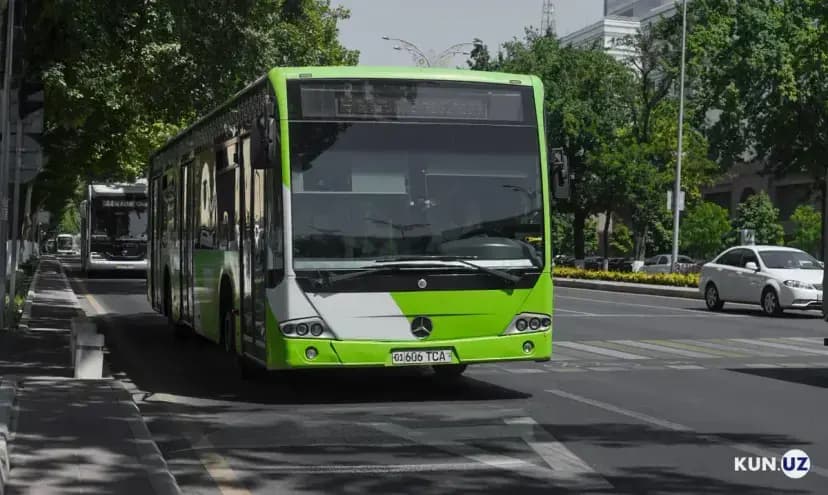
In Tashkent, the number of administrative protocols drawn up against passengers who did not pay their bus fare has risen sharply. According to Toshshahartranskhizmat JSC, 10,843 protocols were issued in August, 20,286 in September (an 87.1% increase), and in the first 26 days of October alone — 21,116, which is 830 more than in the entire previous month. The average daily number of detected violations also increased: from 350 in August to 676 in September and 812 in October. This was reported by UzNews.uz and Zamon.uz citing the company's press service.
The scale since the beginning of the year and context
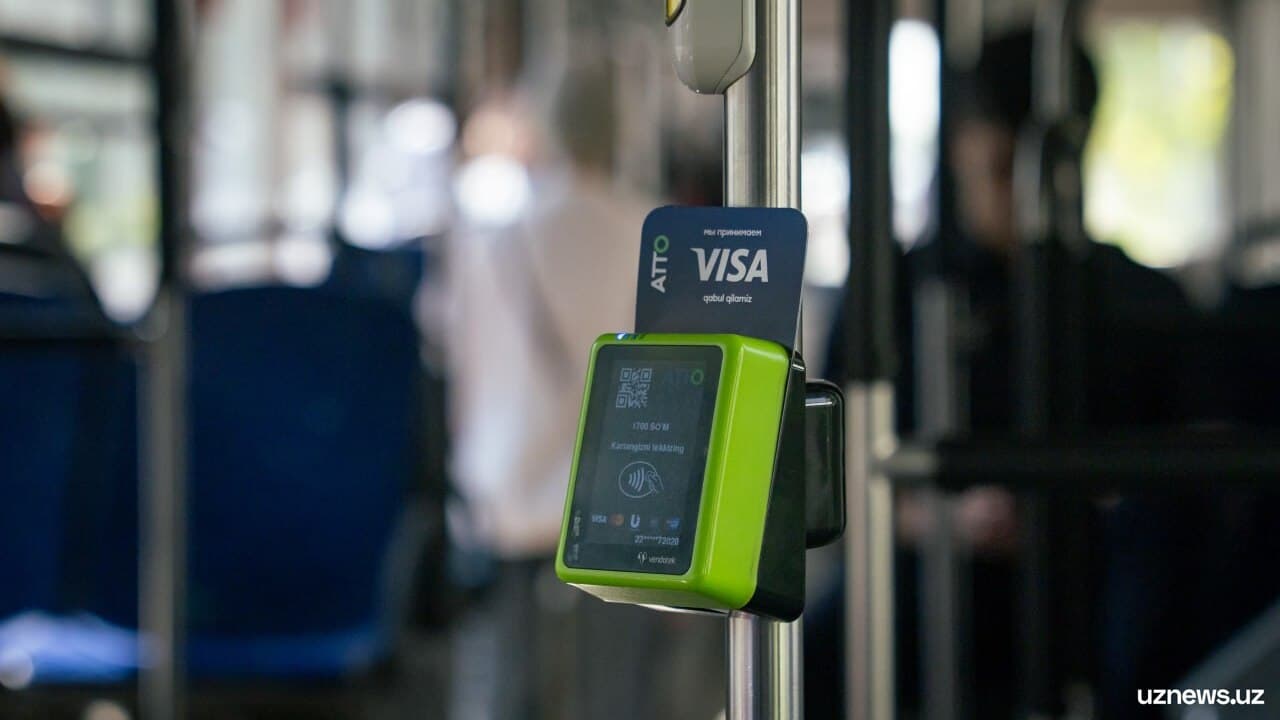
From the beginning of the year through October 26, protocols were drawn up against 134,300 passengers who had not paid their fare. Non-payment is punishable by a fine of 44,000 soums under Part 5 of Article 144 of the Administrative Liability Code of Uzbekistan. Since September 1, a rule has been in effect requiring passengers to pay the fare when boarding the bus — those who fail to pay upon entry are considered fare evaders.
Growth in violations or growth in enforcement?
The agency itself notes that the increase in the number of protocols does not necessarily mean a rise in the number of violators: the statistics are also affected by the expansion of enforcement coverage and improved effectiveness in detecting violators. In other words, the figures reflect both passenger behavior and the intensity of inspections, and it is impossible to separate these two factors based on the published data. Zamon.uz also cites the company's reminder that passengers are required to pay the fare immediately upon boarding, and that compliance with payment discipline 'contributes to the stable operation of the public transport system.'