The key facts
- The 'Gen Z regelt' initiative announced demonstrations in 23 cities; around 134,000 registrations by Tuesday
- The CDU fears a repeat of the French riots and the protests being 'hijacked' by the far left
- Sociologist Sebastian Koos does not expect events on the French scale: the protests are officially registered and organized
The 'Gen Z regelt' campaign and the scale of the action
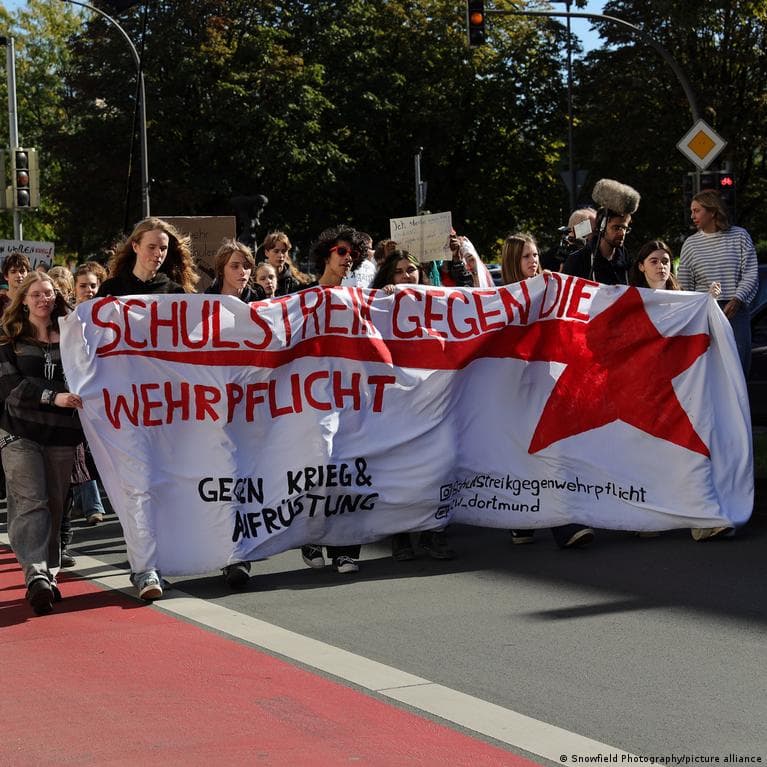
The 'Gen Z regelt' initiative ('Gen Z will sort it out') launched a social media campaign calling for demonstrations in 23 German cities over the coming weekend. According to Deutsche Welle, by Tuesday around 134,000 people had registered on the action's website, and the number could grow by Saturday. 'Generation Z' here refers to those born roughly between 1995 and 2010: participants are dissatisfied with insufficient action against climate change, growing inequality, prospects in education and future opportunities.
CDU concerns after the events in France
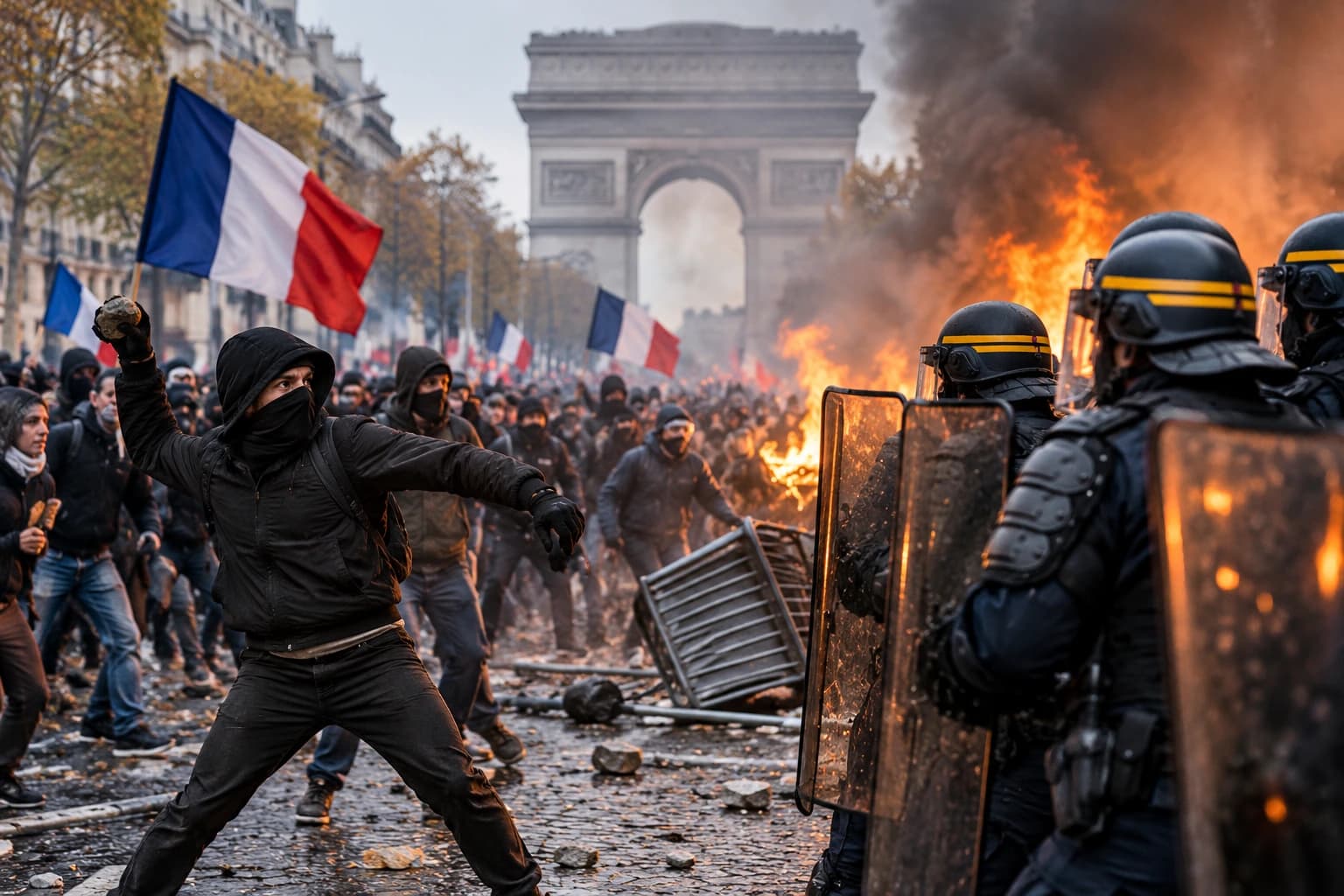
The trigger for concern among German politicians was the events in France, where protests that began largely peacefully escalated into serious riots: cars were set on fire, a hotel in Limoges was burned down, police used tear gas in Lille, Lyon and Toulouse, and numerous arrests were made. Alexander Throm, the CDU parliamentary group's spokesman on internal affairs, told Handelsblatt: 'Scenes like the French ones must be prevented at all costs.' In his view, the demonstrations could be 'hijacked' by far-left groups and criminals from immigrant communities; he warned of a 'sinister alliance' above all in Berlin. Mark Henrichmann (also CDU), chair of the Bundestag's parliamentary committee overseeing the intelligence services, noted that the far-left extremist scene is 'internationally networked and coordinated', and that activists cross borders to commit looting and violence.
Organizers and experts: a peaceful scenario
Sebastian Koos, a sociologist at the University of Konstanz who studies youth and protest movements, does not expect unrest in Germany on the French scale, although the events in the neighboring country were the impetus for the planned actions. According to him, the German protests are 'not driven by the same level of anger': they are planned, officially registered and carefully organized, and the website emphasizes their peaceful and non-violent character. At the same time, he does not rule out that extremist groups may try to exploit the sanctioned demonstrations, and considers good police preparation important.
Discontent with education and the parties' positions
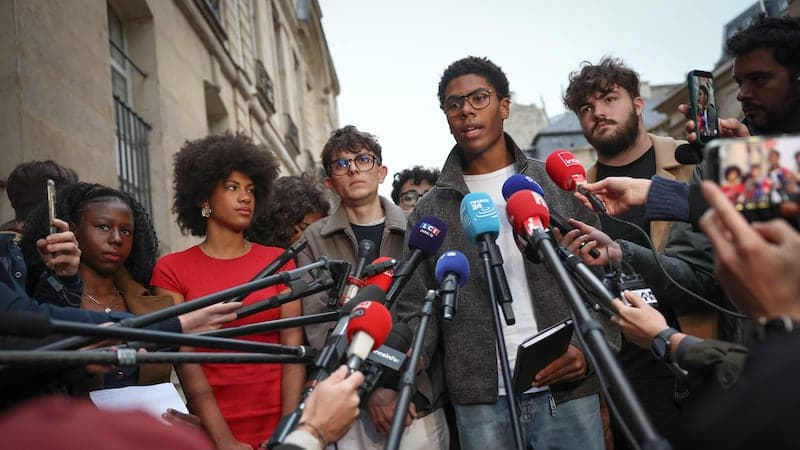
Nineteen-year-old student Quentin Gaertner, who until November of last year served as general secretary of the Federal Students' Conference, representing about 7.5 million schoolchildren in Germany, told Deutsche Welle: 'What unites us is that we have run out of patience with the education system,' pointing to declining academic performance, cuts to teaching positions and insufficient investment in school buildings. He sees in the protests a broader problem of parliamentary democracy: politicians focus on electorally significant groups, and in aging societies the greatest political weight is carried by the elderly and baby boomers. Green Party co-chair Felix Banaszak told ZDF: 'The intergenerational contract no longer works. The older generations have driven the climate into a dead end,' adding that the social security system is at its limit, rents have become unaffordable, and the state offers young people only letters to 18-year-olds suggesting they consider military service — against the backdrop of plans to expand the Bundeswehr and discussions about reinstating national service.