The key facts
- Abdul El-Sayed could become the first Muslim in the US Senate; polls show him tied with Mike Rogers
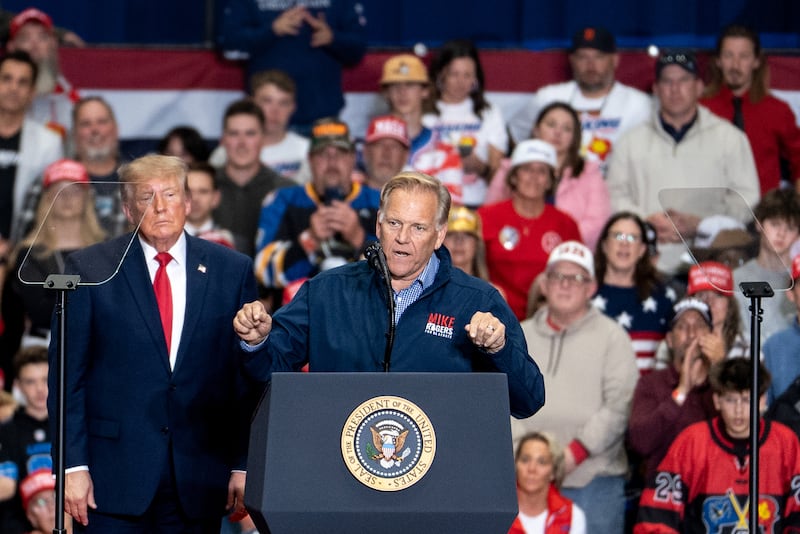
- At a rally in Port Huron, Trump said he wants to 'keep a member of the jihadist Muslim Brotherhood' out of the Senate
- At a rally in Port Huron, Trump said he wants to keep 'a member of the jihadist Muslim Brotherhood' out of the Senate
- Aipac has abandoned direct candidate endorsements and moved to spending through the super PAC United Democracy Project, directing about $9 million in support of Rogers
- Aipac has abandoned direct candidate endorsements and switched to spending through the super PAC United Democracy Project, directing about $9 million in support of Rogers
The race that could decide control of the Senate
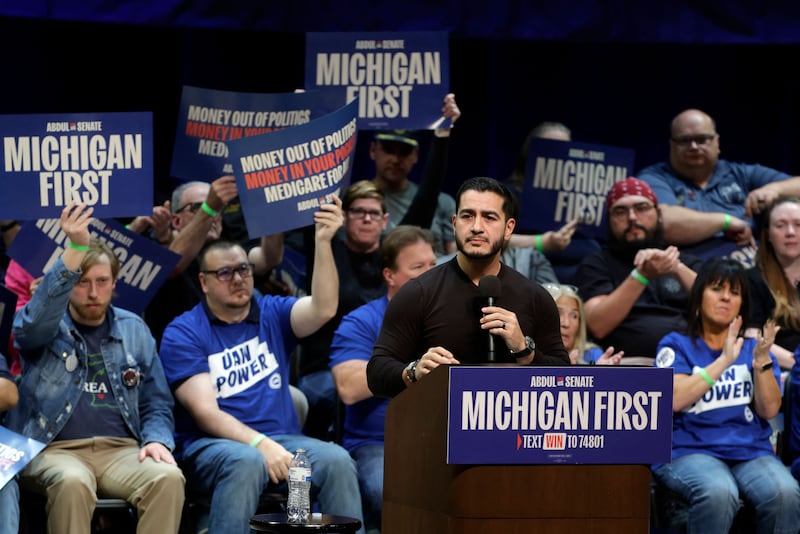
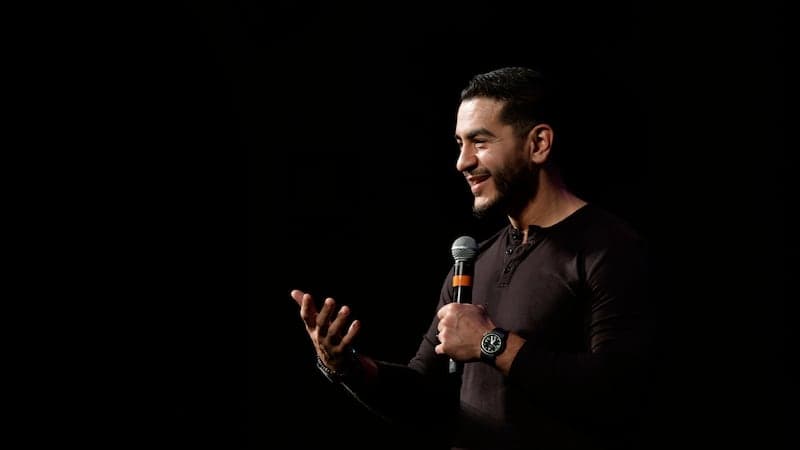
Democrat Abdul El-Sayed, a 41-year-old physician and former health official, will face Republican Mike Rogers, a 63-year-old former Army officer and FBI agent, in Michigan's Senate election on November 3. If he wins, he will become the first Muslim in the history of the US Senate. This is reported by The National in a piece about how the candidate's name has become part of the campaign: 'El-Sayed,' 'El-Sayid,' 'El-Sayad' — his name has been mispronounced for months, sometimes deliberately, and Trump said he would call him 'Mohammed.'
Trump's attacks and the appeal to faith
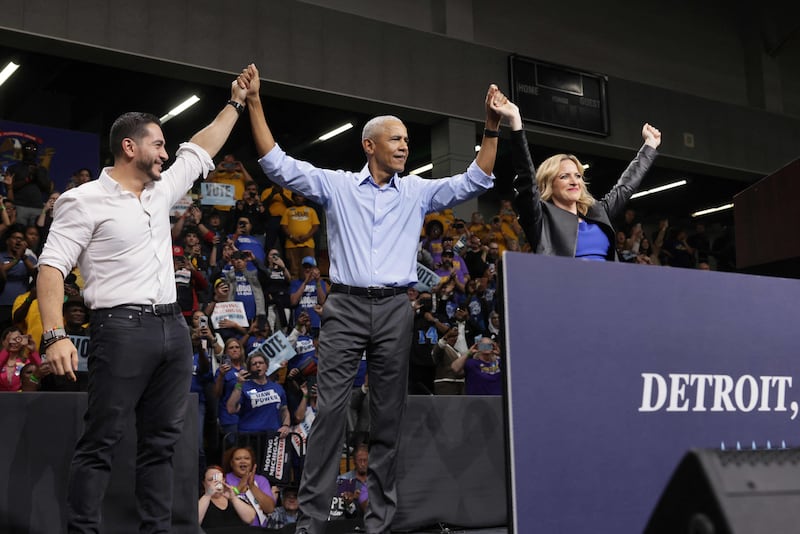
At a rally in Port Huron on October 25, Trump declared: 'I'm here to make sure that a member of the jihadist Muslim Brotherhood does not become a US senator,' and promised that in nine days the people of Michigan would 'defeat Abdul Mohammed.' El-Sayed also rejects accusations of ties to Hamas and Hezbollah that were leveled at him earlier — in mid-October Trump had already accused the candidate of ties to the 'Muslim Brotherhood'. Sahar Aziz, a professor of law at Rutgers University, noted that Republican political messaging in this cycle increasingly relies on anti-Muslim stereotypes, portraying Muslim candidates as a threat to democracy or potential extremists, while Democratic leaders, in her words, did little to counter this. At a rally in Detroit on October 24, Barack Obama appeared alongside El-Sayed and drew a parallel with his own experience: 'We've seen this movie before. I starred in it. It didn't work on me — not in Michigan. It won't work on Abdul.' The candidate himself responded to the jabs this way: 'I don't care how he pronounces my name. Let him call me senator after November.'
Israel, Iran and the economy as the main issues
Foreign policy has taken an unusually prominent place in the race, becoming a fault line in the dispute over Israel and the war with Iran, which intersects with domestic issues — inflation, gasoline prices and taxpayer spending. El-Sayed has called Israel's actions in Gaza a genocide, opposes additional military aid, and in recent weeks has said that Israel should not be considered a US ally, since its government, in his words, dragged Washington into a war with Iran. Rogers, by contrast, supports Israel and continued military aid, and his campaign is built on bringing manufacturing jobs back to Michigan and lowering prices for groceries and gasoline — however, in The National's assessment, his close ties to Trump undermine that message. Polls show the candidates running neck and neck, while Michigan voters, like those across the country, are focused above all on the economy and the cost of living. Republican strategist John Feehery told the outlet: 'Trump is a vulnerability, gas prices are a vulnerability. This is not an easy state for Republicans.'
Aipac's change of tactics
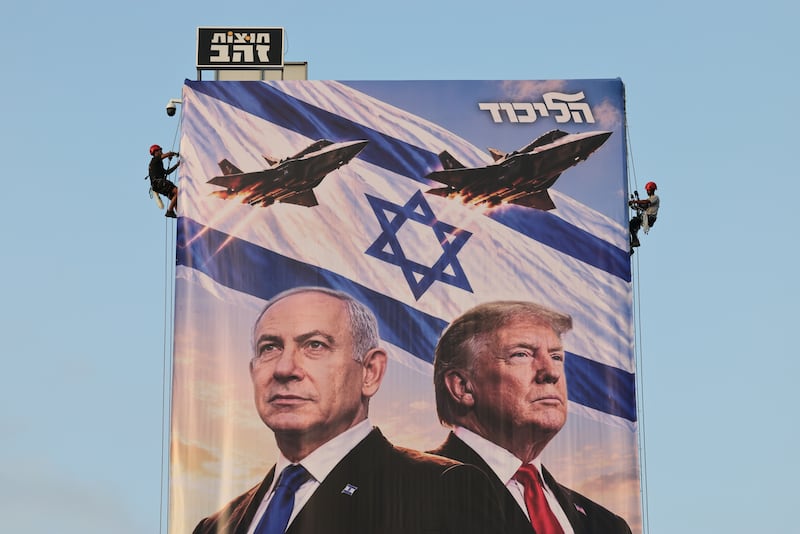
A notable change in the campaign was the decision by the most powerful pro-Israel lobby in the US — Aipac — to abandon candidate endorsements and direct campaign contributions; it now operates through its affiliated super PAC, the United Democracy Project. This came amid growing criticism of Aipac, especially within the Democratic Party, and declining American support for Israel after the war in Gaza. In the Michigan race, the lobby has already invested more than $30 million in an attempt to defeat El-Sayed in the primary, backing Haley Stevens — it was the organization's largest single investment in one election, but in August El-Sayed won the nomination, delivering a major defeat to the lobby. According to The Washington Post, cited by The National, last week Aipac directed about $9 million to a group supporting Rogers in the form of independent political expenditures rather than a direct contribution to his campaign. Notably, Rogers himself was initially wary of Aipac's involvement, fearing that the group's unpopularity would hurt him, but later publicly welcomed its support.
Party backing and the significance of Michigan
El-Sayed's campaign focuses on universal healthcare, raising taxes on the wealthiest, restraining the spread of AI to protect jobs, and ending unconditional foreign military aid. 'It shouldn't be this hard, in the richest and most powerful country in the world, to afford a tank of gas or a second bag of groceries,' he said at a forum in Ann Arbor, where he was joined by independent Senator Bernie Sanders, who stated: 'They can't debate Abdul on the issues, so they attack him for being a Muslim.' Besides Sanders, the candidate has also been backed by the 'establishment': in September, Kamala Harris campaigned with him in Detroit, which angered some of his supporters who blame Joe Biden for the war in Gaza, but it underscored the party's attempts to smooth over the split on this issue. The stakes are high: Michigan is one of the most competitive states of the midterms, and the outcome of the race could determine control of the Senate, where Republicans hold a thin majority — and therefore Trump's ability to advance his legislative agenda over the remaining two years. Meanwhile, Republicans have not won a Senate race in the state since 1994, even though Trump himself won there twice; the state is also home to the largest Arab American community in the US — a key electoral group for El-Sayed.