The key facts
- Rubio joined Trump's campaign rallies for the first time ahead of the November 3 midterms
- The trip was officially explained by his role as national security adviser
- The rally featured a tanker with a million barrels of Venezuelan oil amid rising gasoline prices
A rare campaign appearance
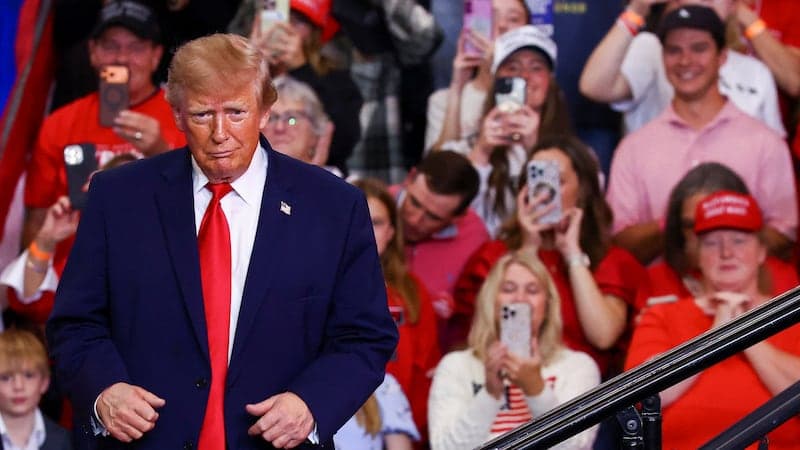
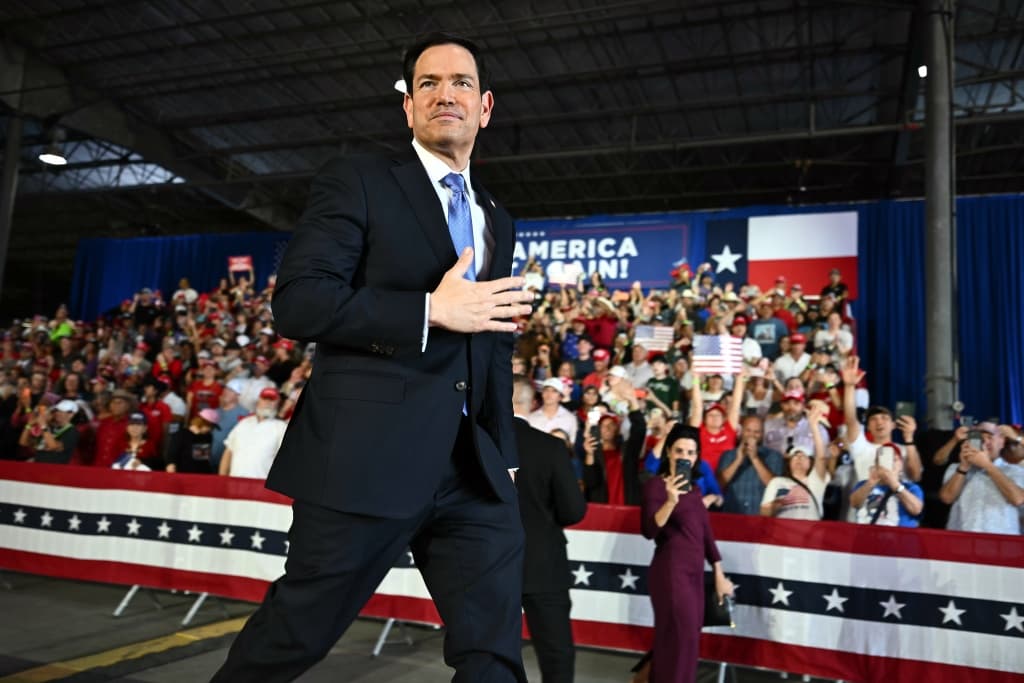
US Secretary of State Marco Rubio on Tuesday joined President Donald Trump on the campaign trail for the first time ahead of the November 3 midterm elections, AFP reports. At a rally in Corpus Christi, Texas, Trump called Rubio onto the stage with the words 'He is so popular' and 'We love Marco,' while the crowd chanted his name. Until now, the first Latino and first Spanish-speaking chief diplomat in US history had deliberately stayed away from campaign trips, focusing on international visits — last week he visited, among other places, Uzbekistan and India, and on Friday and Saturday he is due to host a G20 foreign ministers' meeting in Atlanta.
Official explanation and political context
The State Department officially explained Rubio's presence by saying that he was traveling with Trump in his capacity as national security adviser — Rubio became the first person since Henry Kissinger to hold both key foreign policy posts. According to an official who asked to remain anonymous, 'the president is constantly on the road, and flying with him gives Rubio the opportunity to discuss various issues,' without specifying their nature; AFP notes that this comes against the backdrop of the wars in the Middle East and Ukraine. The outlet also points to the political dimension of the visit: Rubio and Vice President JD Vance are considered the leading contenders for leadership of the Republican Party after Trump in the 2028 election, with Vance actively traveling around the country in recent weeks, while Rubio has not yet declared whether he will run. Trump, who is 80, has not yet endorsed a successor.
A tanker with Venezuelan oil
The centerpiece of the rally was the display of a tanker carrying a million barrels of Venezuelan oil, which, according to Trump, will be refined at Texas refineries. The demonstration was tied to the issue of fuel affordability: world oil prices rose after the US-Israeli strikes on Iran in late February, when Tehran responded by blocking a key energy shipping route — the Strait of Hormuz — driving up gasoline prices and transportation costs. Republicans fear that voter discontent over inflation will lead to a Democratic 'blue wave,' so Trump is holding nearly daily rallies, promising an early drop in gasoline and diesel prices. Relations with Caracas warmed after the US ousted Nicolás Maduro in a military operation in January: Vice President Delcy Rodríguez, who came to power, is complying with Washington's demands to open the energy sector to American companies. Trump's third visit to Texas in a month is itself a reflection of Republican anxiety: polls show a close race for the Senate seat in a state that has been reliably Republican for more than 30 years.