The key facts
- Last year's record was 59,226 finishers; it is expected to be exceeded this year
- More than 240,000 applications from 160 countries — more than ever before
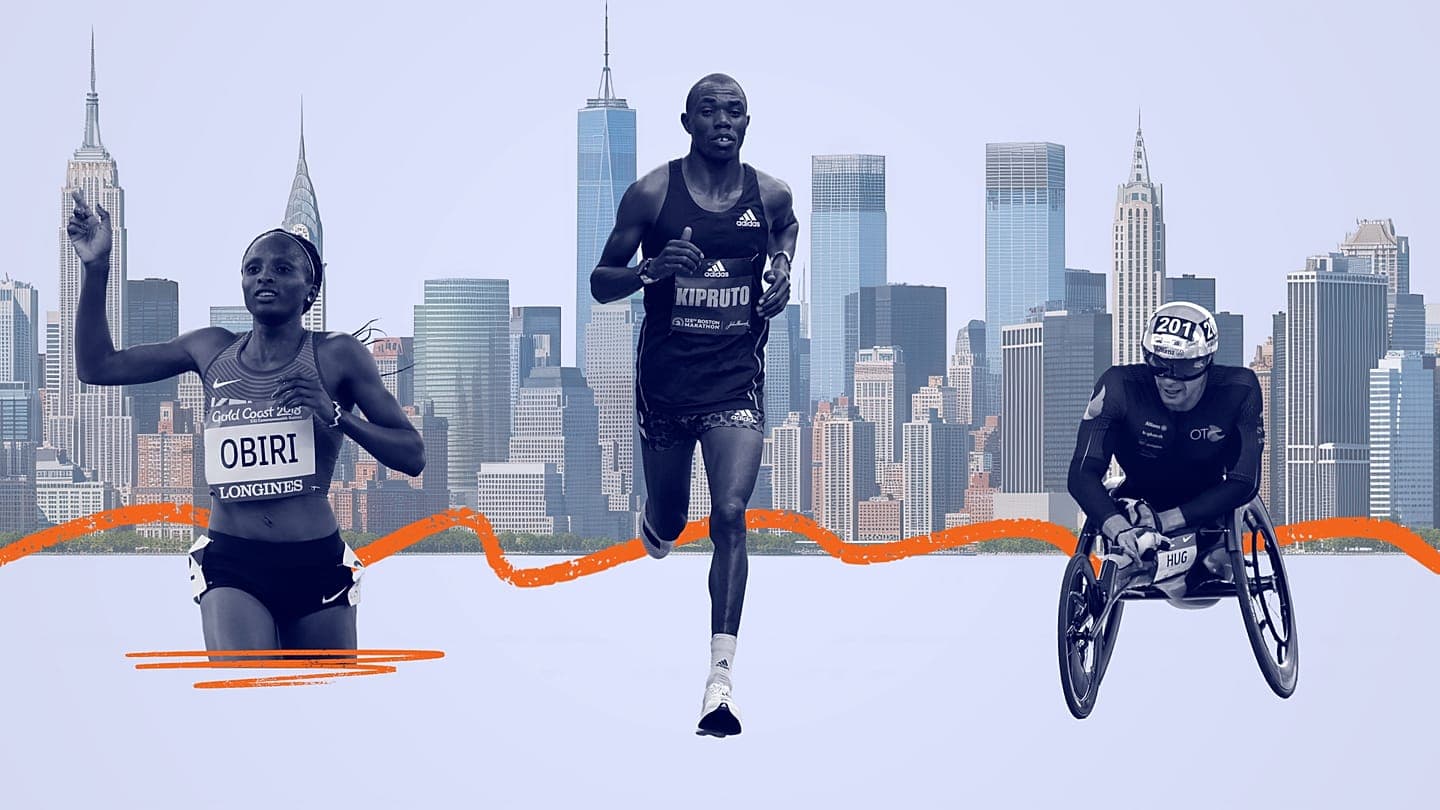
- Past champions Hellen Obiri, Benson Kipruto, and Marcel Hug will return to defend their titles
Record-breaking scale
The New York City Marathon, taking place this coming Sunday, remains the second-largest marathon in the world. Last year a record 59,226 people finished the course, and according to the organizers, this result is expected to be surpassed in 2026. More than 240,000 applications have been submitted — from 160 countries, more than ever before, Euronews reports. Getting into major marathons has become almost as difficult as winning the lottery. An estimated more than two million spectators are expected to line the course.
Elites and amateurs on the same course
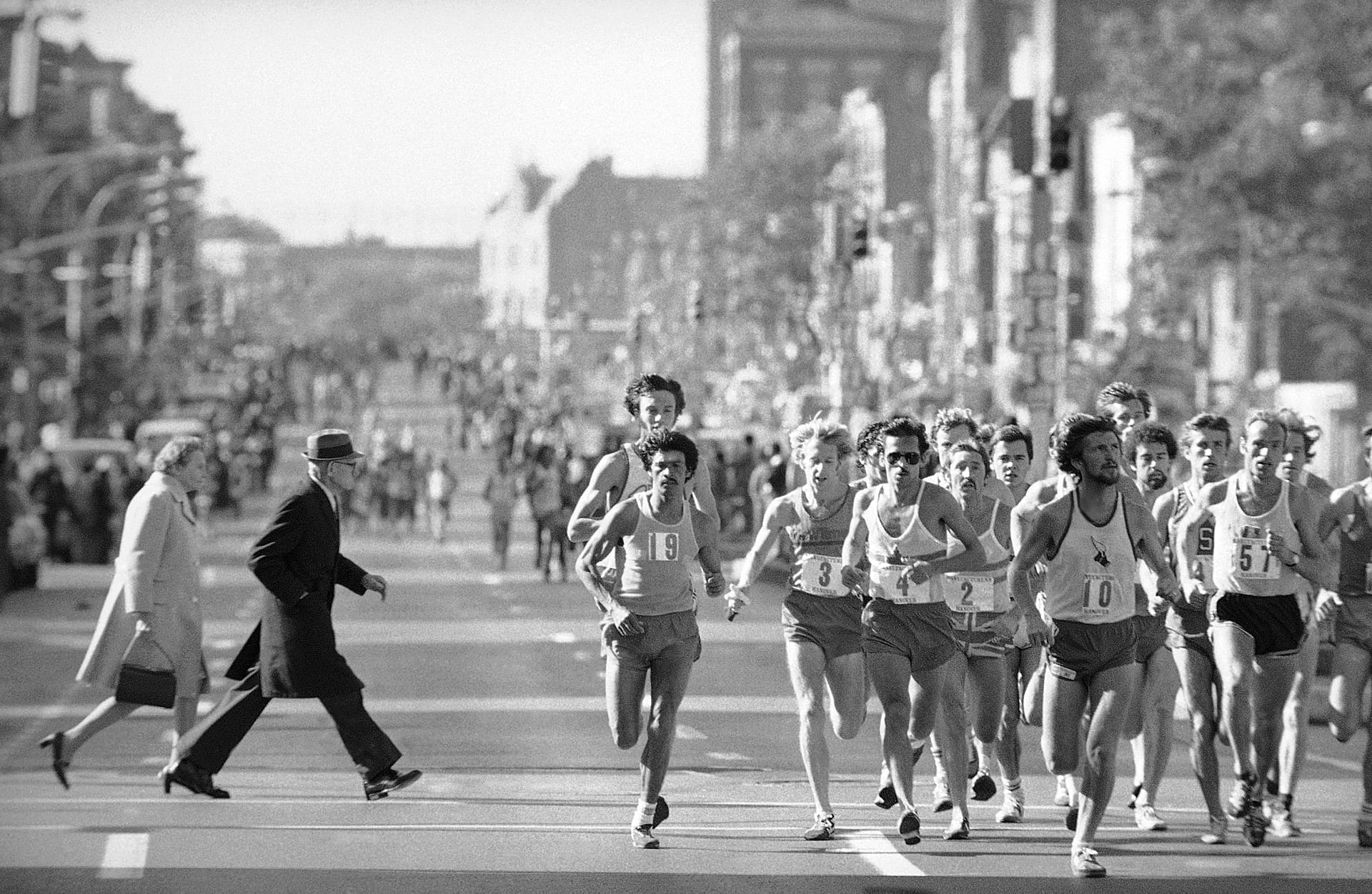
The marathon is one of the few competitions where professionals start alongside amateurs: about 60,000 participants will run the same course as the current world record holders. Past champions will defend their titles: Kenyan Hellen Obiri, Kenyan Benson Kipruto, and Swiss athlete Marcel Hug. The 42.195 km course passes through all five boroughs — Staten Island, Brooklyn, Queens, the Bronx, and Manhattan: the start is on Staten Island, the finish in Central Park.
Why running is back in fashion
The Strava platform links the growing popularity of running with the younger generation: according to its data, Generation Z is 75% more likely than Generation X to cite participating in races as motivation for training. The number of running clubs on Strava has nearly quadrupled over the past year; for most participants, community and group runs matter more than fast results. According to the report, young people increasingly choose live communication and active recreation over passive scrolling.
From four laps in a park to a five-borough city
The first marathon took place on September 13, 1970, and was run entirely in four laps around Central Park: of the 127 starters, 55 finished, the entry fee was one dollar, and the entire budget was $1,000. In 1976, the course was extended to all five boroughs, turning the race into a citywide event; this year's race marks the 50th anniversary of that change. The organizers have also set a fundraising goal of $100 million.