The key facts
- Jordan and Syria have established a joint security committee to investigate the strikes
- Damascus reports seven dead, including three children; Amman says at least 20 ISIS militants were eliminated
- The strikes were a response to an attack on a church in Jordan in which nine people died
Agreement following a phone call
On Tuesday evening, Jordan and Syria agreed to establish a joint security committee that will investigate the circumstances and consequences of Jordanian airstrikes in southern Syria and develop mechanisms for intelligence sharing and on-the-ground coordination. The agreement was reached following a phone call between the foreign ministers of the two countries — Asaad al-Shaibani and Ayman Safadi, as stated in a joint statement (reported by the Anadolu agency).
Discrepant casualty figures and the targets of the strikes
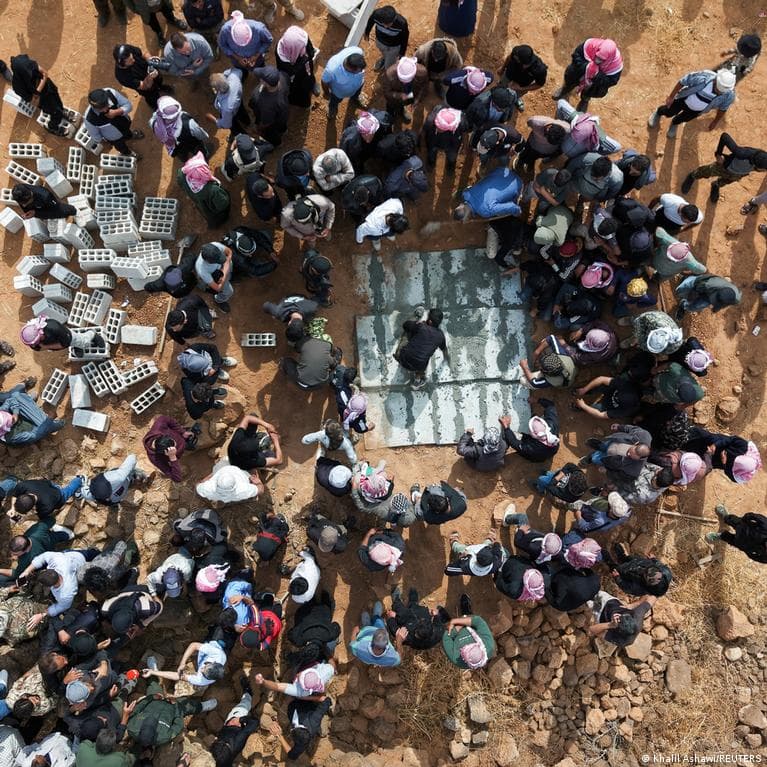
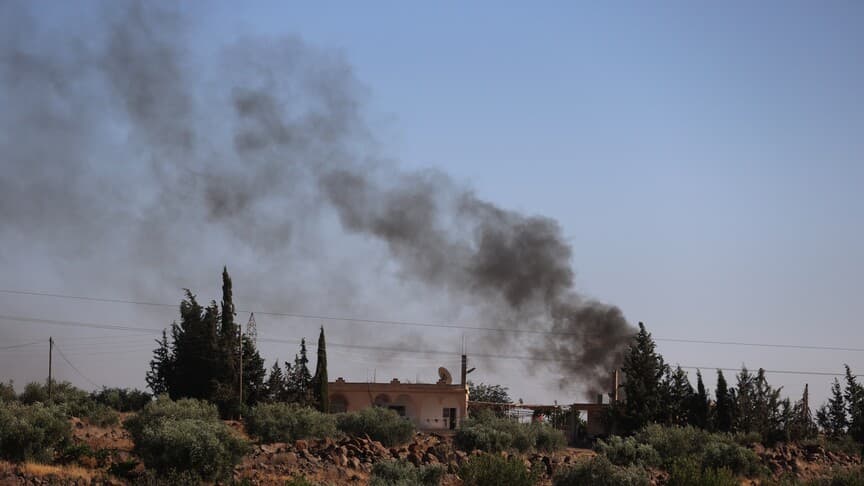
The Jordanian army announced that the strikes carried out overnight into Tuesday were a 'response' to an attack on mourners outside a church in the village of Hamoud in the province of Karak in the south of the kingdom, in which, according to Jordan's Public Security Directorate, nine Christians were killed. Amman said that in the strikes on facilities linked to ISIS, at least 20 militants were eliminated. Damascus, citing the health directorate of the province of Daraa, reported seven dead, including three children, a woman and an elderly man, and three wounded. Notably, even the death toll is assessed differently by the two sides, and none of the figures has independent confirmation in published reports.
Damascus's apologies and grievances
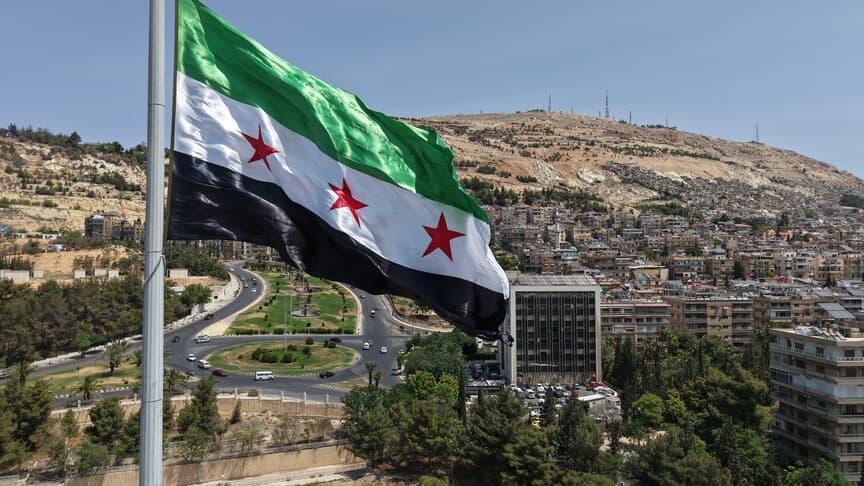
Minister Safadi expressed 'deep regret and sorrow' over the deaths of civilians and offered condolences to the Syrian people, stressing that Jordan values the safety of Syrian civilians as much as that of its own. According to him, the strikes were based on intelligence about confirmed threats and planned attacks on Jordan. The Syrian government, however, stated that the operation was carried out without prior coordination with Damascus, and its foreign ministry conveyed objections to Jordan. In the joint statement, the sides emphasized their 'deep historical' ties and agreed to maintain frank dialogue on any issues that could complicate bilateral relations.
What changes in practical terms
In addition to the investigation, the sides agreed on direct security coordination to counter common threats, protect civilians, and combat cross-border smuggling of weapons and drugs. A practically important consequence of the crisis has already been resolved: Syria announced that on Wednesday it will resume passenger and freight traffic through the Nasib border crossing, which was briefly closed after the strikes. It is the only crossing open to passengers and goods between the two countries, and its operation directly affects traders and people crossing the border. The context of relations remains friendly: Jordan supports the government of President Ahmed al-Sharaa, which came to power in December 2024 after the overthrow of Bashar al-Assad's regime, and King Abdullah II and al-Sharaa agreed to strengthen cooperation, primarily on border security.