The key facts
- Jordan struck ISIS positions in the provinces of Daraa and Sweida, claiming more than 20 militants were eliminated
- A Jordanian minister admitted civilian deaths; Syrian authorities report seven dead, including three children and a woman
- Syria called the strike a violation of its airspace and said there was no coordination, contrary to Amman's claims
Strikes and admission of civilian casualties
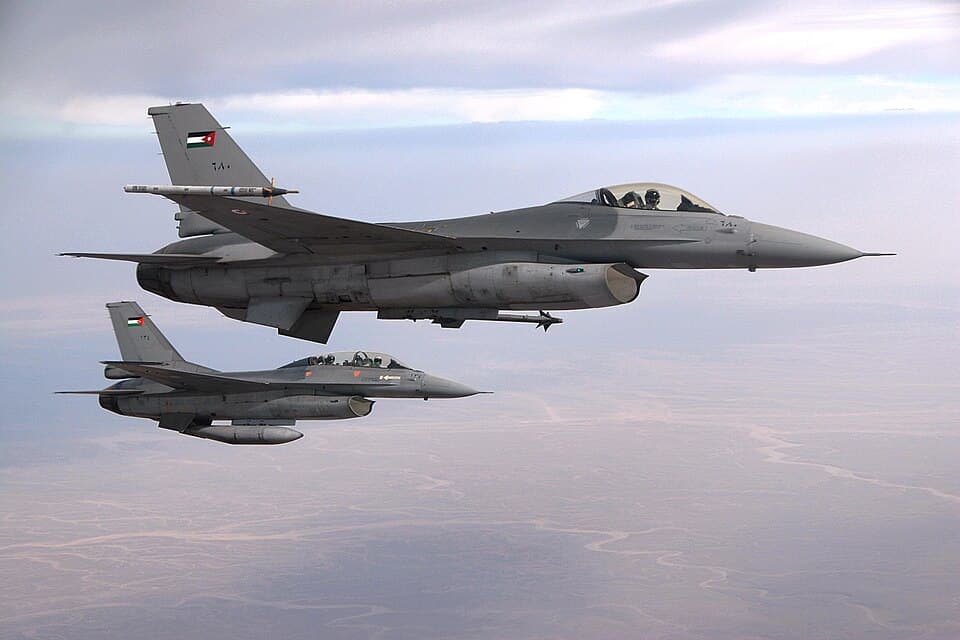
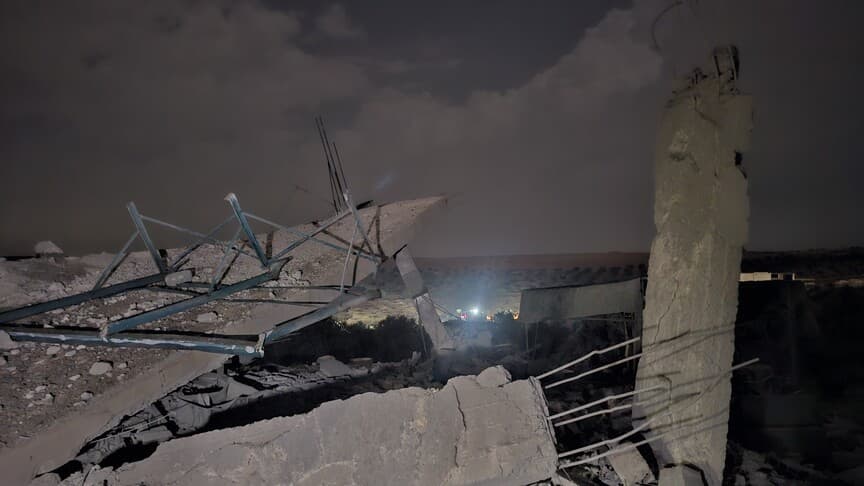
The Jordanian government on Tuesday, October 27, admitted that civilians were killed in airstrikes against so-called Islamic State militants in southern Syria. The strikes were carried out overnight into Monday against 'terrorist groups' in the provinces of Daraa and Sweida in response to an attack last week on a funeral at a Greek Orthodox church in Jordan that killed nine people. The Jordanian side announced 'heavy losses in the ranks of ISIS' — more than 20 militants eliminated — and the destruction of a major weapons depot of the organization, reports Deutsche Welle.
Conflicting casualty figures
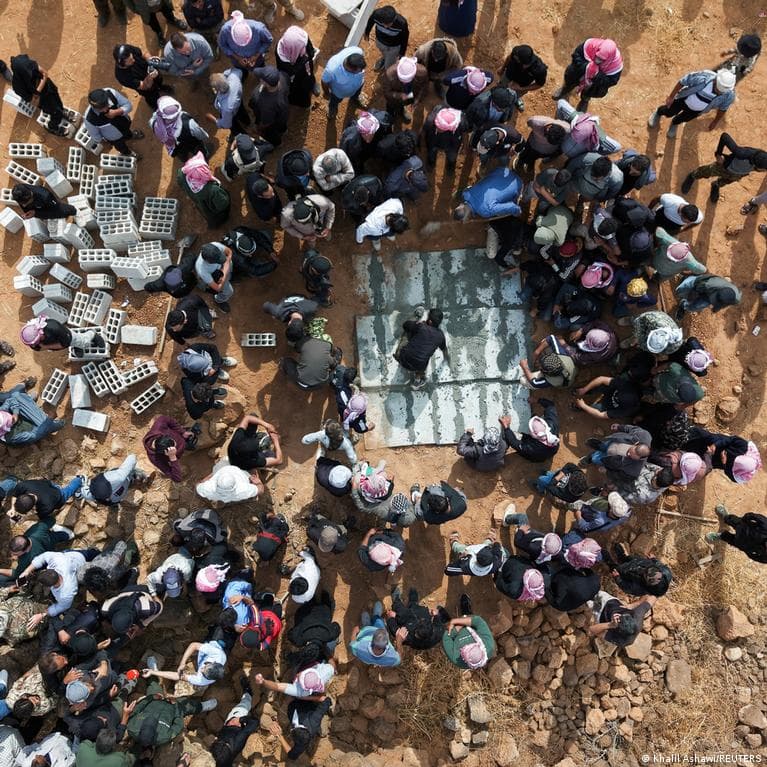
Casualty figures among civilians differ. Syrian authorities said the strikes killed seven people, including three children and a woman; according to reports, two of the dead men were elderly. Masoud al-Salim, a resident of the Syrian border village of Al-Tuff, told the Associated Press that he lost his wife, son and three grandchildren in the strike on his home: 'I ran over and saw that the house was no longer there — no house, no tent, nothing. I could not find anyone.' Jordanian Communications Minister Mohammed al-Momani admitted on Tuesday that civilians had been killed, saying the kingdom regretted it, stressing that 'Jordan always takes every precaution to avoid harming civilians' and that the operations were carried out 'on the basis of field intelligence' against confirmed threats. He also said Jordan refrained from striking sites where intelligence indicated the presence of civilians.
Conflicting accounts with Damascus
The operation drew a sharp reaction from Syria: the foreign ministry condemned the strikes as an 'unacceptable violation' of the country's airspace. The sides' accounts of coordination also contradict each other: Jordanian military officials claimed the strikes were coordinated with Damascus, while the Syrian government said they were carried out without prior coordination and announced an investigation. Despite the incident, Damascus said the leaderships of the two countries would strengthen security coordination to 'thwart any attempts to destabilize the security of the two countries.' Relations between Jordan and Syria remained close after the fall of the Assad regime in December 2024 and the rise to power of transitional President Ahmed al-Sharaa. No group has yet claimed responsibility for the attack on the funeral in Jordan; Jordanian security forces detained three men — two brothers and their brother-in-law — on Monday after a shootout.