The key facts
- The Senate adopted the bill by 229 votes to 105
- Members of groups created for vandalism may be jointly liable for up to 10,000 euros even without personal participation in property damage
- The state will be able to recover damages from family benefits, housing subsidies and the RSA; face covering is banned at all demonstrations
The Senate approved the expanded bill
On 28 October 2026, the French Senate approved a bill making protest participants financially liable for damage caused during demonstrations. The document was adopted by 229 votes to 105 with the support of a right-wing and centrist alliance holding a majority in the upper house. The bill now goes to the National Assembly, where deputies' political positions differ significantly, notes euronews.
Origin and content of the document
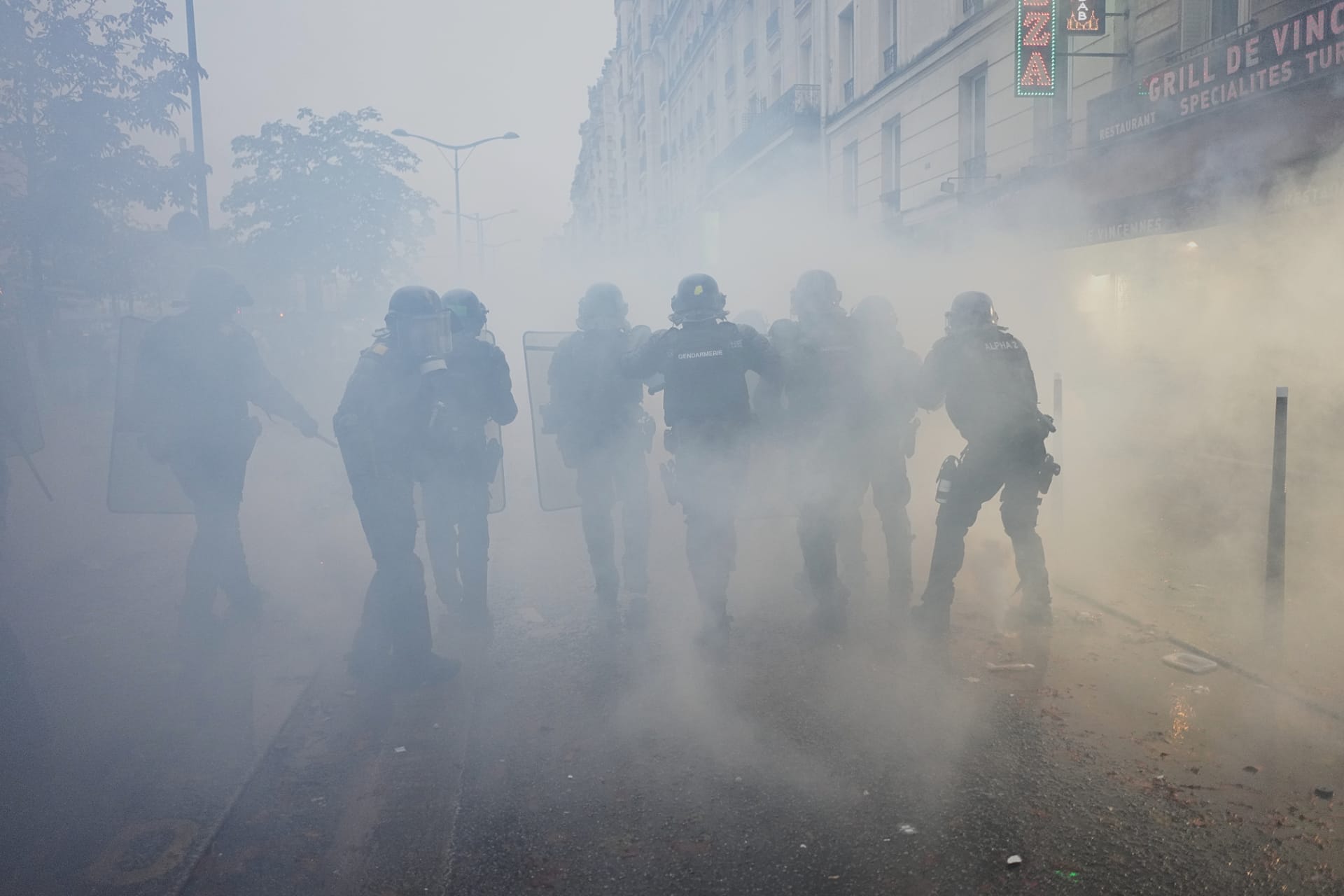
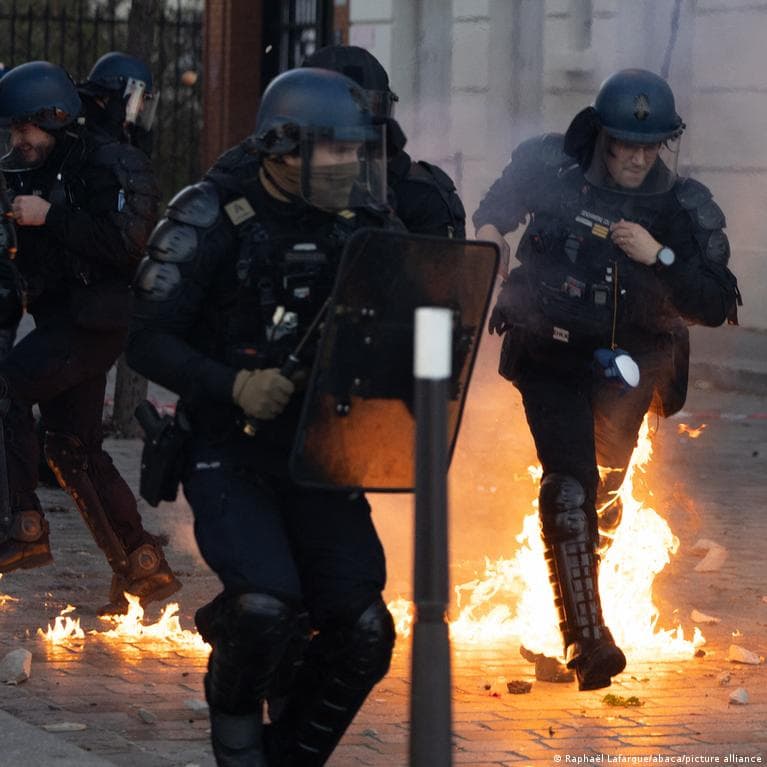
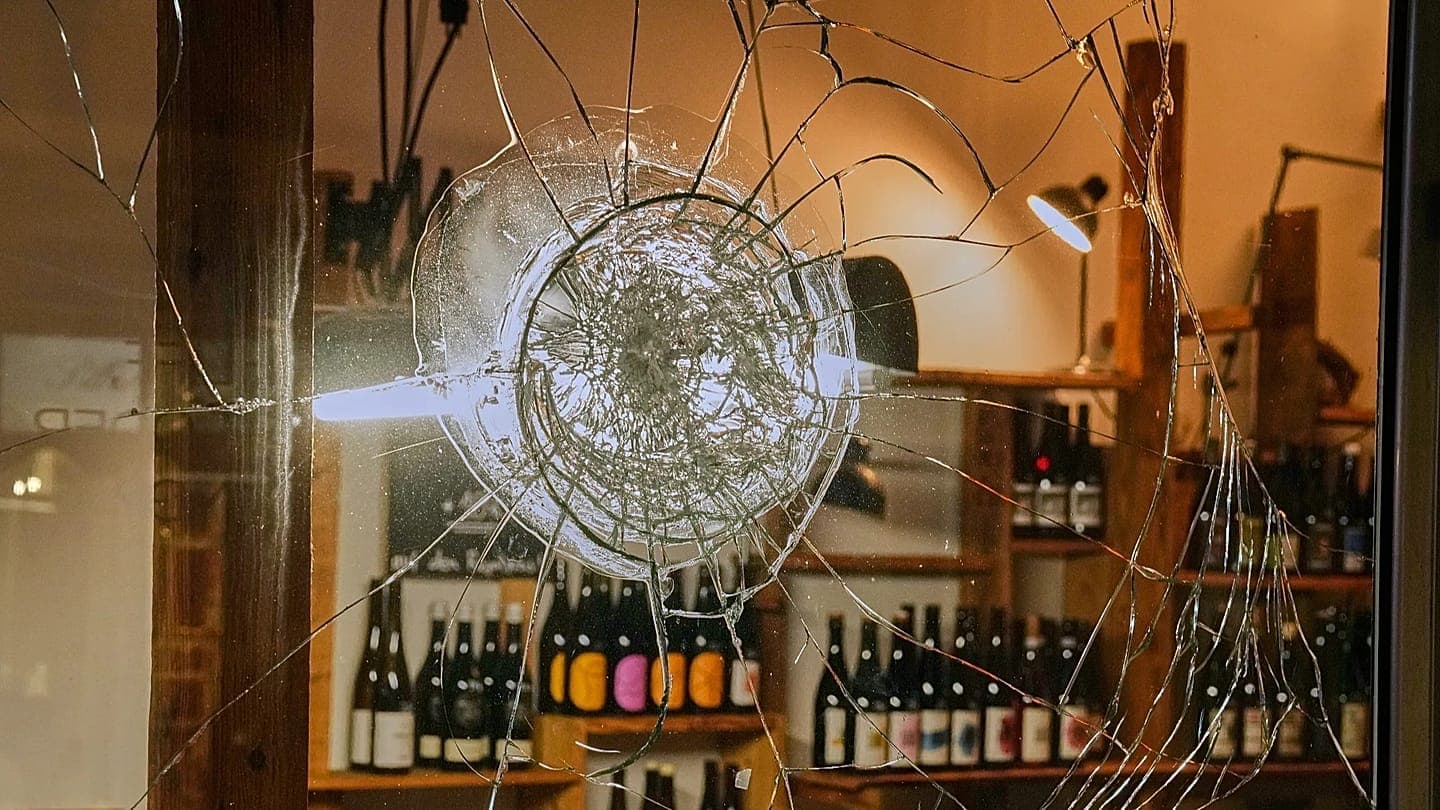
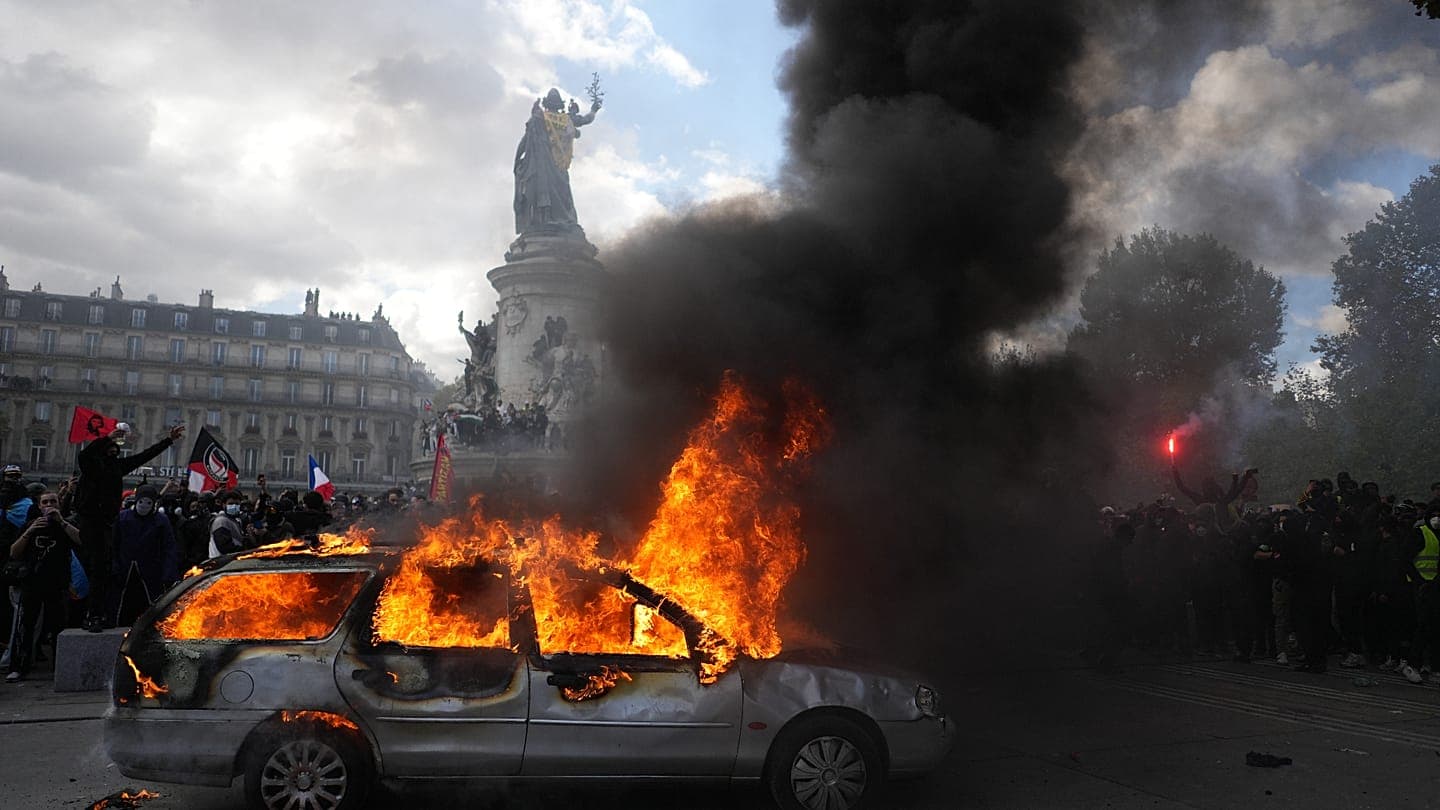
The bill originally comprised five articles and was drafted in the summer of 2025 after the riots that followed PSG's victory over Arsenal in the UEFA Champions League final. It gained particular urgency after 17 October 2026, when protests against social inequality and rising prices escalated into riots: thousands of shops and commercial premises were damaged or looted. Interior Minister Laurent Nuñez stressed the urgency of responding to the damage and chaos of that day: 'We can no longer allow the overwhelming majority of our fellow citizens to pay for the actions of a handful of vandals.'
Key measures
The Senate toughened the original text, adding around two dozen new provisions. The main measure introduces joint civil liability: even those who did not personally damage property but 'knowingly joined' a group created to commit such acts may be held liable — up to a sum of 10,000 euros. If the law is adopted by the National Assembly, the state will gain the right to recover funds from family benefits, housing subsidies and the revenu de solidarité active — a benefit guaranteeing a minimum income. A separate amendment concerns face covering: from Article 431-9-1 of the Criminal Code (one year in prison and a 15,000-euro fine), senators removed the clause on demonstrations 'during which violations of public order occur or may occur' — the ban now applies to any demonstration.
Criticism and the European context
Critics warn that financial liability could affect people who did not personally cause damage, and the possibility of deducting social payments drew objections from left-wing lawmakers and human rights advocates. Amnesty International stated that the measures could 'push already marginalised families even deeper into poverty.' According to euronews, this is not the first such step in Europe: in Italy, a new security decree provides for prison terms of 4 to 12 years for organisers of groups involved in riots and looting during protests. The fate of the French bill remains uncertain: the vote in the National Assembly is still to come.