The key facts
- The ceasefire in Oleshky has been in effect since 3:00 (01:00 GMT) Tuesday; by evening neither side had reported violations
- The regime is to remain in force until 22:59 Sunday and covers the entire Kherson region
- The city's population has shrunk from ~24,000 to ~2,000 people, including up to 50 children
The ceasefire is holding
A local ceasefire between Ukraine and Russia, intended to open access for humanitarian aid to the occupied city of Oleshky in the south of Kherson region, was observed throughout Tuesday without violations, according to both sides. The regime came into effect at 3:00 a.m. local time (01:00 GMT). Ukrainian Human Rights Commissioner Dmytro Lubinets said on Facebook that by 5:30 p.m. (15:30 GMT) the ceasefire was still being observed and was to remain in force until 10:59 p.m. on Sunday; his staffer clarified that it covers the entire Kherson region. The Russian side also confirmed compliance with the regime. AFP reported this.
Conditions for evacuation
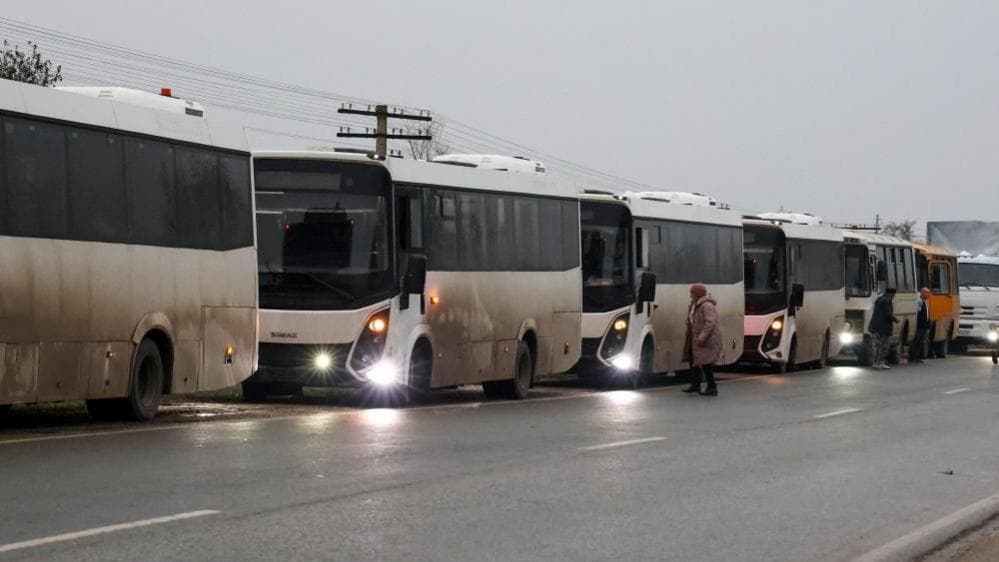
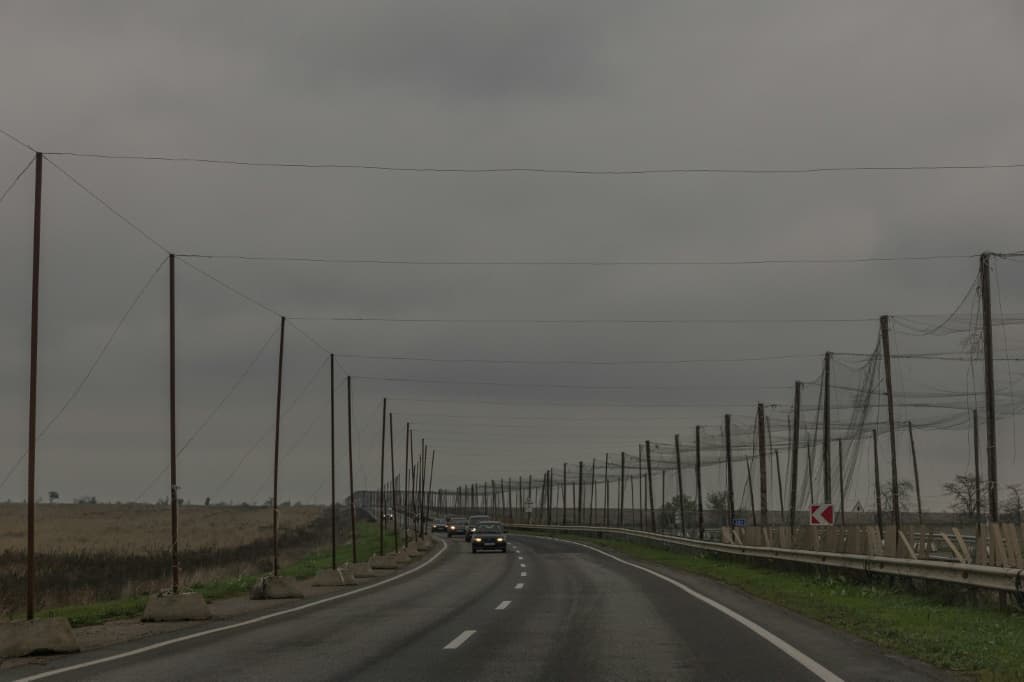
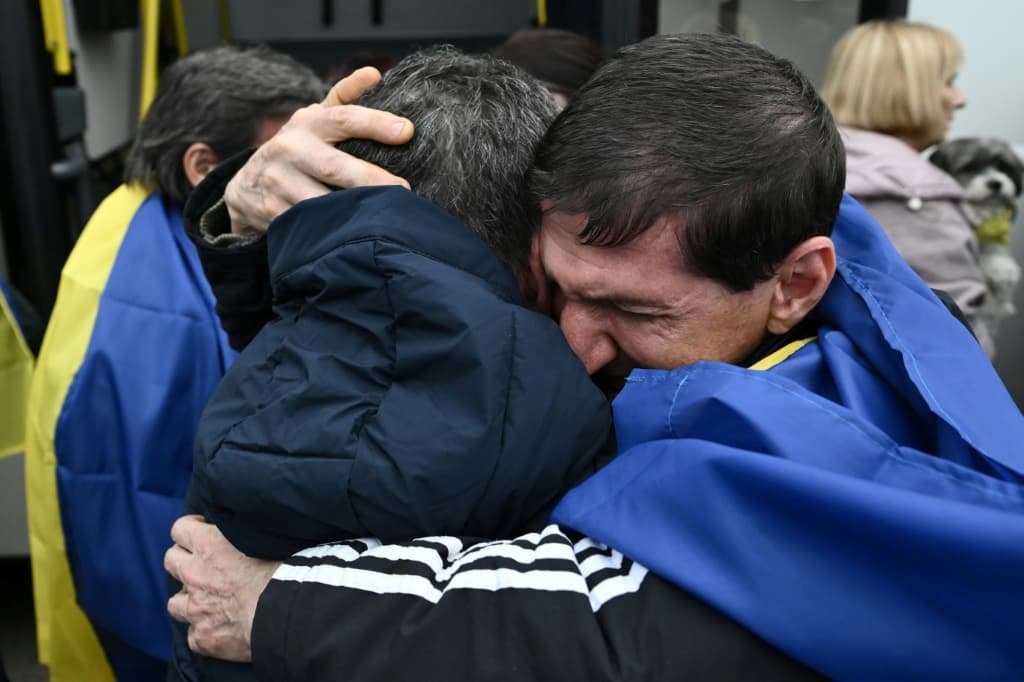
The ceasefire was announced on Friday by US First Lady Melania Trump: according to her, civilian officials from both countries will go door to door to residents, determine the needed assistance, and those wishing to evacuate will receive coordinated support and transport to a destination of their choice — some, she expects, will want to leave for Russia, some for Ukraine. Moscow's appointee in Kherson region, Vladimir Saldo, told Russian media that evacuation is possible to occupied Crimea or Rostov, but one will have to wait for the heavily mined road out of the city to be demined. AFP could not immediately verify the details of the humanitarian mission or the reduction in the intensity of fighting: the Russian army usually does not allow international media into occupied territories. The American channel Newsmax said it had received 'exclusive television access' to accompany observers entering the city on Thursday.
Humanitarian situation
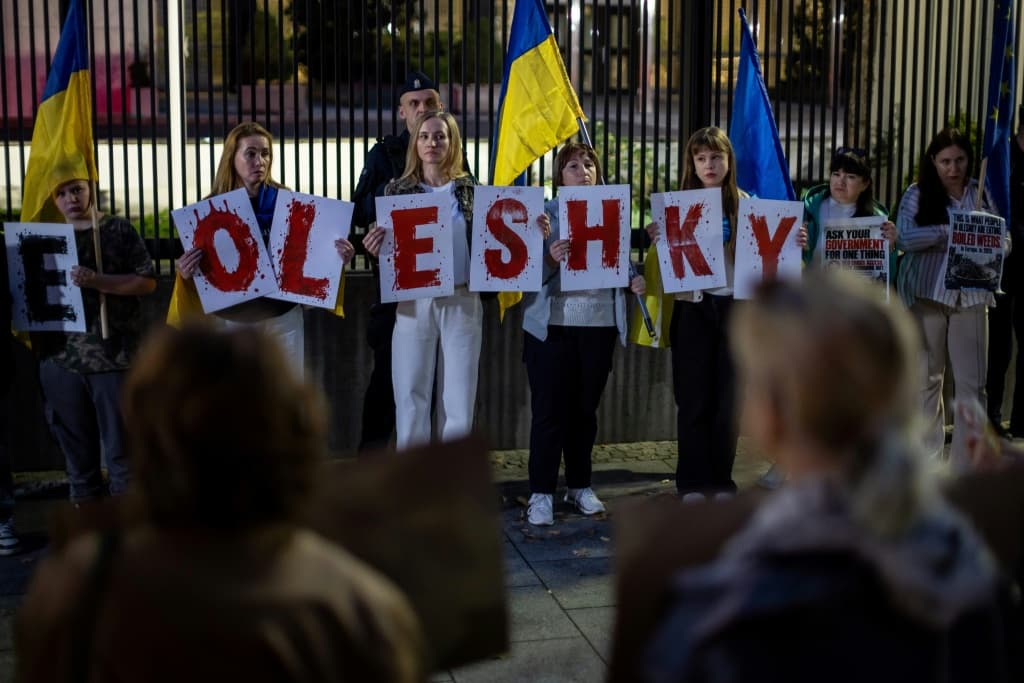
Oleshky, on the southern bank of the Dnipro, was captured by Russian troops in 2022. According to Ukrainian and American estimates, the population has shrunk from about 24,000 to 2,000 people, including up to 50 children. Former residents told AFP last month that those remaining are starving, lack medicines, and cannot easily leave the city: some hunt pigeons to survive and have 'forgotten what bread tastes like.' The Ukrainian army published drone footage showing rows of empty, burned-out, or partially destroyed apartment blocks. Former resident Olha (surname withheld for security reasons) called the possibility of evacuation 'very good news' and said her acquaintances are ready to leave.
Context and negotiations
Outside Kherson region, fighting continued: ballistic missiles hit a university campus in Kyiv on Monday evening, and an overnight strike targeted the Southern Bridge across the Dnipro. In Bryansk, according to the regional governor, two people were killed in a bomb drop; in occupied Luhansk region, according to Moscow-appointed governor Leonid Pasechnik, Ukrainian strikes killed four people. David Arakhamia, a member of the Verkhovna Rada who took part in negotiations with Russia in 2022, called the ceasefire 'the largest de-escalation since 2022.' US mediation talks between Moscow and Kyiv are to resume in November — they have been effectively frozen since February, when the US and Israel carried out joint strikes on Iran. On Tuesday, the President of Finland and the Prime Minister of Norway held an unscheduled call with Putin, describing it as 'candid and substantive.'