The key facts
- Turkey presented a Digital Sovereignty Strategy to reduce dependence on foreign technologies.
- The Cybersecurity Council, chaired by Erdogan, approved priorities for protecting critical infrastructure and technological independence.
- Implementing the strategy will require stronger inter-agency coordination and cooperation with the private sector and academia.
Turkey's Digital Sovereignty Strategy
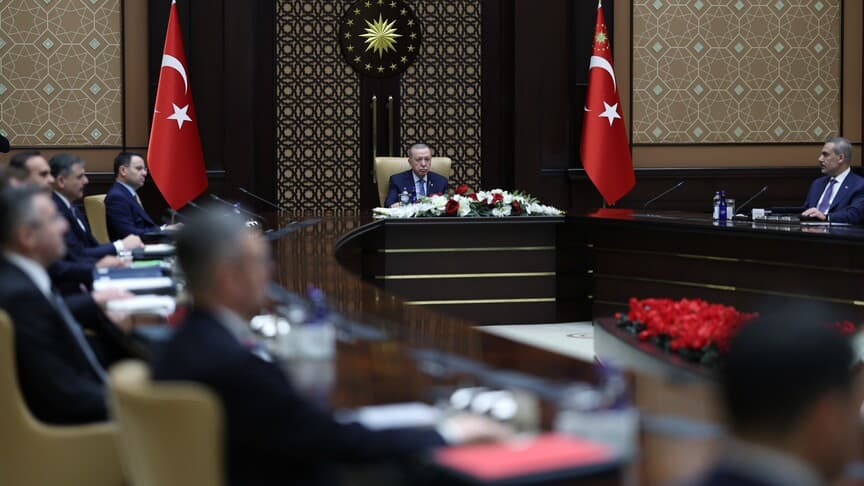
In Turkey, at a meeting of the Cybersecurity Council chaired by President Recep Tayyip Erdogan, the Digital Sovereignty Strategy was presented. The document, prepared on the instructions of the Directorate of Communications, is aimed at strengthening the country's independence in the digital sphere and reducing dependence on foreign technologies in critically important sectors. During the discussion, participants examined the impact of global geopolitical events on cybersecurity, as well as new threats associated with the development of artificial intelligence, algorithmic manipulation, and cognitive influence through digital platforms.
Priorities and Implementation Mechanisms
The Council identified the protection of critical infrastructure, the strengthening of national cyber resilience, and the achievement of technological independence as key strategic priorities. It was decided that measures under the Digital Sovereignty Strategy will be implemented by the relevant government agencies and organizations within their respective competencies, with the implementation process subject to effective monitoring and regular progress assessments. Particular attention was paid to the need for inter-agency coordination and the development of joint risk-assessment capabilities, given the ability of cyber threats to spread rapidly and affect several sectors at once.
Cooperation and Ecosystem
Participants in the meeting reaffirmed their commitment to deepening cooperation between government institutions, the private sector, and the academic community. The goal of these efforts is to build a comprehensive cybersecurity ecosystem capable of withstanding modern challenges. The Directorate of Communications' statement does not specify a concrete timeline for the full implementation of the strategy or a list of regulatory acts already adopted, but it emphasizes that risk assessments and threats will be continuously reviewed in light of the changing dynamics of cyber threats.