The key facts
- Kim's team, in the journal Scientific Reports, dated the painting's sky to approximately 22 July 1889 instead of the accepted June 1889
- The argument: in mid-June 1889 the Moon was not a thin crescent as in the painting; on 22 July the view matched, including the Hyades and Venus
- Aragón considers the July date a hypothesis: Van Gogh painted the picture in his studio from sketches and memory, and the sky may be composite
The pre-dawn sky of 22 July 1889
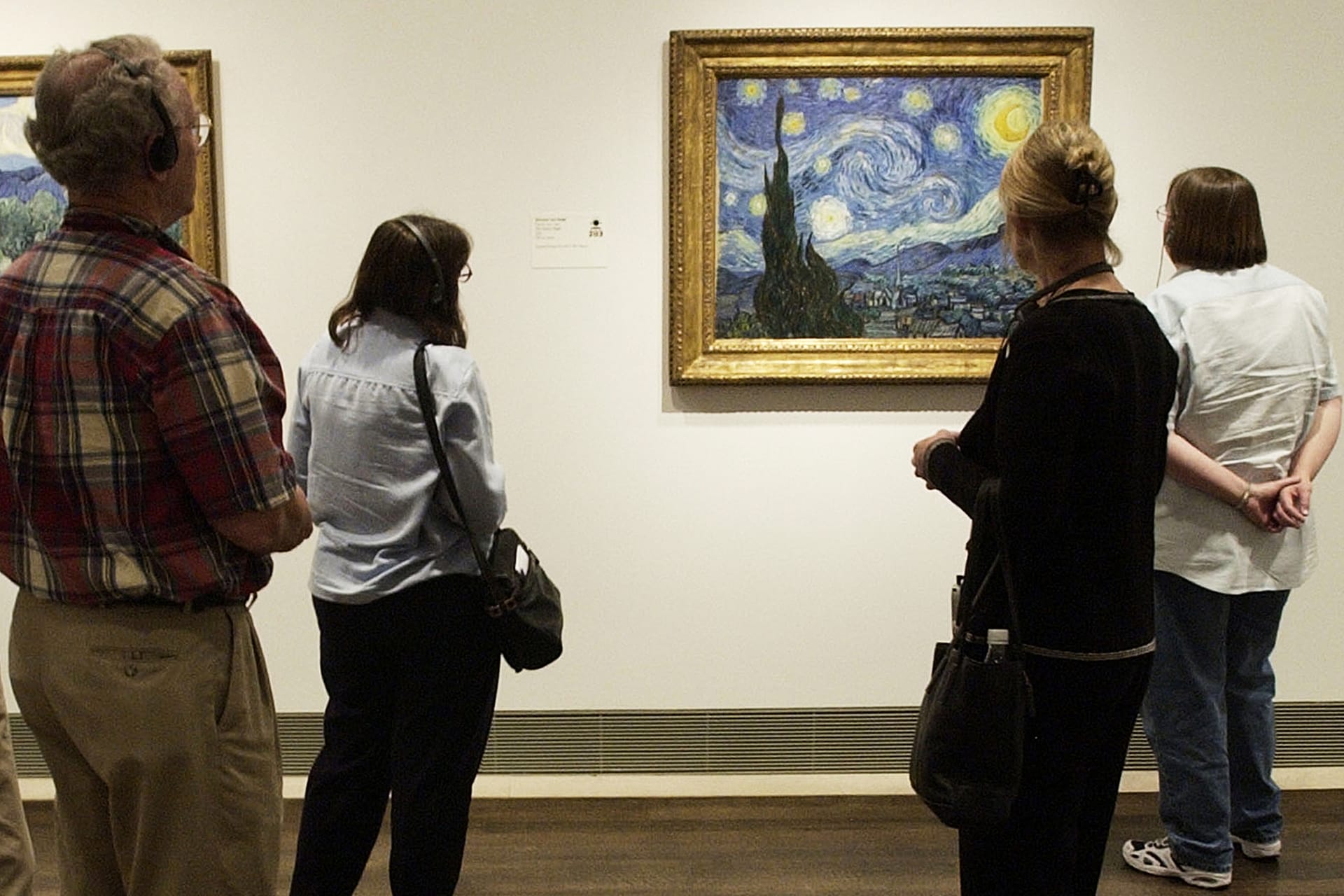
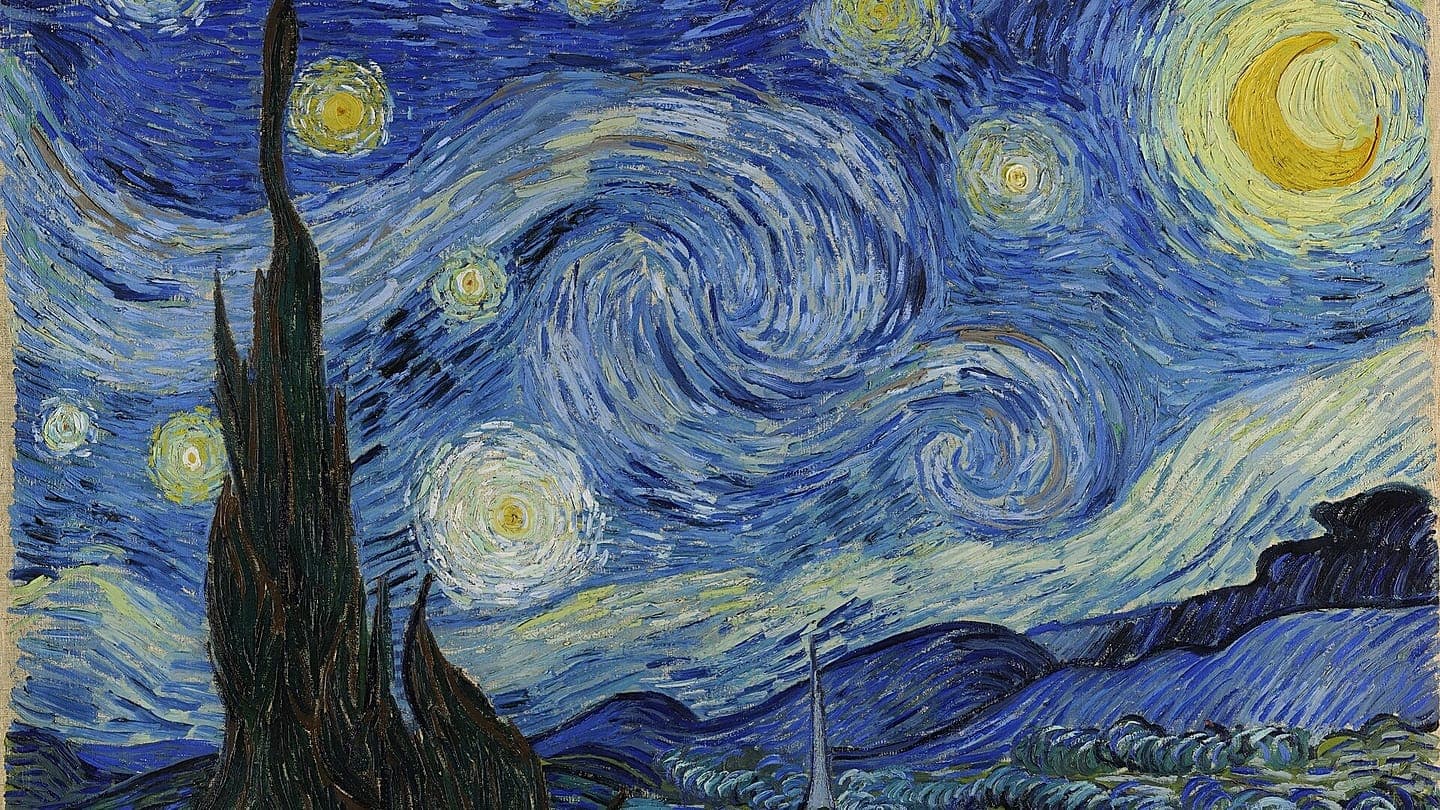
More than a century after The Starry Night was created, scientists have tried to determine the real sky that inspired Vincent van Gogh — and their conclusion may shift the accepted date of the masterpiece. A South Korean team led by Elijah Chong-hyun Kim, CEO of a Seoul-based telescope manufacturing company, has published a study in the journal Scientific Reports in which the painting is matched against the pre-dawn sky over Saint-Rémy-de-Provence around 22 July 1889. Euronews reported this, citing the journal publication.
What changes and why it matters
Art historians have traditionally dated the canvas to June 1889, shortly after Van Gogh entered the clinic — a few months earlier, during a quarrel with Paul Gauguin, he had cut off his left ear. The new dating is a month later. The team's argument: in mid-June 1889 the Moon was not a thin crescent as depicted in the painting — this 'real puzzle' was noted by physicist José Luis Aragón of the National Autonomous University of Mexico, who was not involved in the work himself. According to Kim and his colleagues' calculations, around 22 July the Moon before dawn had the shape shown in the painting, and in the east, next to Venus, the Hyades cluster in the constellation Taurus was rising; an analysis of meteorological data showed that the sky was probably clear enough for observation. The team tested its methods on the night skies of other paintings — Aragón called the work 'a thorough and truly interdisciplinary study'.
Cautious assessments and the main caveat
Kim himself expressed confidence in the new date: 'No two skies are ever the same; something always changes. I am sure Vincent noticed these changes and transferred them into the painting,' he wrote in an email, adding: 'I am convinced that 22 July is the more accurate date. I am ready to bet on it.' Aragón, however, called the July dating 'rather an intriguing hypothesis than a final answer'. The key caveat concerns the artist's very method of working: Van Gogh painted The Starry Night not at the window but in the clinic's studio, relying on sketches and memory. Therefore, as Aragón emphasises, the celestial motifs of the painting may not correspond to any single night sky — 'the depicted sky is most likely a composition of many nights', which the authors of the study themselves acknowledge. Thus, the question of the exact date of the sky in The Starry Night remains open.