The key facts
- Daily diesel output at Russian refineries rose from ~160,000 tonnes in the first half of October to almost 180,000 tonnes
- The increase began after export quotas were granted in mid-October and the Putin–Trump agreements of October 9
- According to Reuters sources, export capacity could exceed 1 million tonnes per month; the government is expected to keep the quota mechanism
Diesel output has returned to September levels
Russian oil refineries have increased daily diesel fuel output to almost 180,000 tonnes after the easing of export restrictions. As recently as the first half of October, the plants were producing about 160,000 tonnes per day, Reuters reports, citing two industry sources. The figure has returned roughly to September levels, when refineries produced about 175,000 tonnes daily — before that, in early October, output had fallen noticeably due to restrictions on foreign shipments.
What has changed and who it affects
The increase in production began after oil companies were granted new export quotas in mid-October: producers once again gained opportunities to export. According to the agency's sources, domestic diesel consumption in October stands at roughly 140,000 tonnes per day — demand traditionally declines after the end of the harvest campaign and the summer road haulage season. At current production rates, export capacity could exceed one million tonnes per month, of which between 200,000 and 300,000 tonnes, it is assumed, will be needed by neighbouring countries that receive Russian fuel under intergovernmental agreements. At the same time, as Reuters sources expect, the government will keep the current restrictions mechanism in place and continue regulating exports through separate quotas, adjusting shipments depending on production volumes and the needs of the domestic market.
Link to the agreements with the US
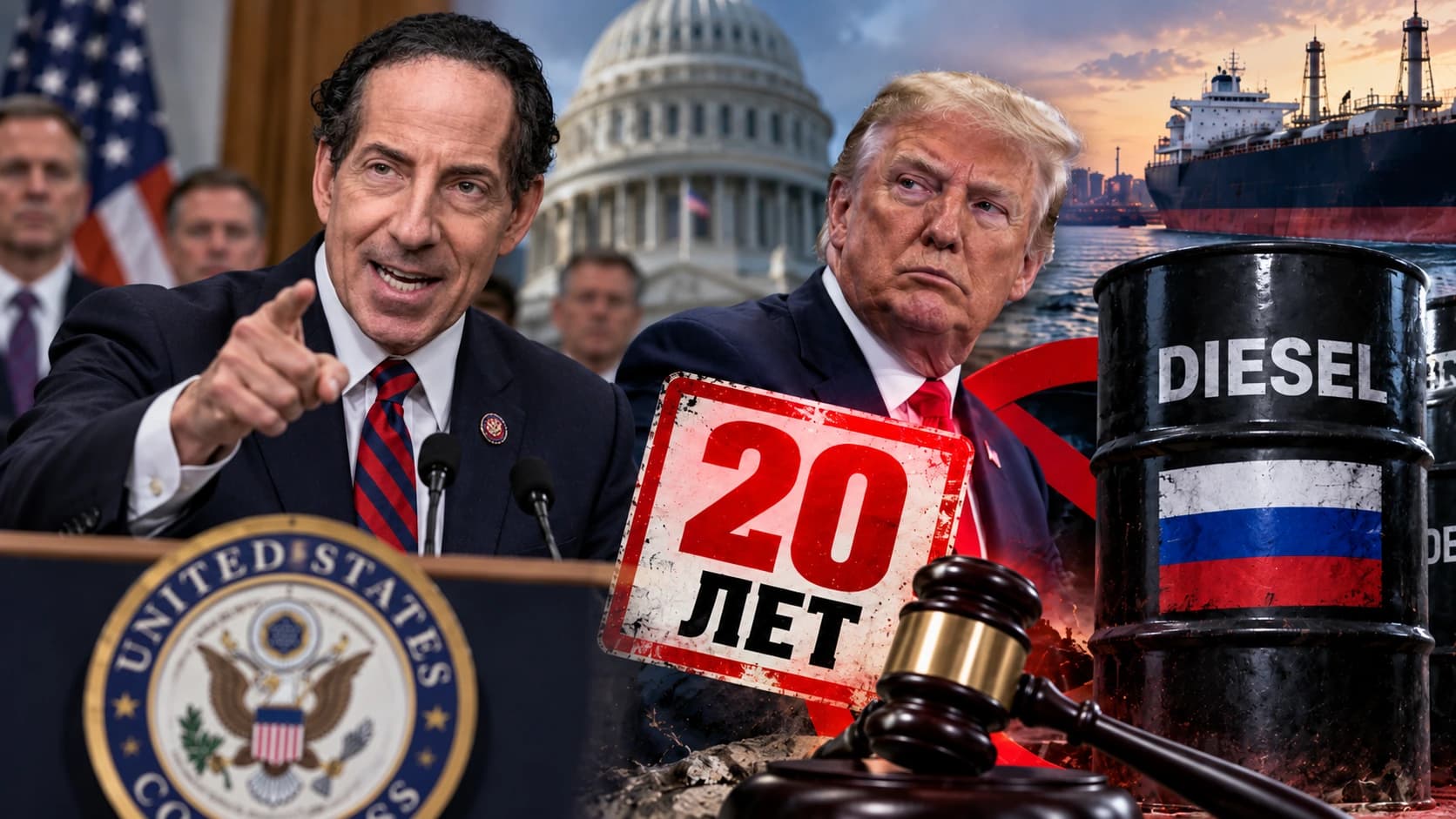
The increase in output is linked to the agreements reached by Vladimir Putin and Donald Trump on October 9 to resume shipments of Russian diesel to the US and other countries: Washington temporarily eased the relevant sanctions, while Moscow allowed partial exports of oil products. Earlier, Life.ru reported that Russia is ready to supply American buyers with the necessary volumes of diesel within the country's export capacity. On October 25, Deputy Prime Minister Alexander Novak stressed that foreign shipments must not affect the needs of the Russian market, and in his estimate, after the agreements with the US were announced, world diesel prices fell by about 5–6%.