The key facts
- Ford unveiled the Fathom pickup at $28,350 with home power capability of more than 10 kW.
- The new V2X chargers are 50–60% cheaper than Ford's previous equivalents.
- Owners could earn up to $1,000 a year by selling energy to the grid through virtual power plants.
Ford Fathom: an affordable pickup with backup power capability
Ford has unveiled the new Fathom electric pickup, which will become the cheapest American electric vehicle capable of powering a home or the grid. The vehicle's starting price is $28,350, making vehicle-to-everything (V2X) technology more accessible to a wide range of consumers. According to TechCrunch, the new model can deliver more than 10 kW of power, allowing it to serve as a backup energy source to run a refrigerator and air conditioner for roughly half a day during a power outage.
New chargers and lower costs
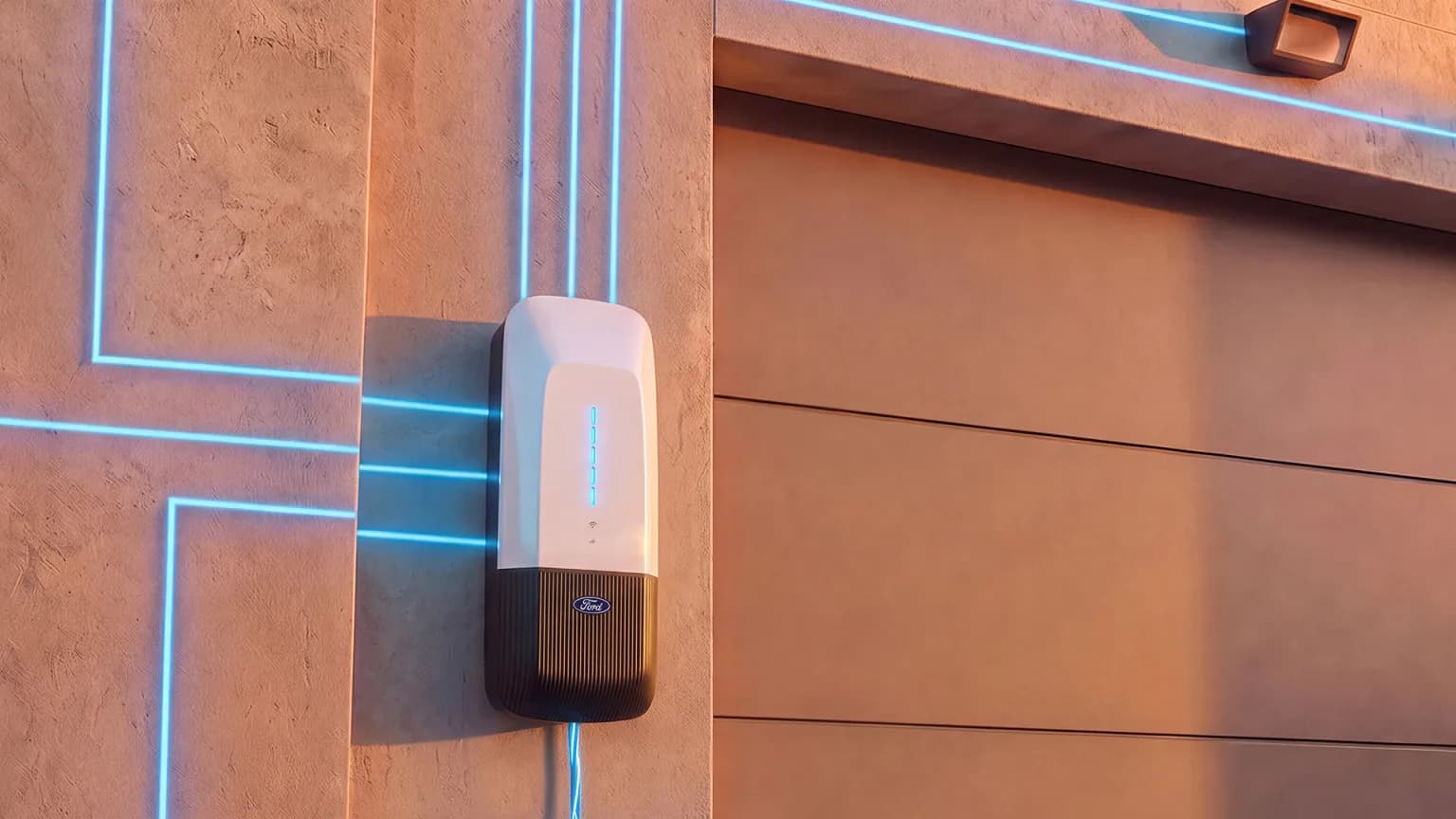
To enable the home power feature, Ford announced two new chargers, costing roughly half as much as comparable first-generation products. The Home Power Station, which optimizes electricity bills by charging during off-peak hours and discharging during peak hours, will cost about $650. The Home Backup Power bundle, which includes the Home Power Station and the Home Backup Panel for backing up a home, will run about $2,100. That is 60% cheaper than the company's previous solution. It is important to note that these prices do not include installation, which for existing V2X systems can reach $10,000 depending on the amount of electrical work required.
Participation in virtual power plants and outlook
Both new chargers will allow Fathom owners to take part in virtual power plants (VPPs), where software manages distributed energy storage. Owners who join the program and keep their vehicle plugged in can sell electricity back to the grid, receiving payments that, depending on grid needs and level of participation, may exceed $1,000 per year. This area is becoming strategically important for automakers, including Ford, amid growing strain on power grids caused by AI data centers. Ford did not specify the exact payment terms, but confirmed that this is only one of the company's steps in the energy storage market.