The key facts
- The European Commission will require EU countries to assign responsibility for protection from climate disasters to the national, regional or local level
- The Commission's scenario: 2°C of warming for Europe by 2050 and 3°C by 2100
- The Commissioner put the damage from this summer's extreme weather at more than €100 billion; the strategy provides no new financial commitments
New rules: responsibility must be assigned
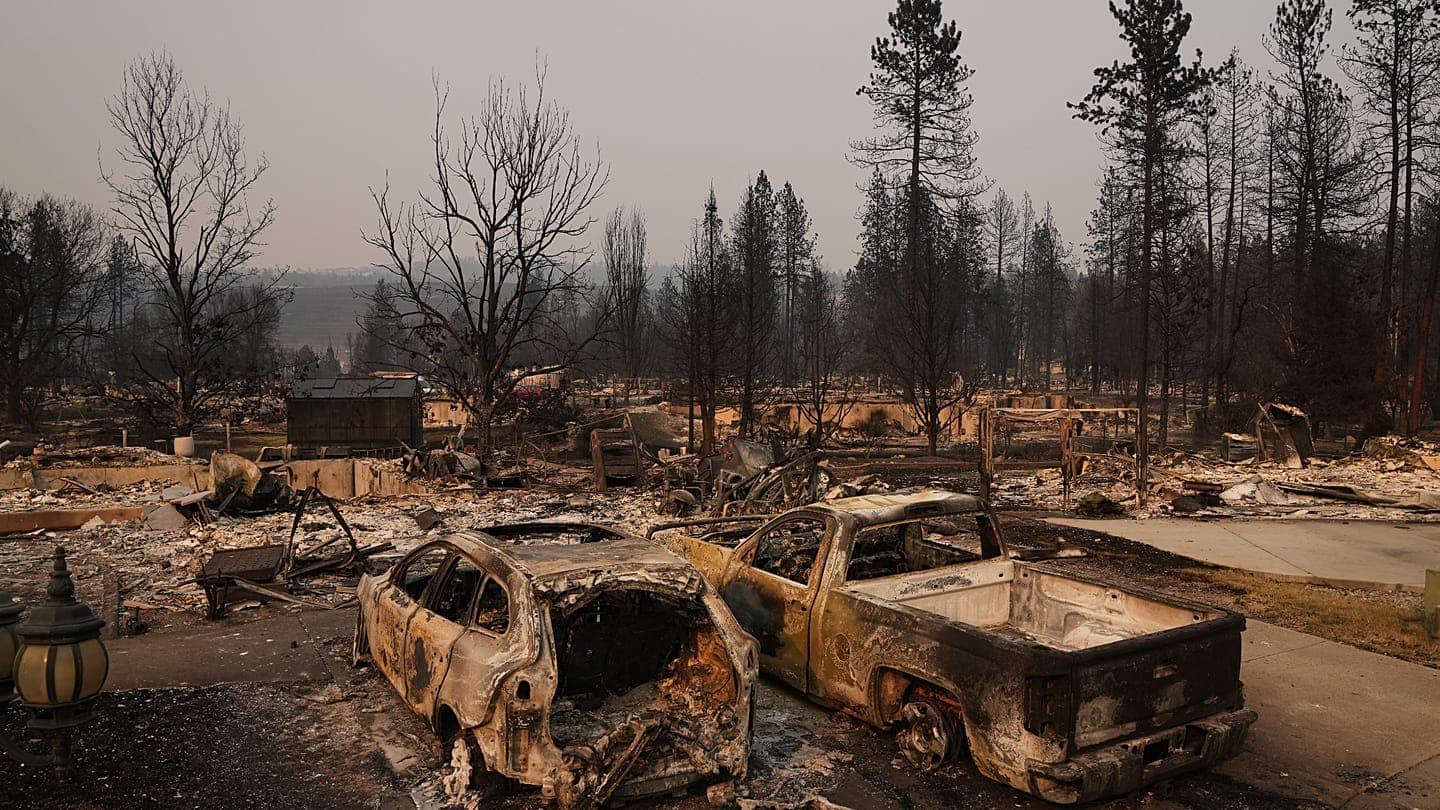
The European Commission will present new climate rules on Tuesday under which EU governments will be required to clearly specify who exactly — the national, regional or local level — is responsible for protecting citizens from climate disasters. Climate Commissioner Wopke Hoekstra told Euronews. Flexibility in distributing duties will remain, but designating a responsible authority will be mandatory: the goal is to prevent political disputes over who failed to prepare when floods or wildfires destroy homes.
The 3°C scenario and the logic of preparedness
Brussels proceeds from the fact that Europe is warming roughly twice as fast as the global average: the Commission's projections assume 2°C of warming by 2050 and 3°C by 2100. Hoekstra warned that the world is heading towards a temporary, or possibly prolonged, overshoot of the Paris 1.5°C limit, so preparing for extreme heat and disasters is necessary even if emissions cuts succeed. The reference trajectory is based on IPCC research and European climate modelling, while national and local risk assessments must take into account the uneven distribution of impacts. According to the Commissioner, he estimates the damage from this summer's extreme weather at more than €100 billion. 'Even if we do everything right, we will not be able to avoid more summer seasons like the last one,' he said.
Infrastructure and insurance
The Commission wants climate scenarios to be taken into account when planning new roads, bridges and neighbourhoods: infrastructure designed for past weather may prove unfit for purpose. 'We want to embed a culture of preparedness and resilience at the design stage, rather than dealing with damage after the fact, which often happens haphazardly and does not always mean rebuilding back better,' said a senior Commission official on condition of anonymity. A separate problem is low insurance coverage: according to the same official, only about 25% of assets exposed to climate risks are insured, and Brussels intends to work with the insurance sector to close this gap.
Money: the main unresolved question
The strategy does not provide for new financial commitments to support households, although it acknowledges that citizens may not be able to afford the necessary adaptation costs. Hoekstra pointed to the proposal to allocate 35% of the EU budget to climate and nature, as well as the recently announced €30 billion from the European Investment Bank for climate adaptation by 2030. However, the real effect will depend on negotiations over the next EU multiannual budget, where climate spending competes with defence, security, competitiveness and agricultural support. The absence of new funding is a potential weakness of the Commission's ambitions, and the strategy itself may expose yet another gap between Brussels' climate goals and the cost-of-living pressure on European voters.