The key facts
- Databricks is valued at $190 billion, with more than 70% of Fortune 500 companies as clients
- The Azure partnership helped secure a meeting with UBS, which the company couldn't get directly
- Tavakoli-Shiraji highlights four main corporate objections: context, choice, cost, control
Almost every young startup makes this mistake
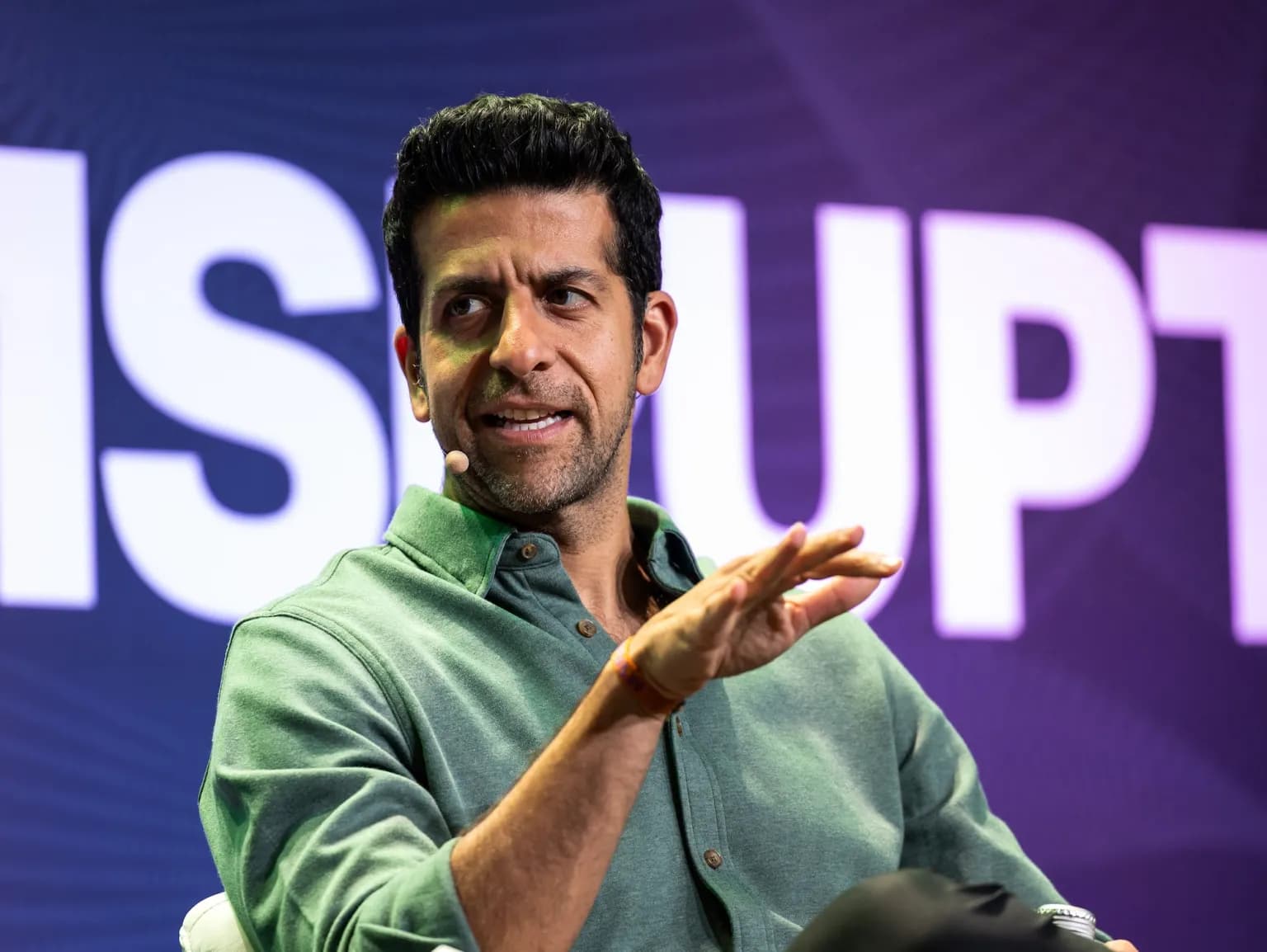
Startups today face unprecedented pressure to grow, and for many of them that means signing contracts with large corporations — the players with the deepest pockets in the IT market. Arsalan Tavakoli-Shiraji, co-founder and senior vice president of field engineering at Databricks, told TechCrunch Disruptthat the biggest mistake young companies make is believing their technology will 'sell itself.' In his words, the technology does have to work well, but that isn't enough: 'people and processes matter above all.' He learned this lesson firsthand when, in the company's early years, he was responsible for landing its first major deals. Today Databricks is a giant in AI and big data storage, valued at $190 billion, with more than 70% of Fortune 500 companies among its clients — but it was once a tiny startup.
The Microsoft partnership as a workaround
Tavakoli-Shiraji gave a concrete example from Databricks' early history: the company tried and failed to secure a meeting with the major Swiss bank UBS. A partnership with Microsoft changed the situation — Databricks became an Azure cloud partner, and deals were signed under Microsoft's terms. This had a double effect: legal questions around sales were covered by Microsoft's contracts, and Microsoft's own salespeople booked meetings and promoted the startup. 'Suddenly, that meeting was easy to get,' the co-founder recalled, adding that the team began 'receiving invitations from everywhere.' This also created new problems — for instance, customers asked for features for countries where Databricks had not yet launched — but, in his words, these were 'good problems.'
Today Databricks itself provides the 'umbrella' for startups
Databricks now sits on the other side of this arrangement: it sells young companies' products under its own terms and cybersecurity configurations. Examples include Hightouch, a developer of AI tools for marketing and customer data (Databricks has also invested in it), Addepar, with data tools for investment professionals, and Tecton, a machine learning startup that Databricks later acquired. A description of Hightouch's solution for Databricks customers is available on Databricks' own website, and the Addepar case study is published in the Databricks customers section.
'The Four Cs' and legacy systems as an opportunity
When selling AI products, Tavakoli-Shiraji advises addressing four categories of corporate objections in advance, which he calls the 'four Cs': context (AI must be trained 'like a new employee' — on the company's terminology, processes and priorities), choice (the freedom to switch models without being locked into a single vendor), cost (control over operating expenses) and control (means of governing AI behavior and protecting sensitive data). He also shared an observation about corporations' real AI maturity: jokingly asking CIOs to rate themselves on a scale from 1 (employees simply have access to ChatGPT) to 5 (AI has transformed business processes), he hears the answer 'three, leaning toward four,' but, in his words, 99% of those surveyed fall into the first two categories. The mass, meaningful adoption of AI agents in corporations, he believes, will take 'many, many years.' One of the biggest opportunities for startups, he says, is modernizing expensive legacy systems: banks still run IBM AS/400 mainframes that no one has touched because no one understood what their code does — and now AI agents are capable of parsing that code, opening the way both to modern interfaces for old systems and to replacing them entirely.