The key facts
- British and European officials will discuss options for the future relationship, including free movement, ahead of the EU summit on 20 November, business minister Jonathan Reynolds said
- Downing Street insists the current focus is deals on food, electricity and emissions trading, while the prime minister maintains the 2024 manifesto 'red lines' until the end of the parliamentary term
- Andy Burnham allowed for an 'honest discussion' and a possible referendum, but tied any major changes to a mandate from a general election by 2029
What officials will discuss
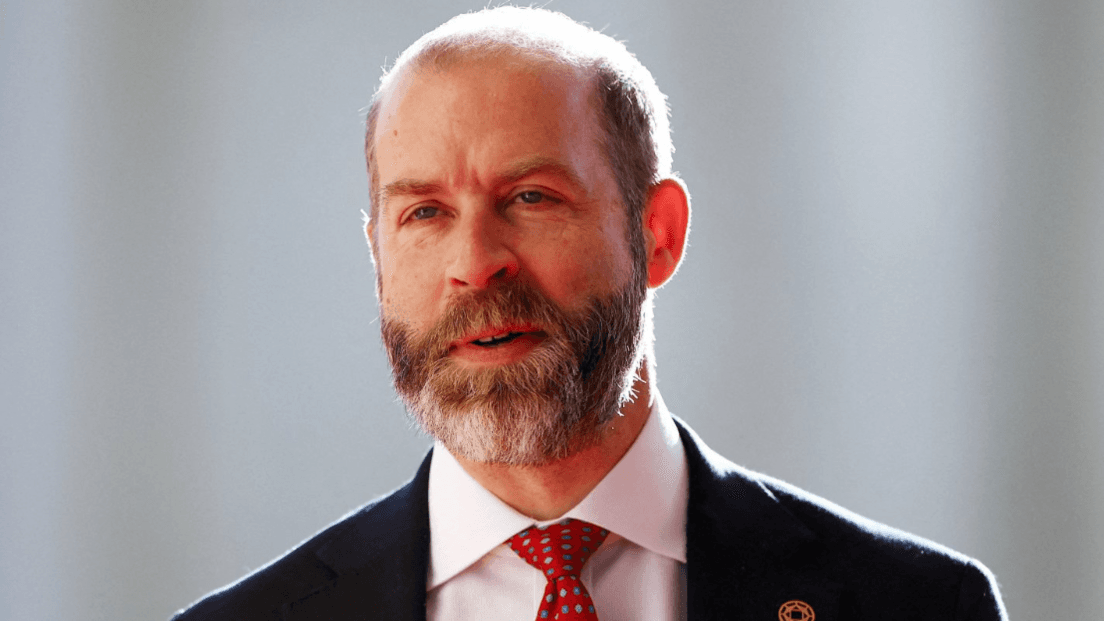
British and European officials will begin discussing a range of options for the future of the UK's relationship with the EU, including free movement, ahead of the EU summit on 20 November, business minister Jonathan Reynolds told BBC Radio 4. According to him, no 'assumptions' have yet been made about what the future relationship with Brussels will look like, and after the summit the prime minister will 'honestly' set out to Britons what the trade-offs are. Downing Street, meanwhile, stresses that the current focus is securing new agreements on food and youth mobility; Reynolds listed the topics of the current negotiations as food and drink, electricity and emissions trading.
Red lines and Burnham's position
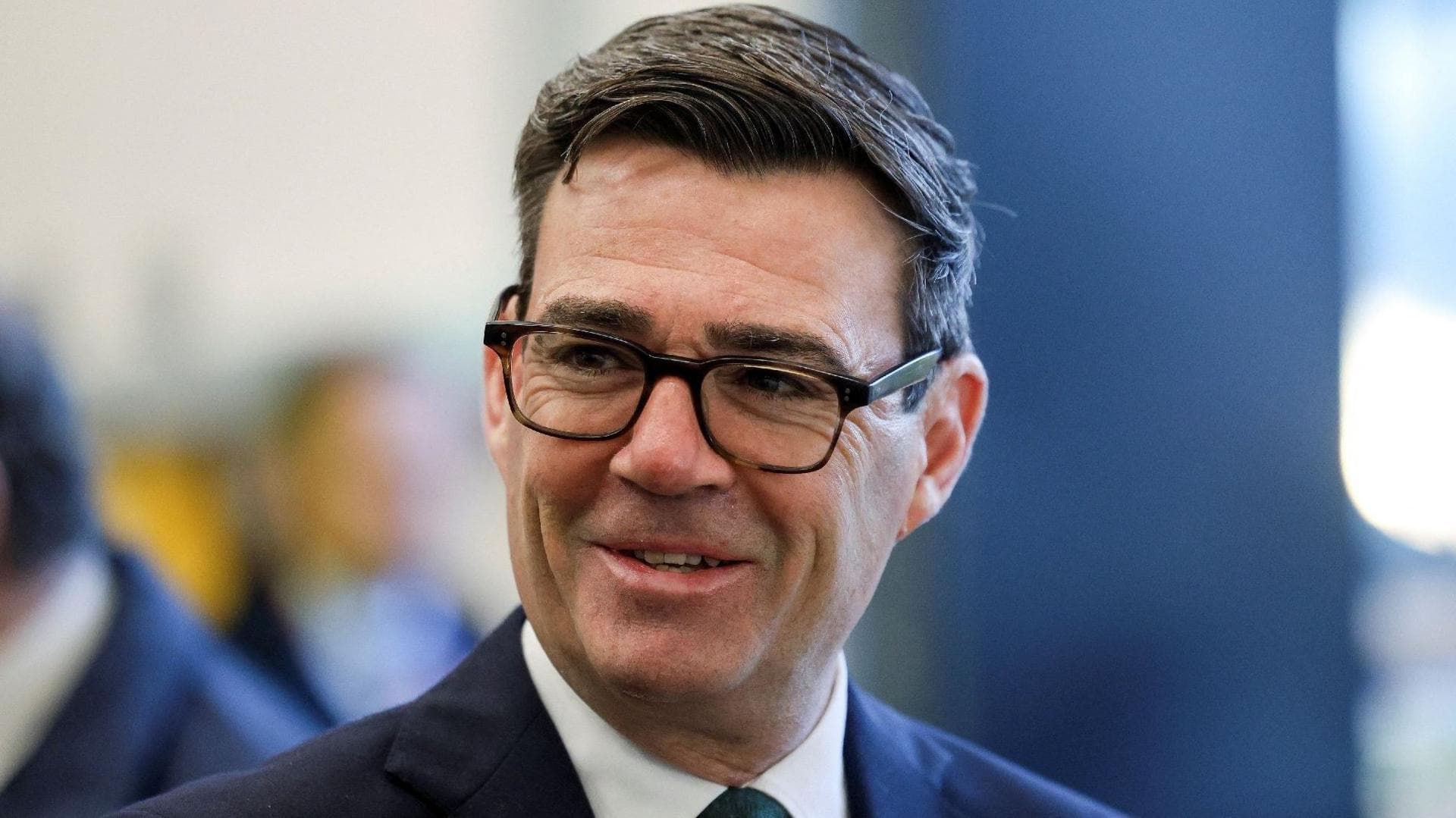
The prime minister has pledged to stick to the Labour Party's 2024 manifesto 'red lines' — no return of free movement, the single market or a customs union — until the end of the current parliamentary term, which will conclude by 2029. Free movement, which allows EU citizens to live, study and work in any member state, is a mandatory condition for access to the single market. Against this backdrop, Greater Manchester mayor Andy Burnham said that he wants an 'honest discussion' about the prospects for restoring free movement, and allowed for a possible referendum on the issue, but stressed that any major changes to the relationship with the EU would require a mandate from a general election, which must be held no later than 2029.
Criticism from within the party and from the opposition
The initiative has also caused irritation within the ruling party. Labour MP Melanie Onn, whose constituency of Great Grimsby and Cleethorpes voted to leave the EU, warned that Burnham risks losing trust by talking about going beyond the 2024 manifesto at future elections: 'The scars for many people in the country have not yet healed, and I think this is an unnecessary conversation at the moment.' Reform UK leader Nigel Farage said Burnham has 'no mandate' to conduct such negotiations in Brussels and urged the prime minister to put his ideas to a general election. Thus, discussing options with the EU does not yet mean a change of policy: the government's official position remains confined to the framework of the summit, and the question of free movement remains a matter of intra-party and political debate with no decisions taken.
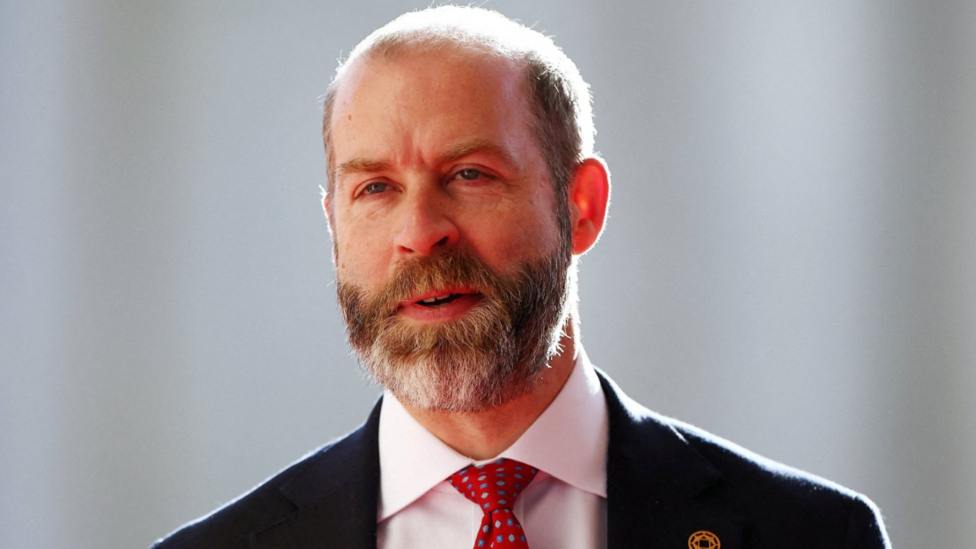 Image source, Reuters
Business Secretary Jonathan Reynolds says no 'assumptions' have been made about what the future UK-EU relationship could look like