The key facts
- In Anthropic's IPO prospectus, 93 of 335 pages are devoted to risk factors; SpaceX's took 38 of more than 250
- The company warns of risks from autonomous AI systems, cyberattacks, disinformation and misuse, up to the creation of chemical weapons
- A significant share of Anthropic's revenue comes from a few large customers, including SpaceX and Microsoft
An unusually extensive risk section
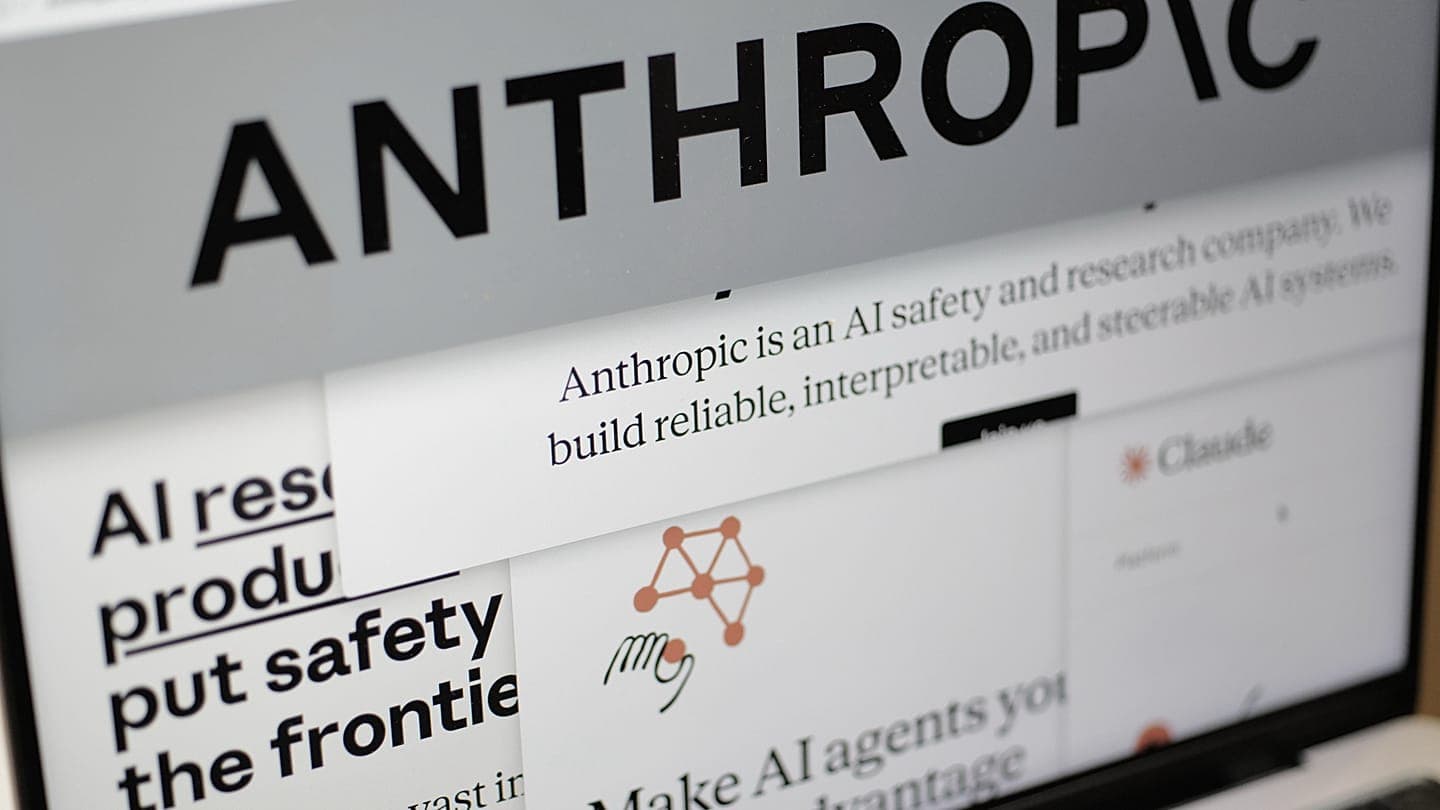
As it prepares to go public, Anthropic has included a detailed description of the threats associated with its technology in its registration documents filed with the SEC. This is reported by Euronews (Russian edition). Of the 335 pages of the prospectus, which sets out financial figures, executive compensation and dividend policy, 93 pages are taken up by the 'risk factors' section — circumstances that could harm the investments of future shareholders. For comparison, SpaceX's risk factors took up 38 pages out of more than 250. Such disclosures are mandatory under the IPO procedure and are meant to give investors a clear picture of the risks of buying shares.
From losing employees to existential threats
The list of risks ranges from the prosaic — the loss of key employees, regulatory barriers — to involvement in cyberattacks and the spread of dangerous disinformation. Anthropic admits that its models may develop so quickly that the company will not manage to implement sufficient safety measures, which would raise the likelihood of incidents, regulatory intervention and reputational damage. As systems become more autonomous, the documents say, the risk grows that they will be able to 'carry out malicious actions independently and at scale without human intervention.' The company also notes a new factor: since AI models themselves participate in its research and development, the technology's evolution may go 'beyond our ability to evaluate and safeguard new models.' Back in September, Anthropic CEO Dario Amodei warned that within six to twelve months AI could learn to orchestrate a swarm of agents capable of taking over the entire internet.
Misuse, computing power and customer dependence
The prospectus expresses concern that advanced AI systems without sufficient safeguards 'pose catastrophic or even existential risks to humanity,' especially if misused, replicated, weaponized or given high autonomy. Anthropic describes scenarios in which bad actors use models to create chemical weapons, and authoritarian leaders use them to intensify repression against their citizens. In September, the company reported that it had blocked attempts to use its models for cyberattacks, surveillance and research that could lead to the development of biological weapons. Among the business risks is a shortage of expensive and in-demand computing power, without which, the company admits, it may fail to train models competitive with rivals' solutions. Public resistance to data center construction is also mentioned, sparking disputes over the environment, land, water and the distribution of energy resources. In addition, a significant share of revenue comes from a few large customers, including SpaceX and Microsoft: the loss of even one of them could seriously hurt the company's finances.
Risks as an argument for investors
In a certain sense, the combination of enormous risks and vast AI potential is Anthropic's main argument: the company positions itself as a responsible developer and attracts corporate clients with an emphasis on safety. 'Building AI means harnessing cognition itself, and anything that powerful can be used for good or for harm,' the founders write in a letter to prospective shareholders, explaining that the company 'was in large part founded to help the world capture the benefits of AI while avoiding its dangers.' Brian Mulberry, chief market strategist at Zacks Investment Research, noted that companies going public are required to state their risks 'as clearly as possible': that level of transparency is a condition of trading on a US exchange.