The key facts
- A quarry, agricultural plots, a garden and rock tombs have been found beneath the Church of the Holy Sepulchre
- Traces of olive trees and grapevines are dated to around 33 AD
- The finds match the descriptions of the New Testament but do not prove that Jesus was buried here
Excavations beneath the church floor
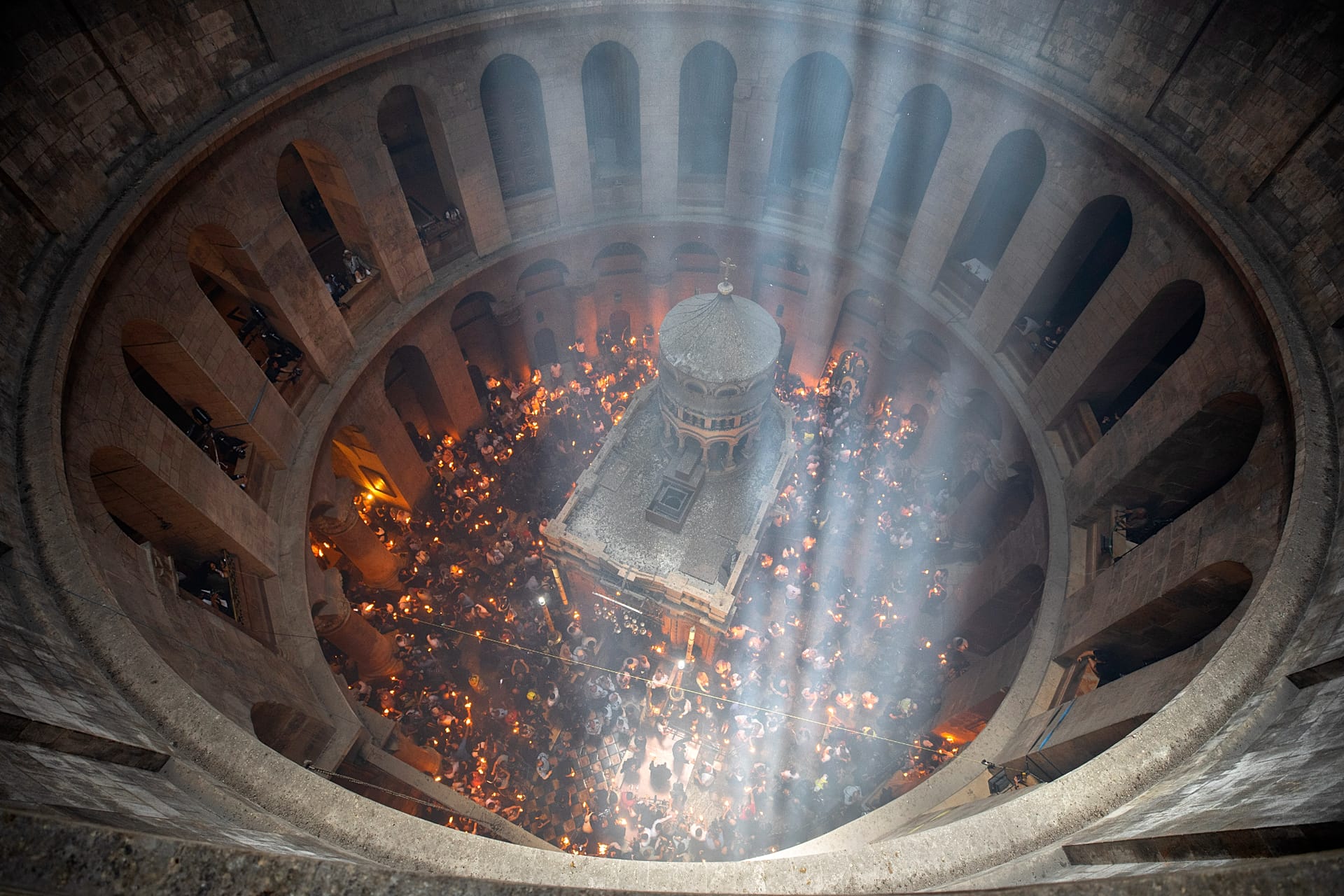
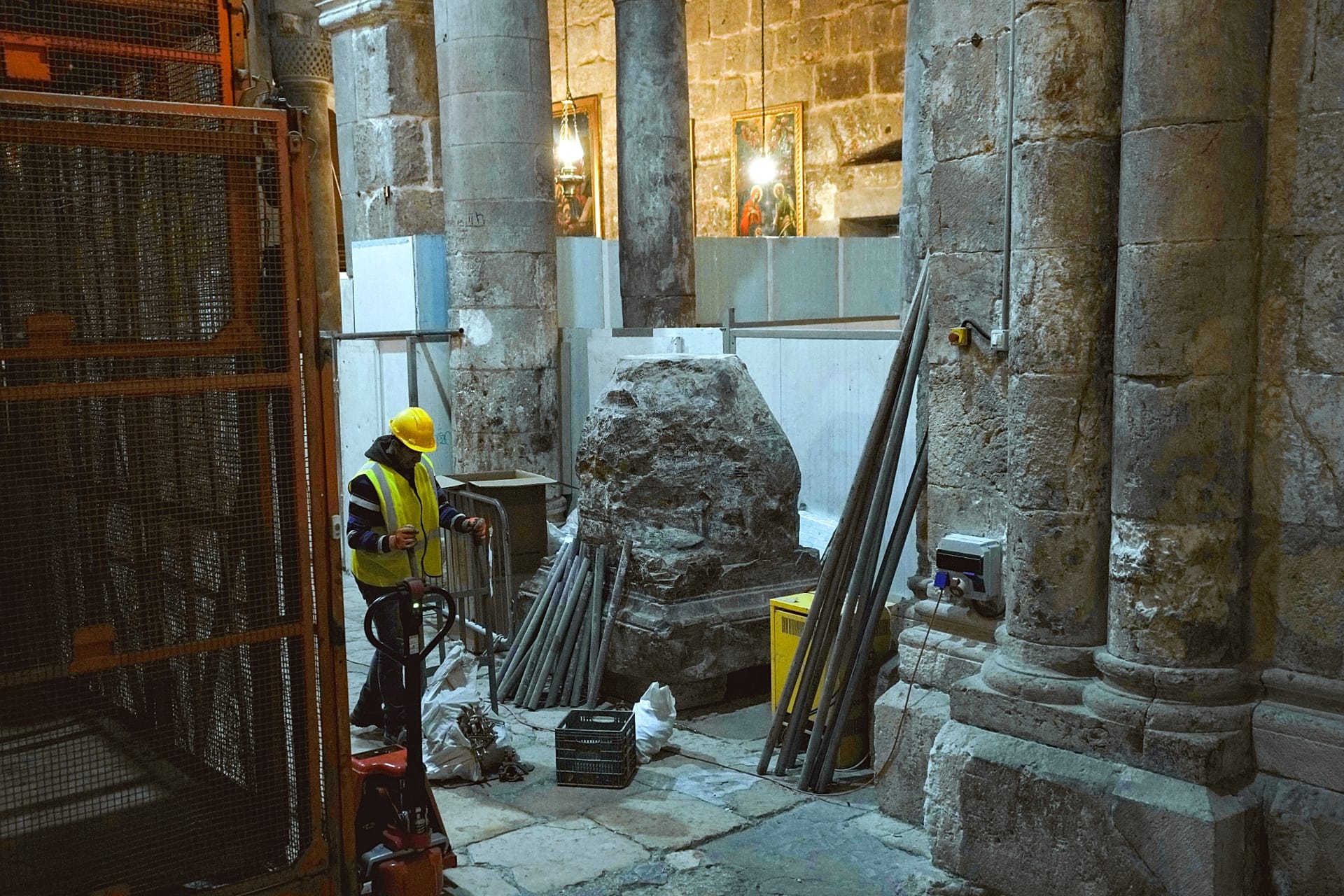
Italian archaeologists have discovered an abandoned quarry, traces of cultivated plots, a garden and rock-cut tombs beneath the Church of the Holy Sepulchre in Jerusalem. The work began in 2022 as a restoration of the church floor but turned into a large-scale archaeological project along the way, euronews reports.
What was found and how it relates to the Gospels
The head of the work, Francesca Romana Stasolla of Rome's Sapienza University, interprets the finds as evidence of an ancient funerary landscape: according to her, the excavations indicate that cultivated land once lay between Golgotha and the tomb — the fields which, according to the New Testament, were located between the walls of Jerusalem and Golgotha. The garden is of particular significance: the Gospel of John mentions a garden at the site of the crucifixion, and the Epistle to the Hebrews says that Jesus suffered outside the city gates, which also agrees with the location of the finds. Traces of olive trees and grapevines are dated to around 33 AD — the period to which the death of Jesus is usually assigned, although precise dating is not yet possible. The rock-cut tombs correspond to the description of Jesus' tomb in the Gospels of Matthew, Mark and Luke.
No proof, but a correspondence
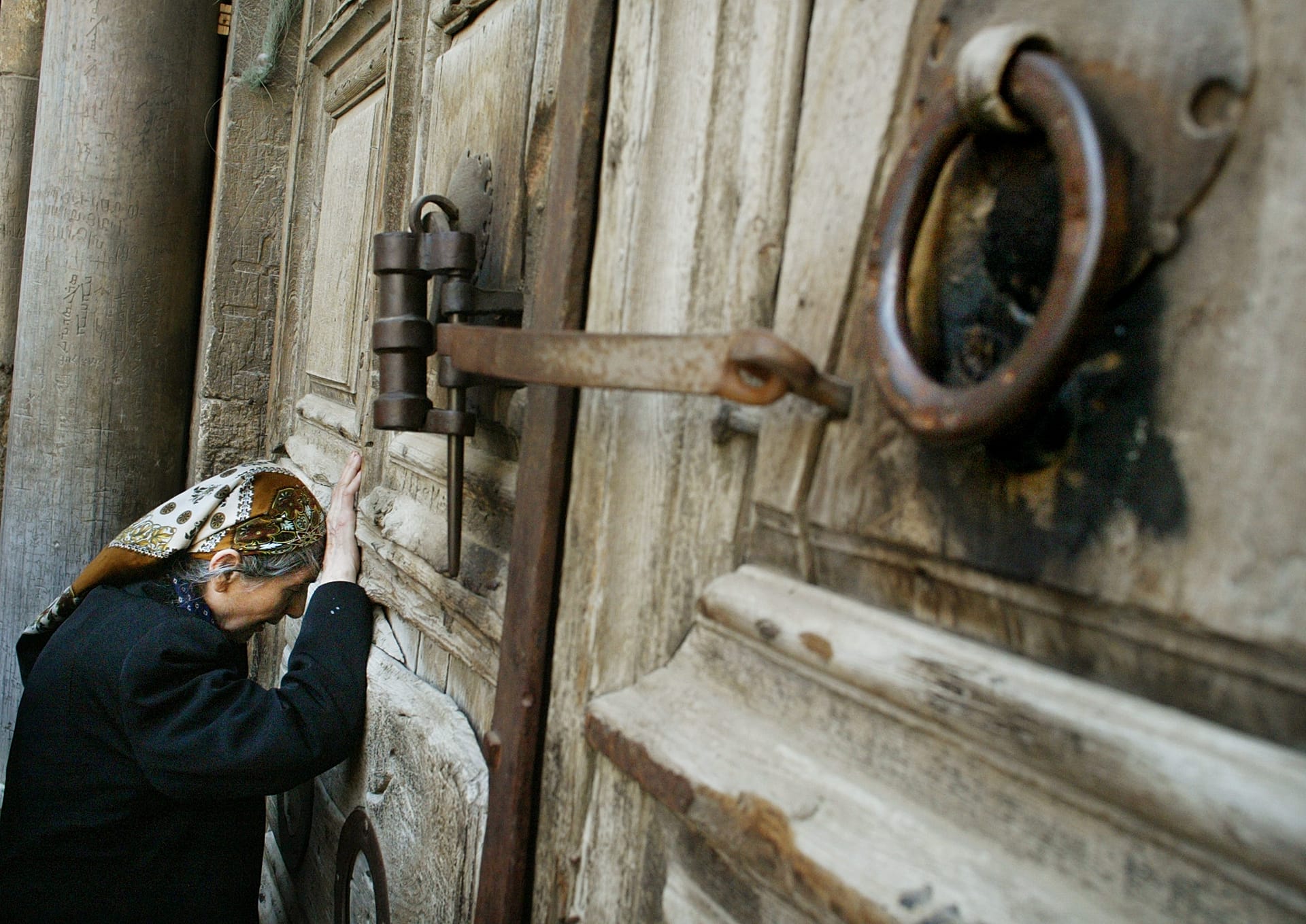
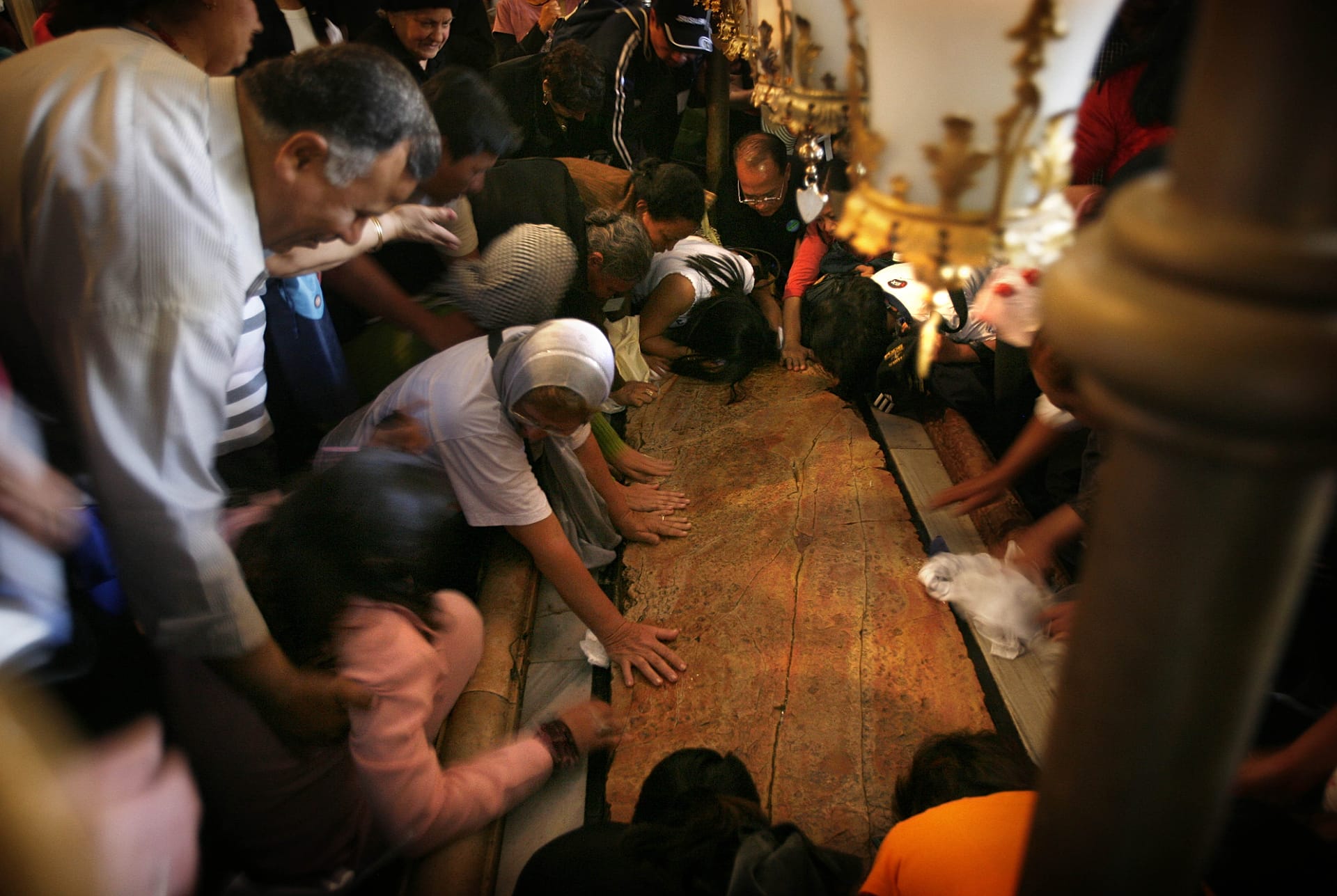
As euronews emphasises, the finds do not provide scientific proof that Jesus was buried precisely here: there is no corresponding inscription, it is impossible to establish that the burial chamber was unused or belonged to Joseph of Arimathea, and the plant remains cannot yet be precisely dated to the time of the crucifixion. The excavations do not settle the question of the actual place of burial, but they show that the site venerated by Christians for almost two thousand years possesses geographical and archaeological characteristics corresponding to the descriptions of the New Testament. It was presumably around just such a tomb that the church commissioned by Emperor Constantine the Great arose: the first church was consecrated in 335 AD, the building was destroyed more than once — in particular, it was badly damaged in 1009 under the Fatimid caliph al-Hakim — and rebuilt, including by the Crusaders after the capture of Jerusalem in 1099. For a long time, work in the church was hardly carried out at all, since several Christian denominations jointly own it and each feared for its rights; since 2016, after an agreement was reached, the church has been restored for the first time in more than two centuries.