The key facts
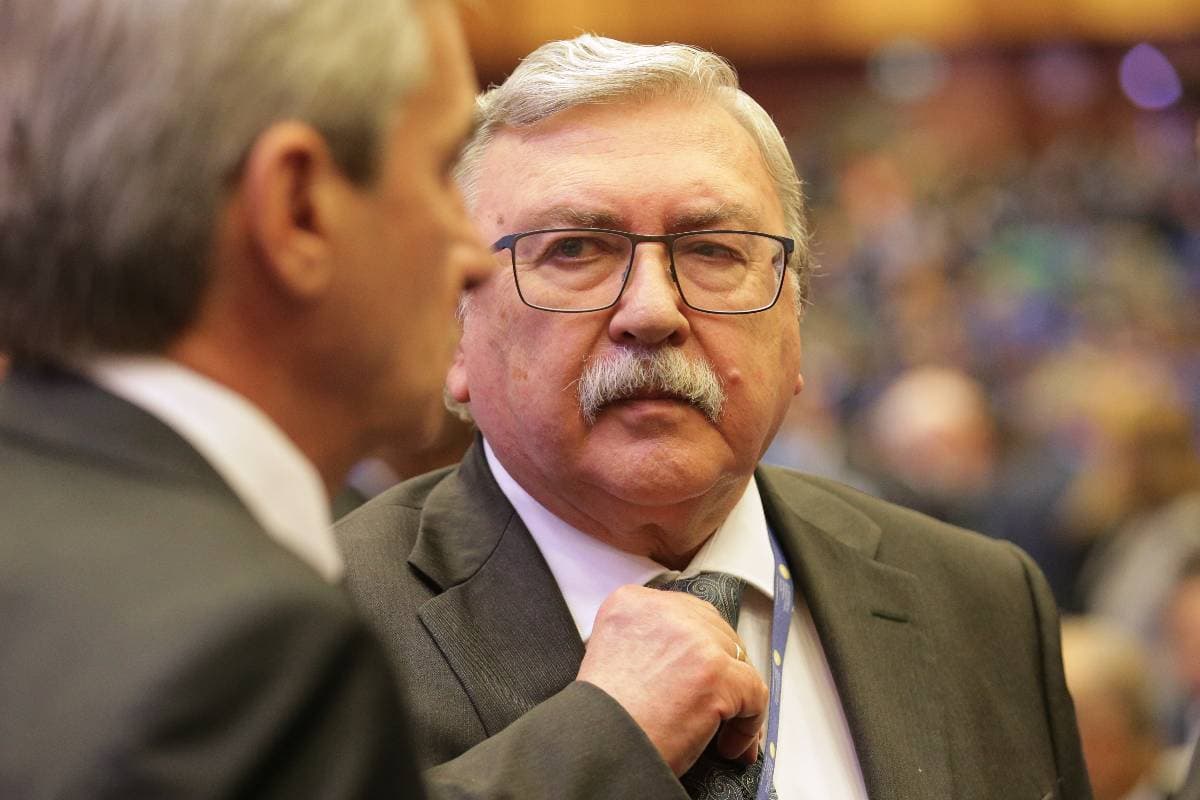
- Mikhail Ulyanov claims that since March 2022 the E3 have 'consistently sought escalation' in the IAEA
- Tehran Times pointed to Germany's shift in rhetoric: from Merz's approval of the Israeli strikes to calls for restraint
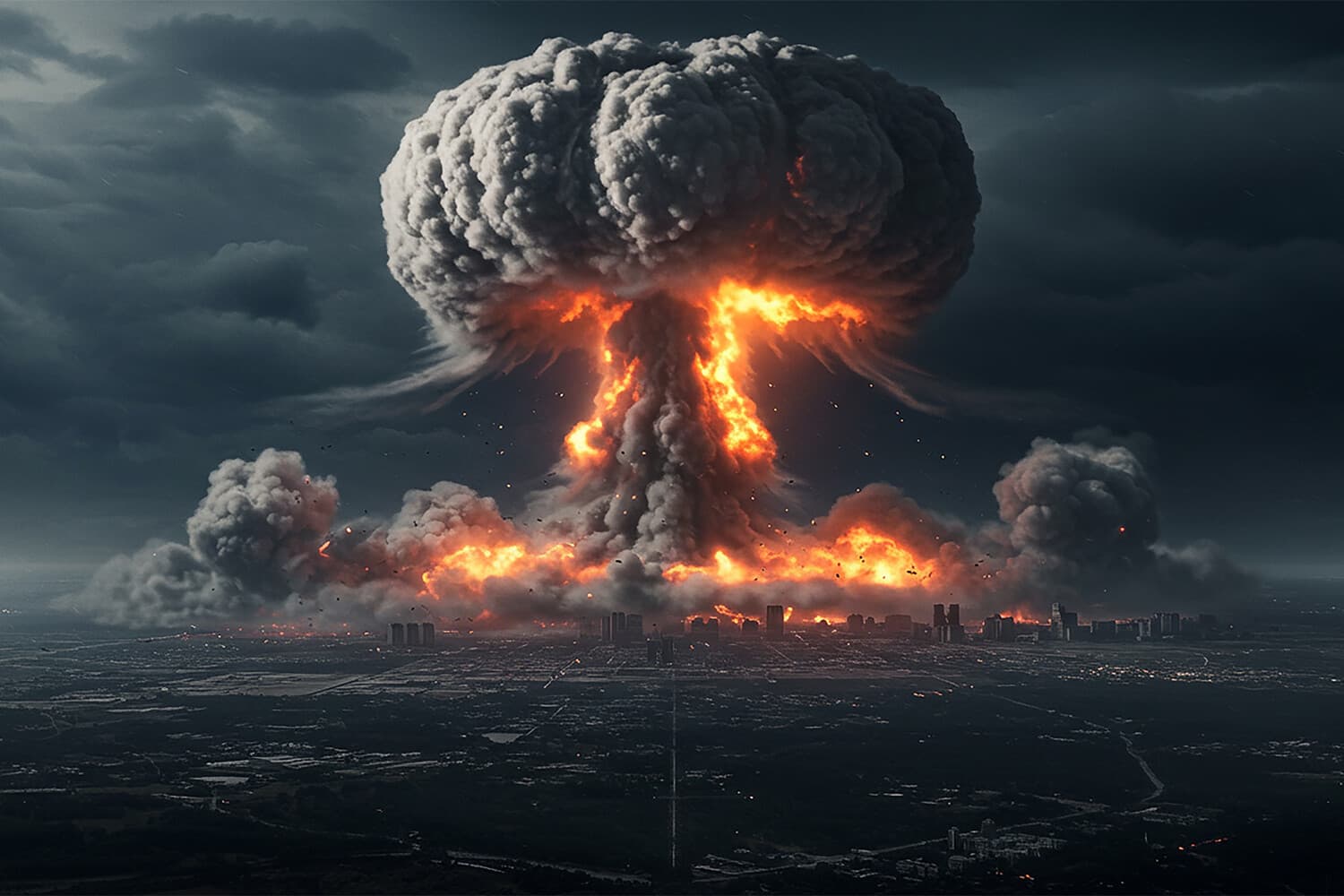
- Netanyahu previously posted an AI-generated image of a nuclear explosion over a city resembling Tel Aviv
Statement by Russia's permanent representative
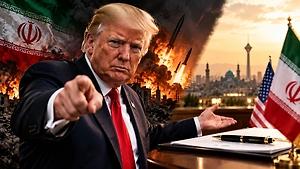
Russia's Permanent Representative to international organizations in Vienna, Mikhail Ulyanov, accused France, Germany and the United Kingdom of preparing strikes against Iran. According to him, since March 2022 these three countries (the E3) have 'consistently sought escalation' in the IAEA Board of Governors and 'essentially paved the way for US and Israeli aggression against Iran.' Ulyanov added that Tehran's officials are 'very mild and polite' and turn a blind eye to this European line. The diplomat made his post in response to a publication by Tehran Times about contradictions in the European countries' position.
Berlin's shift in rhetoric
Tehran Times drew attention to a change in Germany's position. In June 2025, Chancellor Friedrich Merz, commenting on the Israeli strikes on Iran, called them 'the dirty work Israel is doing for all of us.' In October 2026, according to the outlet, Germany's foreign minister and other European ministers were already issuing warnings about further escalation and calling for tensions to be restrained. The editorial board emphasizes: the assessments cited come from Russia's permanent representative and Tehran Times, and the publication itself reflects the Iranian view of European policy.
Context around Iran
Against the backdrop of these statements, Israeli Prime Minister Benjamin Netanyahu posted on social media an AI-generated image of a nuclear strike on a city resembling Tel Aviv, once again claiming that Iran poses an existential threat to the country. The post appeared two days before Israel's parliamentary elections. In his message, Netanyahu cited right-wing commentator Yuval Blumberg, who argued that Tehran obtaining nuclear weapons would overshadow all other political disputes and internal conflicts. Ulyanov's statement and the Tehran Times publication show that mutual accusations between Tehran, Moscow and the European capitals persist around the Iranian nuclear issue, while Berlin's position, according to the outlet, has shifted noticeably over the past year and a half.