The key facts
- Uganda is introducing a 21-day self-funded quarantine for citizens returning from the DRC and banning them from transiting through the country.
- More than 4,800 people have died in the DRC since May — the deadliest Ebola outbreak in the country's history; the disease has spread to other states.
- Two travellers who passed through Entebbe Airport on the same day were found to be infected in Kenya and Nigeria; no cases have been registered within Uganda.
New restrictions at the border
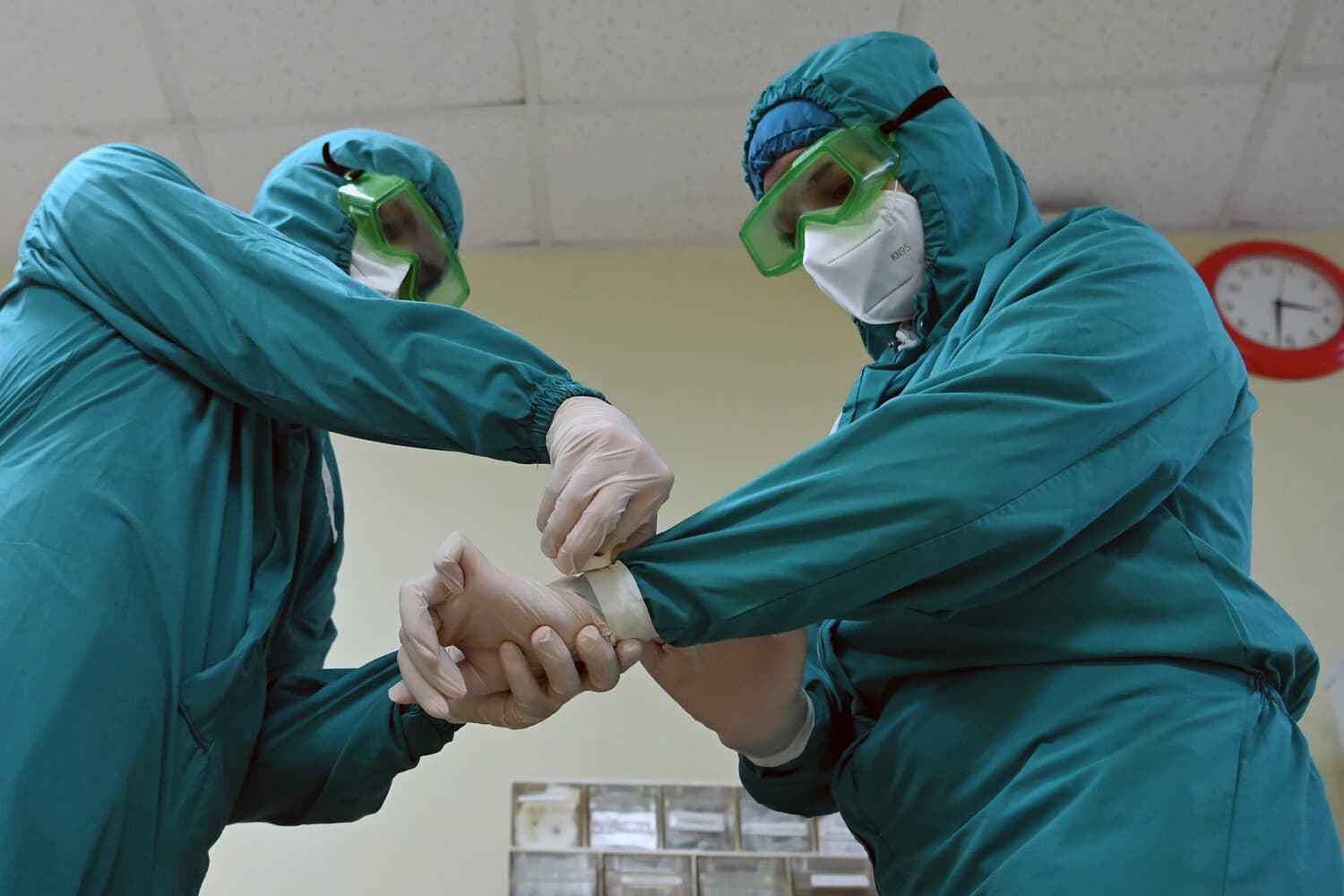
Uganda's Ministry of Health announced tightened measures against the spread of the Ebola virus on Sunday. Citizens returning from the neighbouring Democratic Republic of the Congo will be required to undergo a 21-day quarantine 'at their own expense', and travellers who have been in the DRC are banned from transiting through Uganda. BBC News reports. The country has also enhanced screening of travellers at Entebbe International Airport and at all land border crossings, supported by checks at designated road checkpoints.
Context of the outbreak
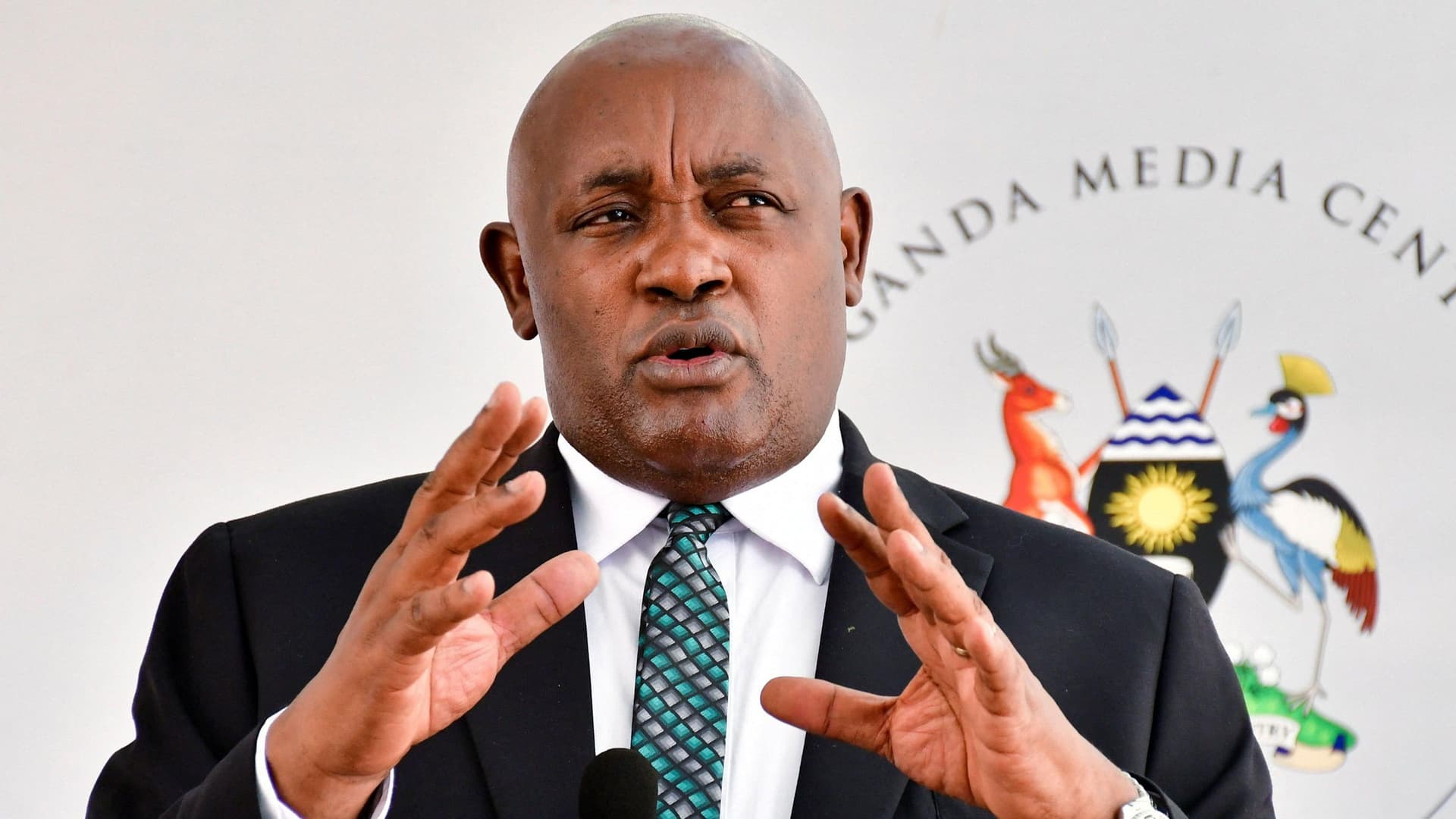
According to BBC News, more than 4,800 people have died in the DRC since May — the deadliest Ebola outbreak in the country's history — and the disease has spread to several other states. Uganda's Health Minister Chris Baryomunsi said on the Newsday programme that only 'essential' travellers would be allowed in from the DRC, and they would have to undergo 'strict sanitary and epidemiological measures'. 'All these measures are aimed at keeping Uganda free of Ebola', he said.
Two travellers who passed through Uganda fell ill
The restrictions followed questions about two people who travelled through Uganda and later tested positive for Ebola — in Kenya and Nigeria. According to Jean Kaseya, head of the Africa Centres for Disease Control and Prevention, the patient in Nigeria is a Uganda-born wife of a Swiss diplomat who had come to the Ugandan capital on holiday, while the Kenyan had travelled from the DRC, where he had business interests. Permanent Secretary at the Ministry of Health Diana Atwine said that CCTV footage showed no physical contact between the two patients, who passed through Entebbe Airport on the same day.
The situation in Uganda and open questions
Uganda stresses that no cases have been registered within the country: since the start of the outbreak in the DRC, 20 cases and two deaths were recorded in the country, but the World Health Organization declared it free of the disease in August. Nevertheless, the ministry said on Sunday that Uganda and Nigeria are jointly tracing the route of the patient in Nigeria, her full travel history and possible routes of exposure to the infection — Ugandan authorities had previously claimed that she had travelled to eastern DRC, only transiting through Uganda. It was also reported that all 60 people who had been monitored after contact with the Kenyan patient have been discharged. The Kenyan businessman died two days after arriving in Nairobi; Kenya has confirmed eight more Ebola cases, and a second woman linked to him died over the weekend.
Why it matters
The outbreak primarily affects residents of border areas and travellers: as Baryomunsi noted, Uganda shares a border with the DRC, where transmission of the virus continues, and communities are closely linked by trade, travel and family ties. In practical terms, the new rules mean that returning citizens will have to plan for a three-week isolation period and pay for it themselves, while transit routes through Uganda will become unavailable to those who have been in the Congo. The editor notes that uncertainty remains around the route of the patient in Nigeria, and the Bundibugyo virus that caused the outbreak is relatively rare: there is no vaccine or specific treatment yet, although trials are under way.
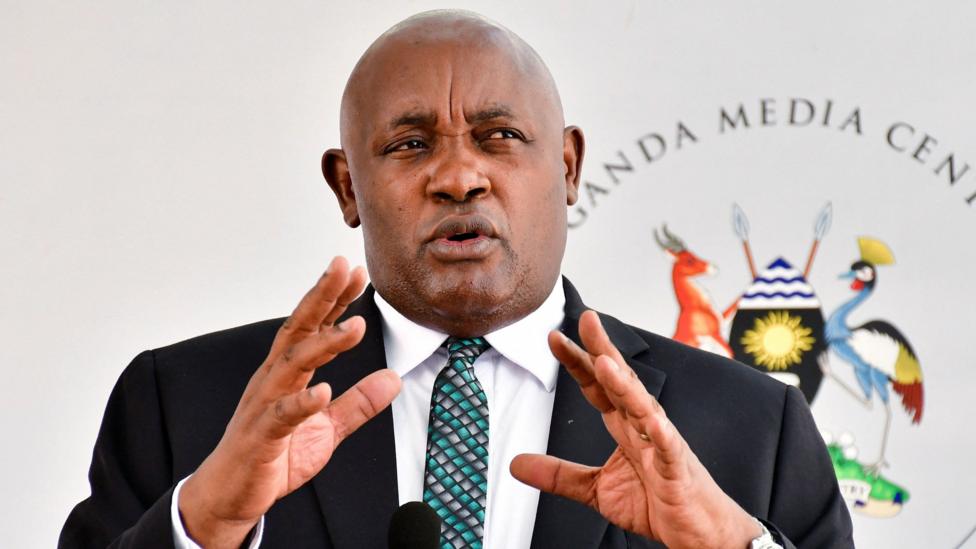 Image source, Reuters
Health Minister Chris Baryomunsi said the measures were meant to keep the country free of Ebola