The key facts
- According to WSJ, the US administration has asked Viktor Orban to run for UN Secretary-General; Russia and China, per the outlet, are receptive to the idea
- The State Department estimates Orban's support in the Security Council at 8–10 votes out of 15; the uncertainty stems from a possible veto by the United Kingdom and France
- Antonio Guterres's term expires on December 31, 2026; UAE diplomat Lana Nusseibeh has already entered the race
Washington promotes Orban's candidacy
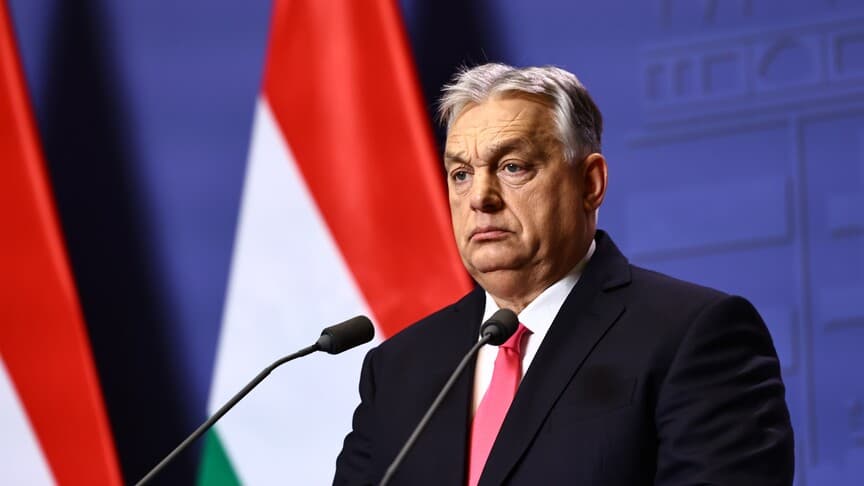
The US administration has asked former Hungarian Prime Minister Viktor Orban to consider running in the election for UN Secretary-General, The Wall Street Journal reports, citing its own sources. According to the outlet, this is evidenced by officials from three countries: Washington raised the topic of a possible Orban candidacy, which could become a joint nomination backed by the US, Russia and China; the proposal awaits a final decision (Anadolu). The Russian newspaper Gazeta.Ru also writes that Washington wants Orban to enter the race for the post and expects him to secure the support of Russia and China (Gazeta.Ru).
The balance in the Security Council and Orban's position
A US State Department representative, according to WSJ, acknowledged that the idea may sound implausible at first glance, but said that three powers could secure sufficient support for Orban in the Security Council. In his assessment, eight of the 15 Council members would 'comfortably' support Orban, and ten votes are potentially achievable. The United Kingdom and France — permanent members with veto power — could oppose, although the outlet notes that they usually use their veto cautiously (Anadolu). Gazeta.Ru's version also cites an estimate of 10 votes out of 15 and the question of whether London and Paris will use their veto (Gazeta.Ru). According to WSJ, American officials first contacted Orban to gauge his interest: according to the outlet, he reacted favorably but cautiously, and is not ready to run without confidence in a high chance of victory. Orban himself declined to comment (Anadolu).
Washington's motivation and the context in Hungary
WSJ describes Orban as 'a dream candidate for MAGA conservatives', citing his opposition to mass migration, liberal NGOs, left-leaning courts and media in Hungary, as well as his frequent conflicts with the European Union. US President Donald Trump backed Orban in Hungary's parliamentary elections in April 2026, and Vice President JD Vance campaigned for him; according to the outlet's third source, both are ready to support him in the event of a UN nomination as well, but are postponing an announcement until the US midterm elections. One of the newspaper's interlocutors called Orban a 'general' rather than a 'secretary,' emphasizing his readiness to challenge the UN bureaucratic establishment (Anadolu). Gazeta.Ru, citing sources, writes that Orban adheres to 'the right ideology' and knows how to lead in hostile conditions (Gazeta.Ru). Against the domestic political backdrop in Hungary, on October 18 the incumbent head of government Peter Magyar accused Orban of preparing a coup d'état and threatened him with criminal prosecution (Gazeta.Ru), and earlier in the country a former ally of Orban was detained (Gazeta.Ru).
Other candidates and timelines
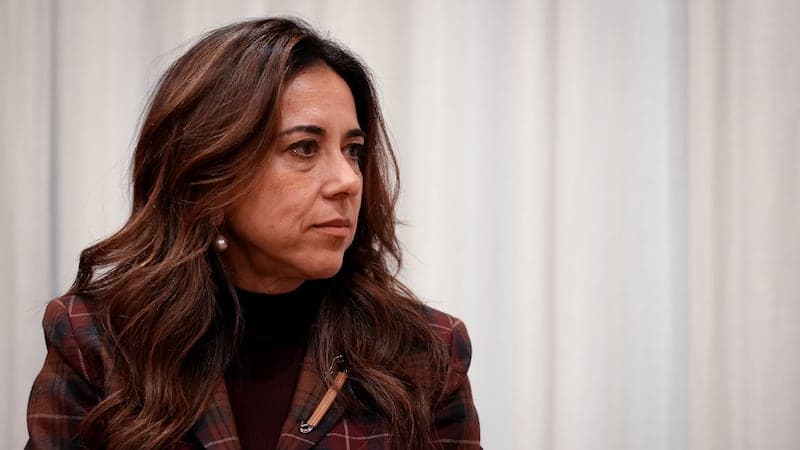
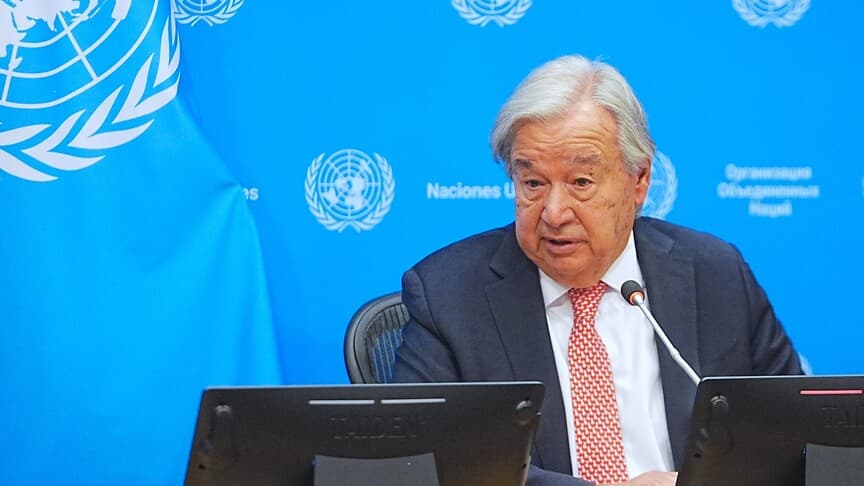
Last week, diplomat Lana Nusseibeh of the United Arab Emirates entered the race. According to WSJ, the alleged UAE support for a paramilitary force involved in the civil war in Sudan could work against her candidacy, although the outlet calls her a qualified candidate gaining momentum. On Tuesday she was to answer questions, and on Wednesday a new informal Security Council straw poll was planned; additional candidates may also enter the race. The term of the current Secretary-General, Antonio Guterres, expires on December 31, 2026 (Anadolu).
Why it matters
The choice of UN Secretary-General affects all member states of the organization, since it determines the leadership of its apparatus until the end of 2026 and beyond. The facts presented indicate that the outcome depends on a vote in the Security Council, where the position of the United Kingdom and France, which hold veto power, remains the key uncertainty. At the same time, the information is based on anonymous sources of two outlets, and Orban himself has not confirmed his readiness to run, so it is premature to speak of a nomination.