The key facts
- Aleksandar Vucic conceded the Serbian Progressive Party’s defeat in the early parliamentary elections on October 25
- According to him, the Student List receives 135–140 of 250 seats, while his party gets 105
- Turnout reached 64.9% by 6 p.m. — a record since 1992; Vucic stepped down as president at the end of September, planning to lead the government
Vucic concedes defeat in the election
Early parliamentary elections were held in Serbia on October 25, in which the ruling Serbian Progressive Party led by Aleksandar Vucic lost to the opposition Student List. About two hours after polling stations closed at 8 p.m., Vucic addressed supporters at the party headquarters in Belgrade and conceded defeat, Kun.uz reports, citing DW.
Seat distribution and record turnout
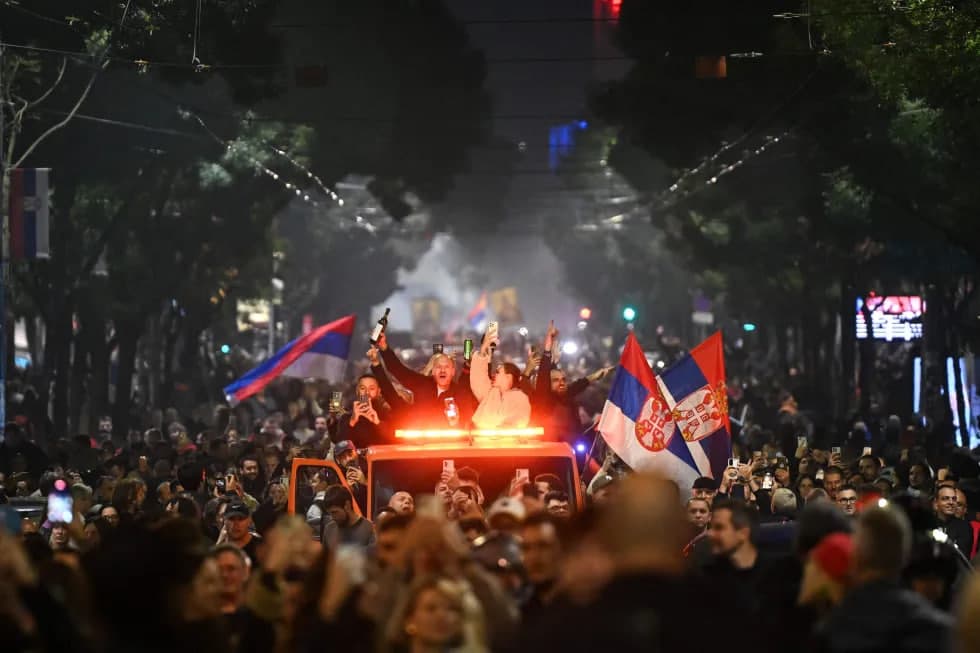
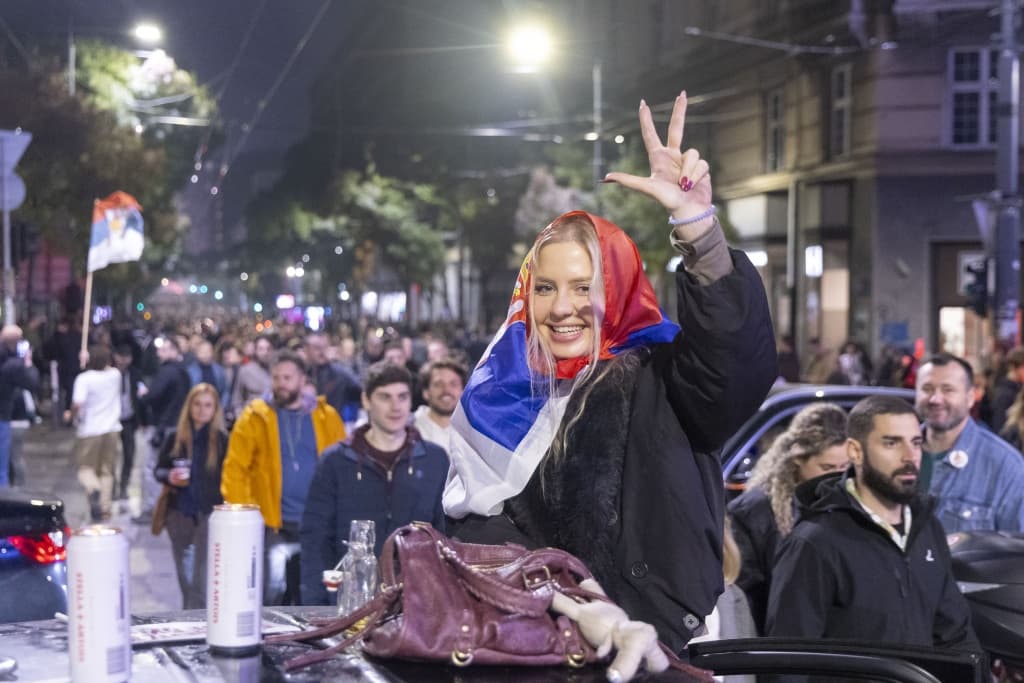
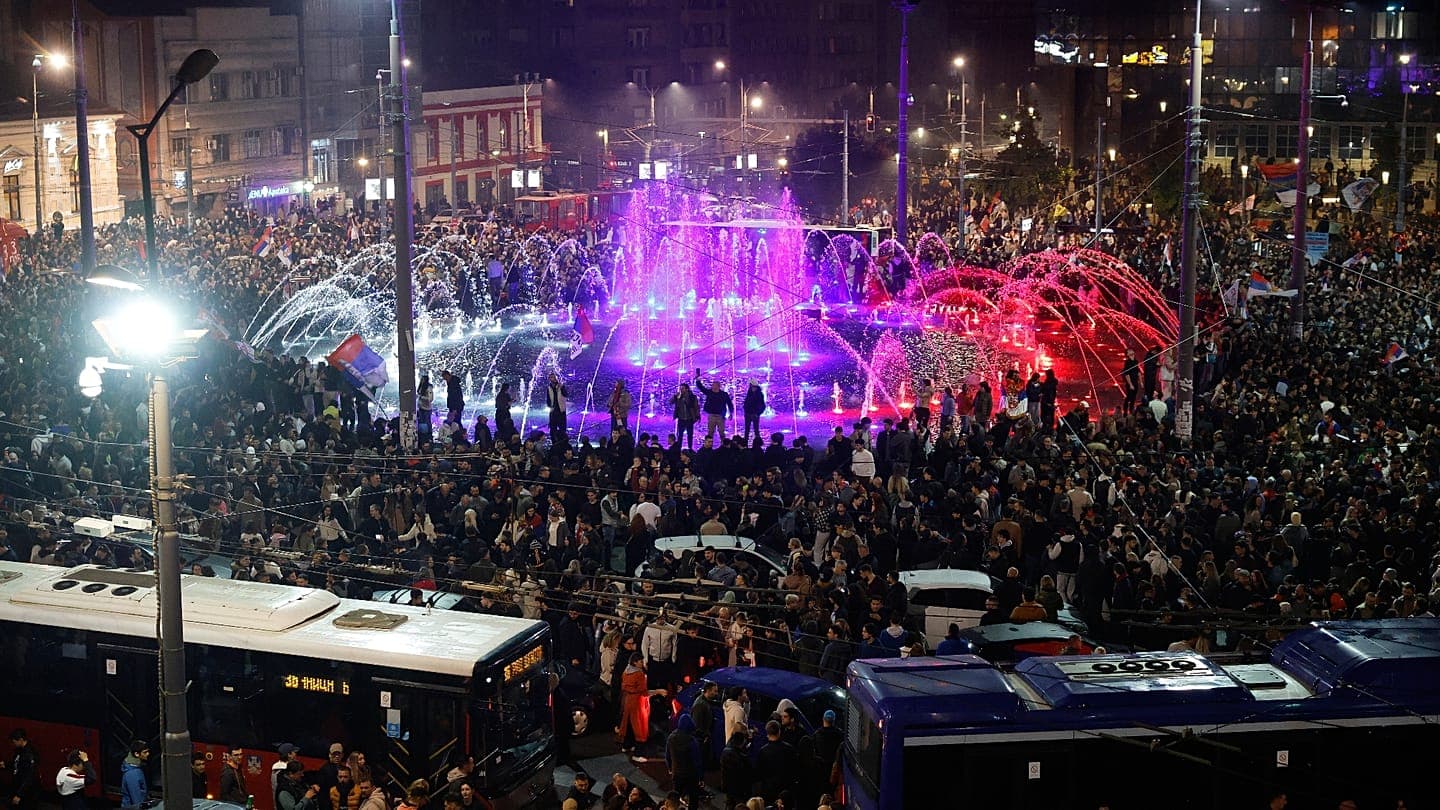
“There are no final results yet, but… it is obvious that we lost these elections. The Student List won: they will have between 135 and 140 seats, we have 105. No one else made it into parliament,” DW quotes Vucic as saying. A total of 18 lists were on the ballot, but the main contest was between the Serbian Progressive Party and the Student List (“Students Will Win”). According to Serbia’s Central Election Commission, turnout by 6 p.m. — two hours before the polls closed — stood at 64.9%, which, as noted in the publication, was a record since the breakup of Yugoslavia in 1992. After the concession of defeat, supporters of the Student List took to the streets of Belgrade to celebrate, the Serbian newspaper Danas writes.
What is the Student List and how did Vucic end up in this situation
The Student List was formally created only a month before the election, but in fact grew out of the mass protests that began after the collapse of a canopy at the Novi Sad railway station in November 2024, which killed 16 people. Government critics linked the tragedy to corruption and negligence. The movement has no single leader; none of its 250 candidates are students, but the list includes scientists, university professors, experts and athletes, and it is headed by Ilija Srdanovic, a professor at the University of Novi Sad and cardiologist. Its 11-point election program included three key blocks: fighting corruption (“Serbia or the Mafia”), reforming the education system, and socio-economic issues. Vucic stepped down as president at the end of September, two years before the end of his second term (it was due to expire in May 2027, and he could not run for a third), hoping to lead the government if his party won. As Kun.uz notes, that plan did not work out.