The key facts
- Narmer is considered one of the key figures in the unification of Upper and Lower Egypt around 3100 BC.
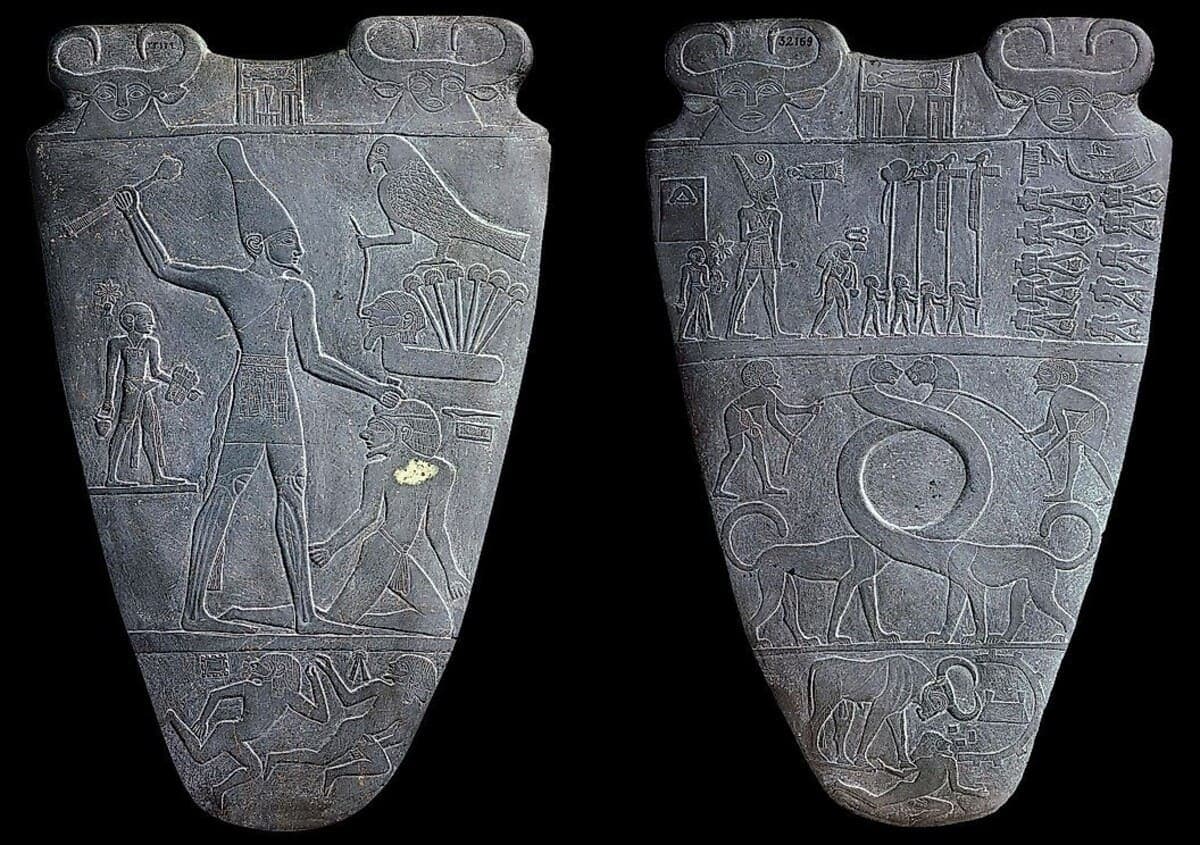
- The main archaeological source about him is the Narmer Palette, on which he is depicted wearing the white and red crowns.
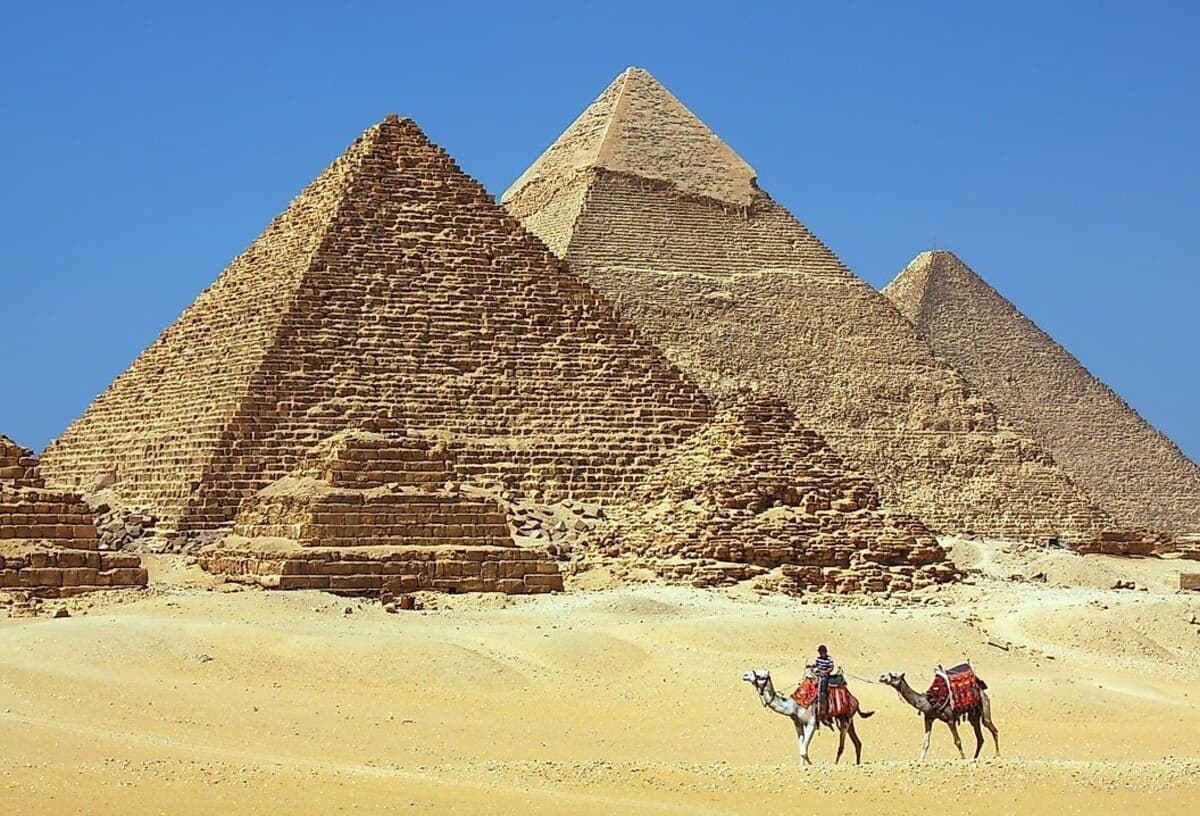
- Khufu (c. 2589–2566 BC) is associated with the Great Pyramid at Giza; his son Khafre and grandson Menkaure later built their pyramids there as well.
Unification of the country: the figure of Narmer
Kun.uz published a piece on the rulers of Ancient Egypt, whose decisions and constructions shaped the appearance of this civilization over nearly three thousand years of its history. The first figure in the publication is Narmer, who ruled around 3100 BC and is associated with the unification of Upper and Lower Egypt, which by that time had formed as separate political centers in the Nile Valley. The publication cites the Narmer Palette as the main archaeological evidence of his activity — a stone slab with carved images: on one side the ruler is shown wearing the white crown of Upper Egypt, defeating an enemy, and on the other — wearing the red crown of Lower Egypt. This indicates his power over both territories, but exactly how the unification took place — through war, diplomacy, or a combination of both — remains unknown. The publication also notes that the formation of a single state required the centralization of tax collection, control over agriculture and trade, and the supply of the army, while the sacred status of the pharaoh's power played an important role in preserving the unity of the country.
Khufu and the Great Pyramid
The second part of the piece is devoted to Khufu, who ruled approximately in 2589–2566 BC and directed the construction of the Great Pyramid at Giza — the most famous symbol of Ancient Egypt. The publication clarifies that the first step pyramid was built under Djoser, and after Khufu, his son Khafre and grandson Menkaure also erected their pyramids on the Giza plateau. These structures were part of the pharaohs' funerary complexes, and their construction required large-scale coordination of labor, food supplies, stone, and transport. It should be noted that the headline of the publication promises a story about five rulers, but only two — Narmer and Khufu — are described in detail in the available portion of the text; information about the other three figures, including Tutankhamun, mentioned in the headline in the context of the 'golden mask,' is absent from the provided material, so for now they can only be judged by the article's title.