The key facts
- Pope Leo XIV underwent a 90-minute operation on 13 October to remove a tumour from the lower part of his right lung and was discharged from Rome's Gemelli Hospital on 17 October.
- The Vatican confirmed that the tour of Uruguay, Argentina and Peru on 6–17 November will proceed under the original programme with visits to 10 cities.
- The Pope cancelled the trip to Assisi on 27 October on doctors' advice.
The Vatican confirmed the trip after surgery
The Vatican confirmed that Pope Leo XIV will travel to South America on the planned dates, despite his recently undergone lung cancer surgery. The 71-year-old pontiff underwent a successful operation in Rome on 13 October: surgeons removed a tumour in the lower part of his right lung. According to BBC News, the trip to Uruguay, Argentina and Peru is scheduled for 6–17 November, and the Pope, according to the Vatican, is awaiting it 'with great joy and enthusiasm'. The tour programme remains unchanged: the Pope will visit 10 cities.
Tour itinerary
The trip will begin on 8 November in Uruguay, where the Pope will visit the capital Montevideo and other key cities. From 11 to 17 November he will be in Argentina, including the capital Buenos Aires. Then will follow six days in Peru, where, according to BBC News, about 76% of the population is Catholic; stops are planned in Lima, Chiclayo, Cusco and Pucallpa. Cardinal Castillo, Archbishop of Lima, said, according to Vatican News, that the trip will focus on young people, women helping in the work of community kitchens, and representatives of the country's indigenous communities. The Archbishop emphasised the Pope's close ties with the residents of Chiclayo, where he lived for several years: the Pope holds Peruvian citizenship.
The pontiff's Peruvian past
The Catholic Church sent the future Pope to Peru as a missionary in 1985, when he was 30 years old. He joined the Augustinian mission in Chulucanas in the Peruvian department of Piura, and a year later the mission in the city of Trujillo. For almost three decades he worked, alternating between the United States and Peru.
Illness and recovery
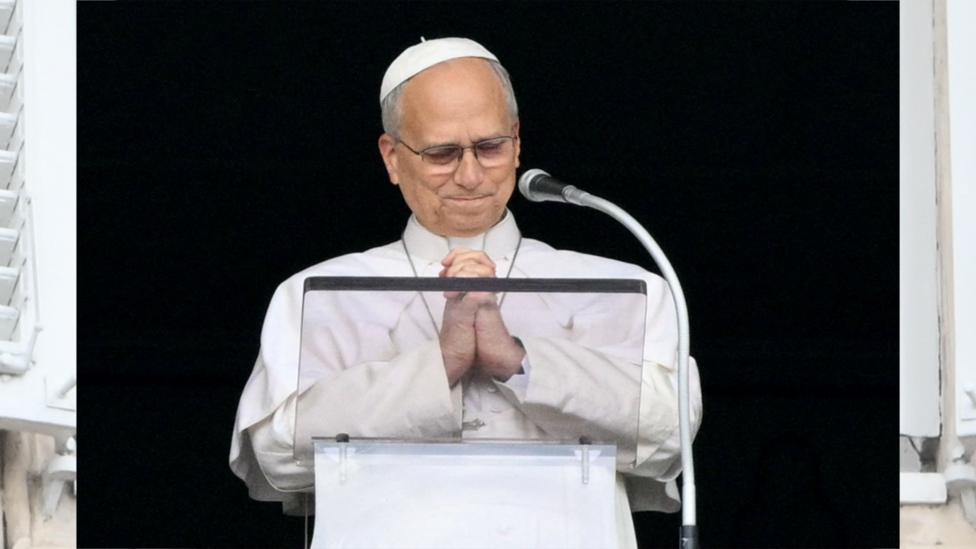
The Pope announced the illness himself on 11 October during the weekly Sunday prayer, telling those gathered in St Peter's Square that doctors had found a nodule in his lung. He assured the pilgrims that the growth was 'well localised' and detected 'at an early stage', but doctors advised removing it. The operation lasted 90 minutes, on 17 October the Pope was discharged from Rome's Gemelli Hospital. His surgeon Sergio Alfieri... no — his surgeon Stefano Margaritora stated that the Pope is in an 'absolutely satisfactory clinical condition' and there are 'no clinical reasons' to cancel the trip; tests showed the cancer is 'localised'. Since the operation the Pope has been resting and gradually returning to work: the Vatican said he 'is adjusting his daily schedule in consultation with doctors so that recovery remains the priority while he continues to carry out his duties of ministry', and that he is 'deeply grateful for the prayers and love received from all over the world'. At the same time, as BBC News reports, on Friday the Vatican announced the cancellation of the trip to Assisi planned for 27 October on doctors' advice.
Why it matters
The decision to keep the tour affects millions of Catholics in three South American countries, and for Peru the trip has special significance: the Pope lived there as a missionary for almost three decades and holds Peruvian citizenship, and the Archbishop of Lima emphasised his ties with Chiclayo. In practical terms, this means that preparations for visits to 10 cities continue on the original schedule, while the cancellation of the Assisi trip shows that doctors are still regulating the pontiff's workload. The full picture of the Pope's health remains limited: sources report only the localised nature of the cancer and his satisfactory condition.
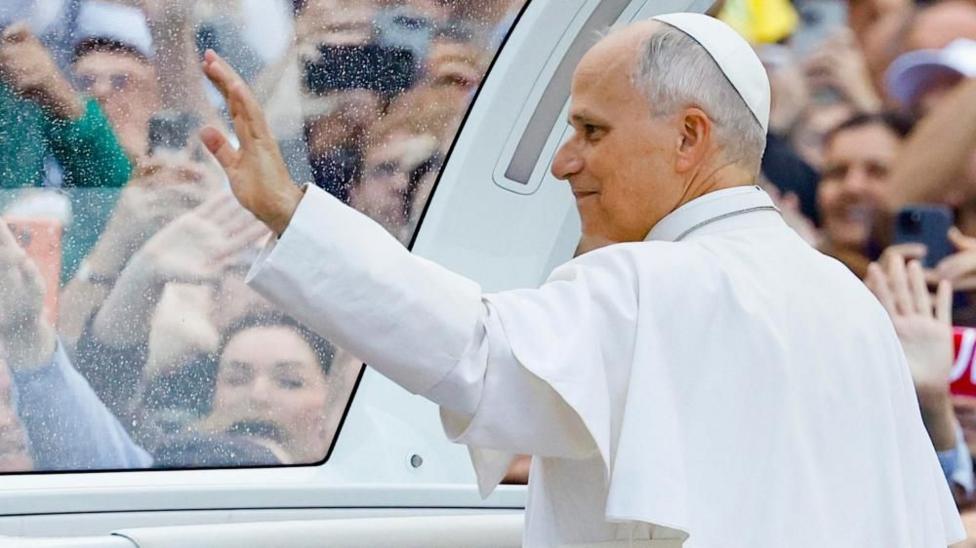 Image source, EPA
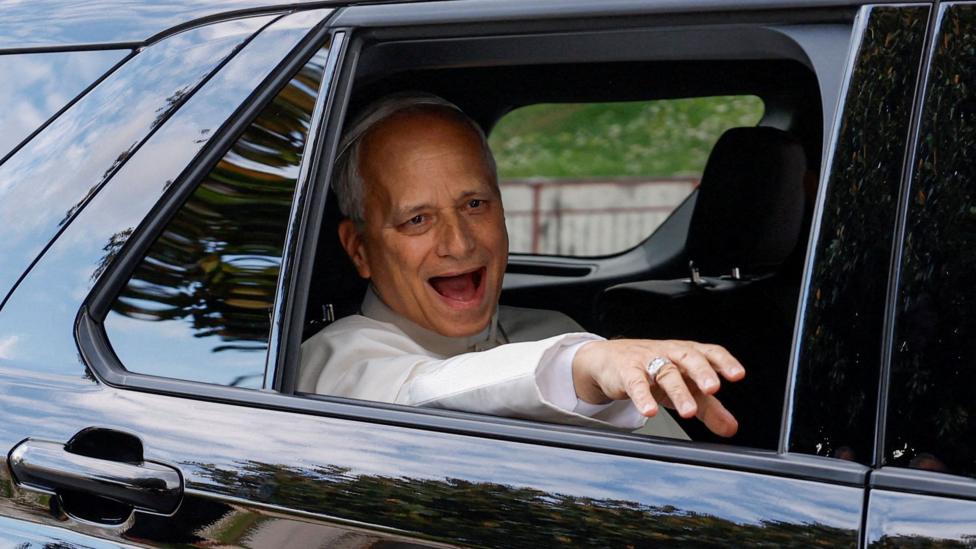 Image source, Reuters
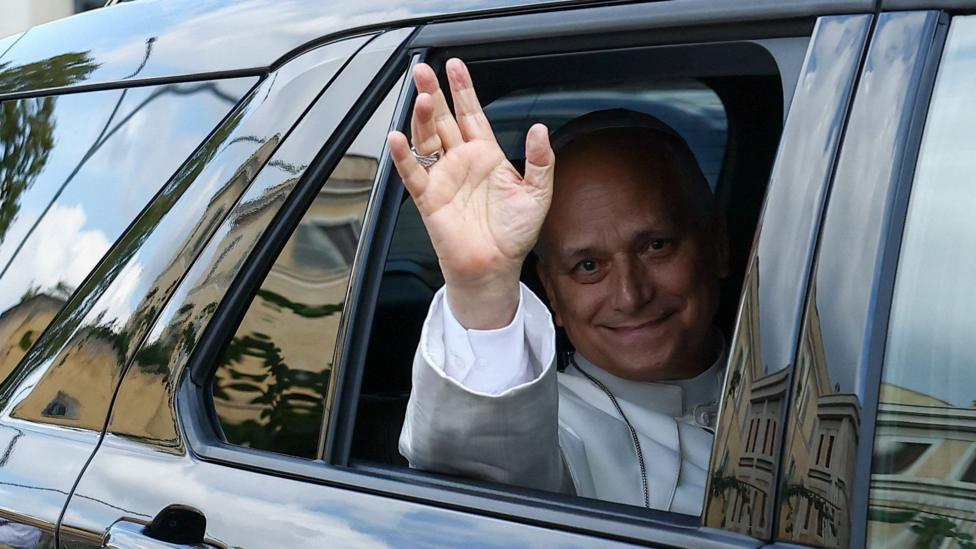
The Pope leaving Gemelli Hospital following his lung surgery on 17 October