The key facts
- The 'Student List' — 140 of 250 seats, the SNS — 104; no small party crossed the three-percent threshold
- Vucic said he expects the new authorities to impose sanctions on Russia and warned of a negative signal for investors
- Congratulations to the students came from European Council President Antonio Costa, Ursula von der Leyen, Marta Kos and Hungarian Prime Minister Peter Magyar
Victory of the student movement and the collapse of the old order
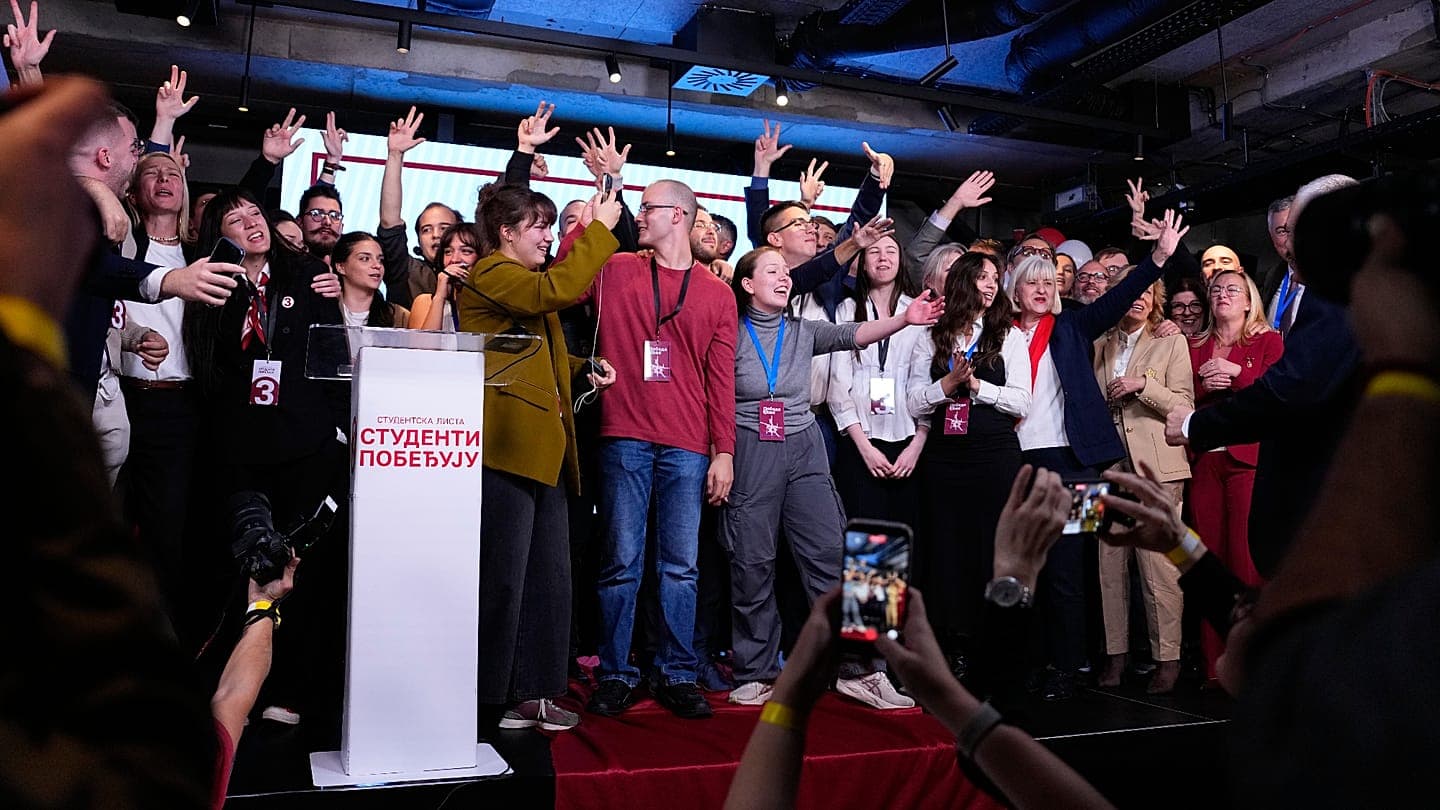
Parliamentary elections in Serbia ended with a result that euronews calls one of the biggest political upheavals in the country's modern history. The 'Student List', which grew out of months of student protests, won 140 of 250 seats in parliament — an absolute majority, enough to form a government on its own. The Serbian Progressive Party (SNS), which has dominated politics since 2012, with 104 seats is going into opposition for the first time in almost 14 years.
Not the traditional opposition, but students
The paradox of the result, according to euronews, is that the SNS lost not to the traditional opposition parties, but to the student movement, which managed to turn social discontent into electoral legitimacy. A significant part of voters, the outlet notes, voted not for a specific programme but against a model of governance associated with personalised power, control over institutions and the media, and social polarisation. Not a single small party crossed the three-percent threshold: the traditional party landscape has effectively vanished between the two dominant forces.
The collapse of the network of minority allies
The 'political geography' of national minorities, which had been part of Vucic's coalition for years, has also changed. the Alliance of Vojvodina Hungarians (SVM), a long-time partner of the SNS, won only three of the five possible seats, which, according to the outlet, indicates that part of Hungarian voters supported the 'Student List'. Only two Bosniak deputies will enter parliament — one from Vucic's former ally and one from a traditionally opposition movement — along with two representatives of the Albanian coalition, which has never cooperated with his government.
International reactions and Vucic's warnings
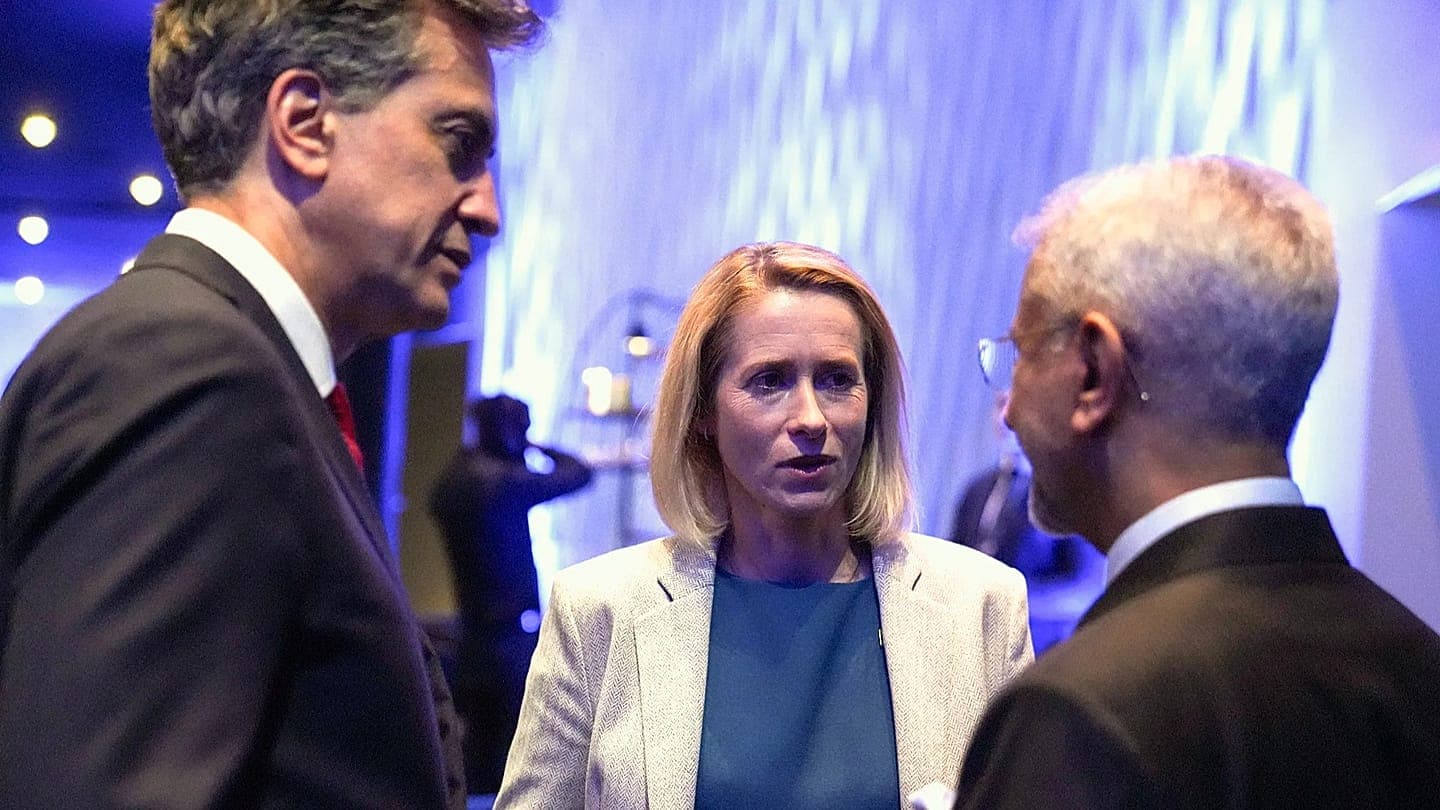
The winners were congratulated by European Council President Antonio Costa, European Commission President Ursula von der Leyen and EU enlargement commissioner Marta Kos, as well as Hungarian Prime Minister Peter Magyar — symbolically, since under Viktor Orban, who lost elections in April this year, Hungary was Vucic's closest ally within the EU. Vucic himself, in his first reaction, said he expects the new authorities to introduce sanctions against Russia — a step that would mark a major reversal of the country's foreign policy, which had maintained close ties with Moscow while pursuing EU accession. He also warned that the election result could send a negative signal to investors; at the same time, the 'Student List' inherits an economy deeply integrated into the European market and global investment flows.
What comes next
The winners face the task of turning a protest movement into a functioning political system: forming a government, building structures and defining policy on the economy, foreign affairs, European integration and the rule of law. The list's candidate, academician Radomir Sajcic, said that 'serious work and the building of a new Serbia begin tomorrow', while economics faculty professor Dejan Soskic called the situation historic: 'Serbia has freed itself and has a chance to become a democratic and free society again.' For the SNS, meanwhile, for the first time since 2012, a test of strength awaits in conditions of separation from the state apparatus.