The key facts
- Alex Christoforou believes the Serbian elections will create a “new challenge” for the EU and doubts the Student List's ability to hold on to power.
- According to preliminary estimates, the Student List may win 135–140 of the 250 parliamentary seats; Vucic conceded the defeat of his coalition.
- Von der Leyen and Costa congratulated the Student List and expressed readiness to support reforms and Serbia's rapprochement with the EU.
A journalist's forecast and the voting results
Serbia's parliamentary elections could turn into serious problems for the European Union, and their consequences may extend far beyond the country. This forecast was made by Cypriot journalist Alex Christoforou in an episode on his YouTube channel, published before the voting results were tallied. “The EU will face a new challenge that will become a big problem”, he said, adding that the political situation in Europe after the Serbian elections could change dramatically. Christoforou also doubted the opposition Student List's ability to hold on to power even in the event of victory: “I don't think these students will be able to hold on to power, even if they take it,” the journalist noted, expressing hope that the situation will not worsen.
Brussels' reaction diverges from the forecast
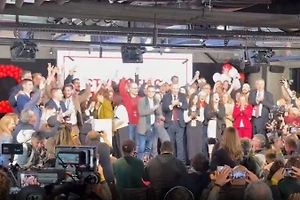
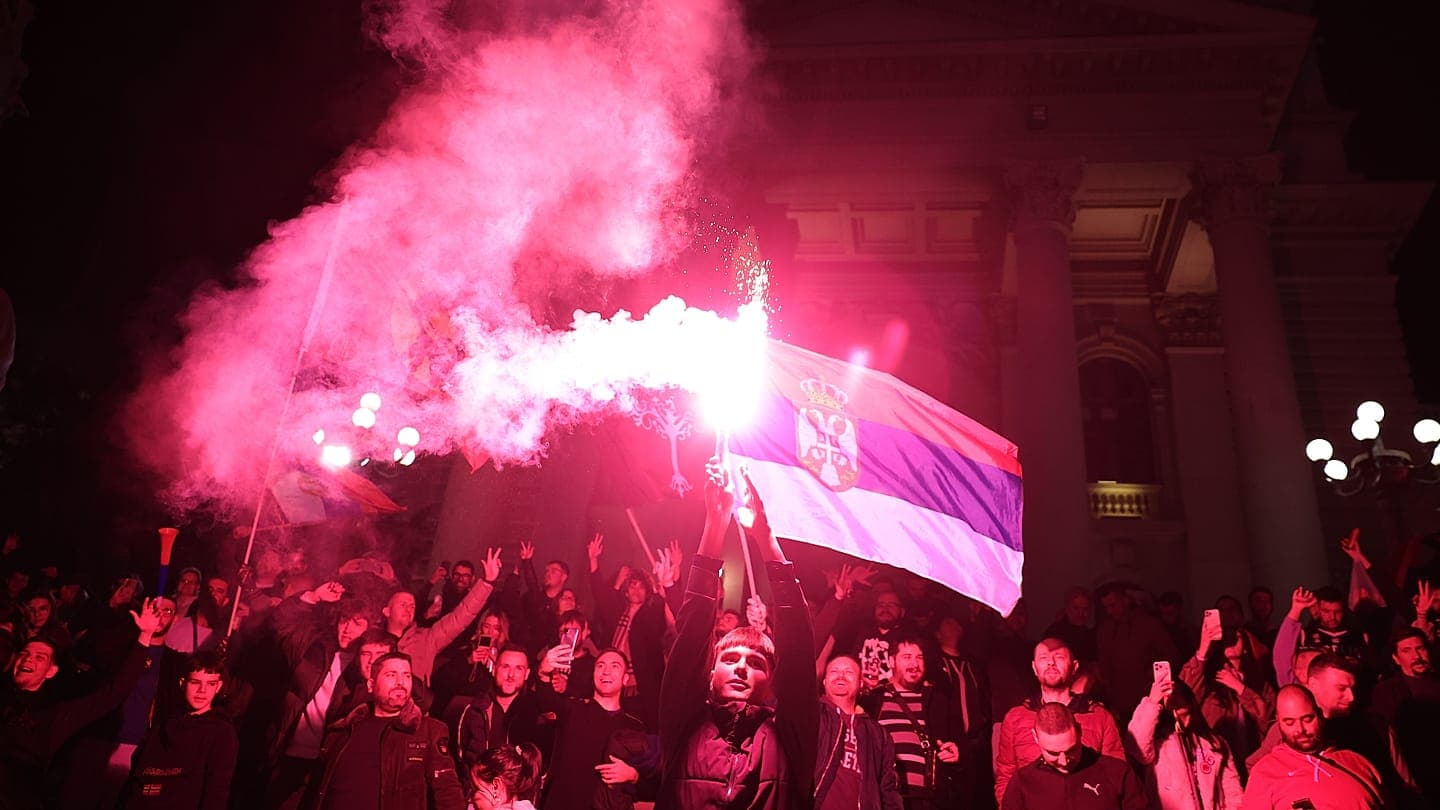
Meanwhile, the voting has already concluded: former president Aleksandar Vucic conceded the defeat of his coalition. According to preliminary estimates, the Student List may win between 135 and 140 of the 250 parliamentary seats; the final results have not yet been announced. The EU leadership reacted differently than Christoforou had suggested: European Commission President Ursula von der Leyen and European Council President Antonio Costa congratulated the Student List on its victory and expressed readiness to support reforms and Serbia's further rapprochement with the EU.
Election context and the sanctions question
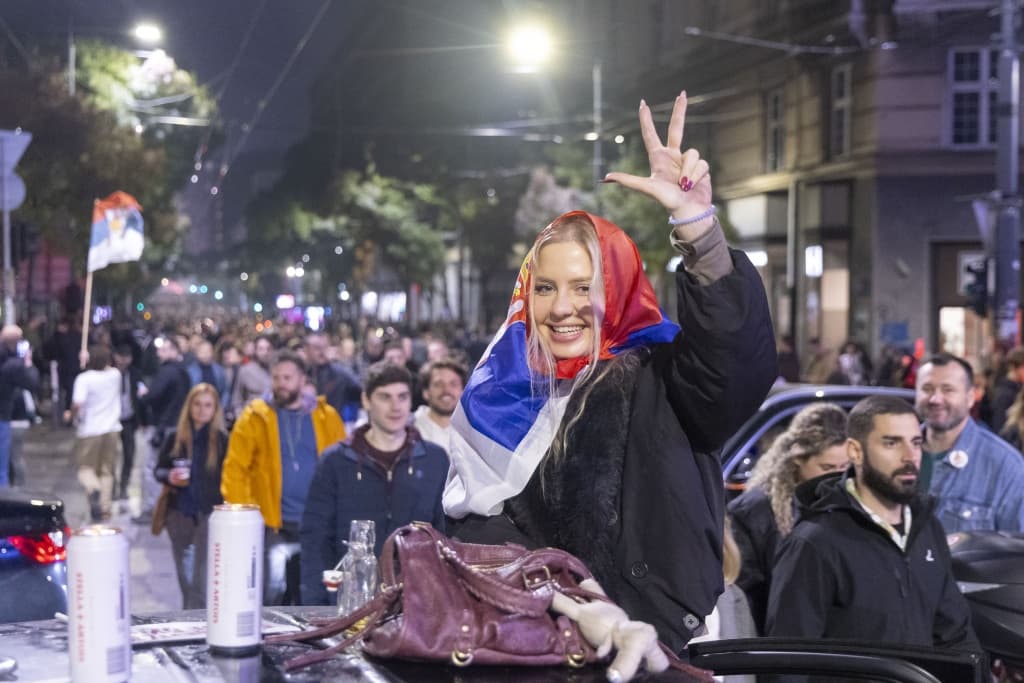
The early elections were the result of prolonged anti-government protests that began after the collapse of a canopy at the Novi Sad railway station in November 2024, which killed 16 people. The protesters demanded an investigation into the tragedy and that those responsible be held accountable, and later called for a change of power. After conceding defeat, Vucic suggested that Serbia could impose sanctions against Russia as early as spring 2027 — even though representatives of the Student List themselves had previously advocated maintaining military neutrality and rejecting anti-Russian restrictions.
Why this matters
The election results will determine the course of Serbia — a country whose position on Russia and European integration is divided even within the winning coalition: Vucic allows for sanctions by spring 2027, while the Student List has declared neutrality. As the final results have not yet been announced, the question of the actual composition of the government and its policies remains open, which is what makes the situation significant both for Serbia and for its partners.