The key facts
- About 300 members of the CPC Central Committee are taking part in the fifth plenum in Beijing; the session is closed and will end on Thursday
- The lowest attendance since Mao Zedong's death in 1976 is expected: 8 vacancies on the Central Committee, 15 members under investigation
- The plenum is being held ahead of the party congress, where the 73-year-old Xi Jinping will likely receive a historic fourth term
Plenum under a tight veil of secrecy
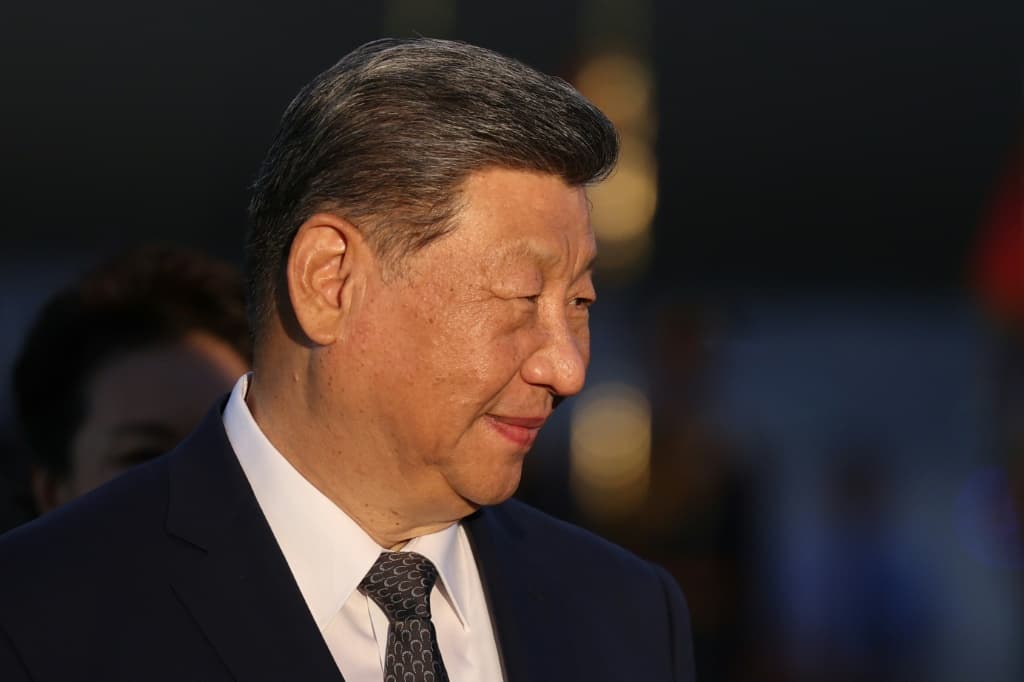
Chinese President Xi Jinping and other top leaders of the country gathered in Beijing on Monday for a key party meeting, which is being closely watched for hints about the country's development direction and the future line-up of personnel. The session, known as the fifth plenum, is attended by about 300 members of the ruling Central Committee of the Communist Party, AFP reports citing state media. According to them, participants intend to tighten discipline within their ranks, including measures to reduce corruption and improve the efficiency and loyalty of cadres.
Closed format and timing
Almost nothing will be known about the course of the closed meeting, which is taking place under heightened security, until it ends on Thursday, but its timing is critically important: the plenum is being held ahead of a major party congress next year, at which the 73-year-old Xi, according to AFP's assessment, will almost certainly receive a historic fourth term and carry out a shake-up of the leadership. Previous plenums have served as key moments for consolidating Xi's authority. The outcome of the meeting is expected to be published by the authorities as a communiqué after it closes on Thursday.
Cadre shortage after the anti-corruption campaign
Xi has been waging a 14-year campaign against corruption, in which thousands of officials have been removed, including dozens of Central Committee members, but, according to AFP, he remains dissatisfied with the cadres who, in his view, fail to carry out his directives. On the eve of the plenum, state media published an article based on a January speech by Xi in which he criticized 'two-faced' officials who outwardly follow central directives but 'resist internally,' pursue 'individualism' and are 'political opportunists.' Analysts interviewed by AFP believe Xi is trying to improve the efficiency and loyalty of cadres by strengthening oversight and rules. Because of the large-scale purges, the agency estimates that this plenum is expected to see the lowest attendance since Mao Zedong's death in 1976: eight seats on the Central Committee are vacant, and another 15 members are under investigation and risk being replaced.
Military purges and the economic context
The anti-corruption campaign has also touched the military: of the seven members of the Central Military Commission (CMC), the party's top military body, five have been removed. According to the Asia Society Policy Institute, of the 44 military officers appointed to the Central Committee in 2022, only two have escaped being purged or disappearing. AFP notes that at the plenum new members may be appointed to the CMC, the party may postpone replenishing the commission until next year's congress, or Xi may reform the party's control over the military. The meeting is also taking place at a difficult moment for the world's second-largest economy: the authorities are battling sluggish domestic spending and a prolonged crisis in the key real estate sector, while turbulent political and economic relations with the United States are also weighing on the Chinese leadership.
Why this matters
The plenum is the Communist Party's main personnel and ideological instrument ahead of the 2027 congress, and its outcomes will determine the composition of the country's leadership for years to come. For the global economy and China's external partners, including Central Asian countries, signals about Beijing's course are important against the backdrop of economic difficulties and tensions with the United States. In practical terms, one should expect the publication of a communiqué on Thursday, as well as possible personnel decisions regarding the Central Committee and the Central Military Commission, which will clarify the scale of further reshuffles.