The key facts
- E5 defence ministers (France, Germany, Italy, Poland, the United Kingdom) meet in Paris to name Russia the main threat to Europe's security
- E5 defence ministers (France, Germany, Italy, Poland, the United Kingdom) meet in Paris to name Russia as Europe's main security threat
- The draft statement emphasises support for Ukraine and the need for Europe to take «greater responsibility» for its own security within NATO
- The statement comes amid a US–Russia deal on diesel supplies in exchange for refraining from new sanctions, which drew criticism from Kyiv and European leaders
- The statement comes against the backdrop of a US–Russia deal on diesel supplies in exchange for waiving new sanctions, which drew criticism from Kyiv and European leaders
Joint statement of five countries
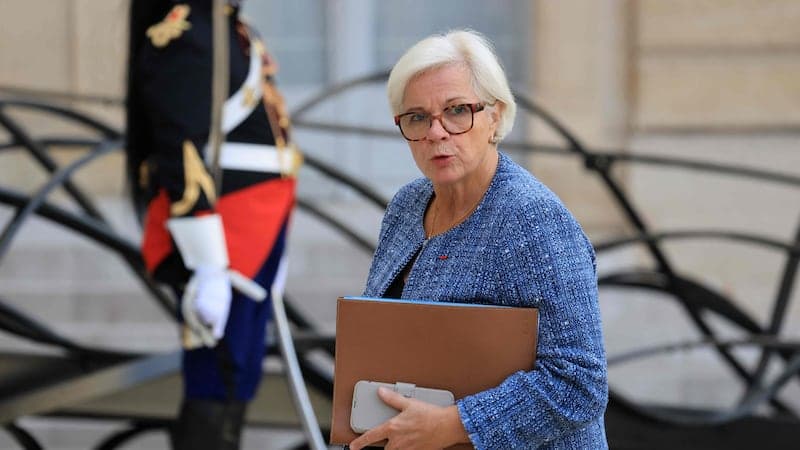
The five largest military spenders in Europe — France, Germany, Italy, Poland and the United Kingdom (the E5 format) — are preparing a joint statement, in which Russia will be named the «most acute and long-term threat» to the security of the continent. The National cites the draft document referenced by Bloomberg News. The statement is expected to be published after a meeting in Paris on Monday, hosted by French Defence Minister Catherine Vautrin with the participation of the defence chiefs of the other four countries. It is noted that the wording may change before publication.
Contents of the draft document
The draft statement says that «Russia's ongoing aggressive war against Ukraine» and «continued violations of allied airspace, acts of sabotage and the growing use of hybrid attacks across several domains» do not undermine the unity and cohesion of the alliance. The ministers also intend to state that Europe «must take greater responsibility for its own security». At the same time, the United States remains an «indispensable ally», but this responsibility «must begin with expanding the role of European allies within NATO». The leaders plan to take on a greater political and military role in modernising armed forces, strengthening NATO's collective defence and enhancing Europe's defence capability. According to the draft, EU regulatory and financial resources could support the defence ambitions of member states, while the bloc's efforts should complement NATO rather than duplicate its work, and remain open to countries outside the alliance. Separately, the document stresses «unwavering commitment» to supporting Ukraine, including countering Russia's «shadow fleet» and violations of European airspace: Ukraine's ability to defend itself is «critical to collective Euro-Atlantic security».
Context: hybrid attacks and Germany's position
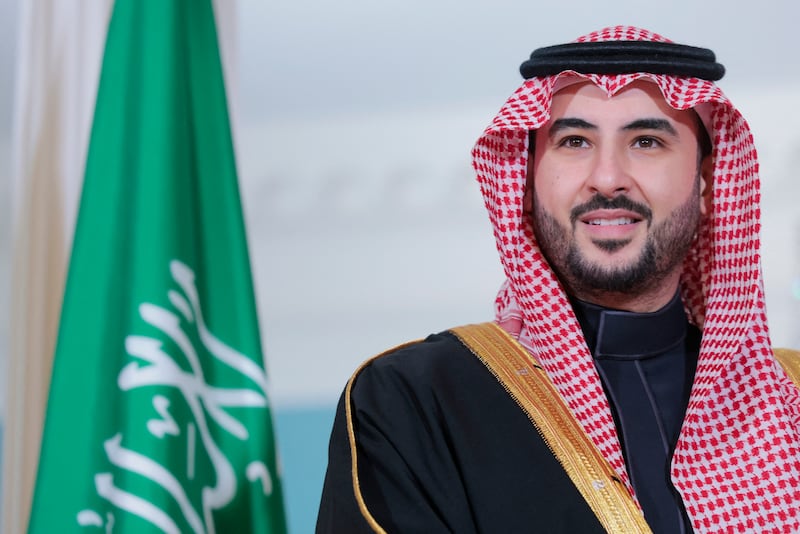
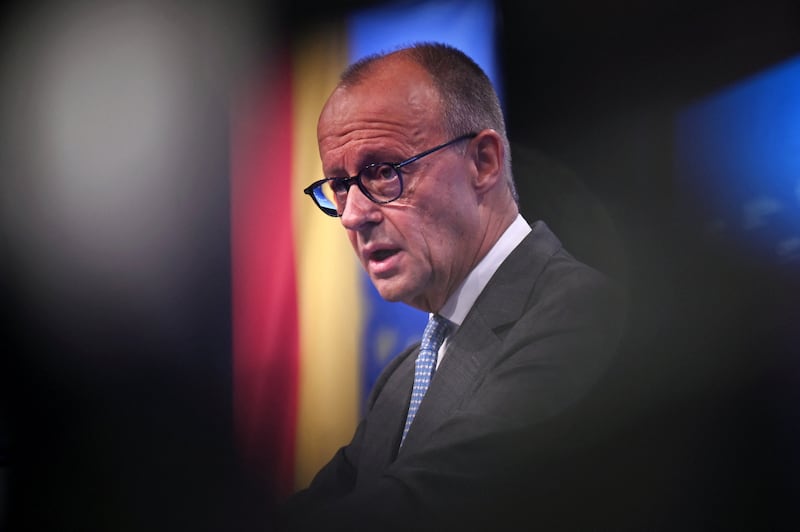
The statement came in response to an intensification of Russia's hybrid attack campaign in Europe — according to sources, this involves alleged sabotage, cyberattacks, arson and drone incursions , as well as threats to critical infrastructure and defence companies. European officials view these actions as an attempt by Moscow to test the limits of NATO's capabilities, destabilise support for Ukraine and exploit uncertainty about the alliance's response. German Chancellor Friedrich Merz warned last week that the Russian threat extends beyond the war in Ukraine: according to him, Moscow is increasingly seeking to destabilise European democracies through pressure, interference and hybrid attacks. In an interview with Bloomberg Television on 19 October, he said that Europe must take the threat more seriously, strengthen its defence and reduce its dependence on the United States, while continuing to support Ukraine. In addition to Ukraine, the ministers at the Paris meeting will discuss «security challenges in the Middle East», Vautrin's office said; this comes against the backdrop of the visit of Saudi Defence Minister Prince Khalid bin Salman to Iran , together with representatives of the Mecca Agreement countries, to advance a diplomatic settlement of the crises in the region.
Background: the US–Russia deal
The European leaders' move follows an escalation of tensions between the United States and Ukraine after an agreement between US President Donald Trump and Russian President Vladimir Putin: Washington agreed to refrain from new sanctions in exchange for diesel fuel supplies from Moscow to the world market in order to reduce rising energy prices. The agreement drew harsh criticism from American politicians allied with Trump, as well as from Kyiv and European leaders. Editorial conclusion from the facts presented: the E5 statement marks an attempt by European countries to formalise a common position on Russia precisely at the moment when the transatlantic agenda has been complicated by the Trump–Putin deal and Merz's calls to reduce dependence on the United States; the practical consequence should be the measures declared in the draft to strengthen Europe's defence capability and continue support for Ukraine. The final wording of the statement and specific decisions from the Paris meeting remain unknown.