The key facts
- Josef Aschbacher proposed about 10 billion euros over ten years for an autonomous European crewed spaceflight system; the alternative — buying services from foreign operators — is estimated by him at roughly 5 billion euros over the same period.
- The funding decision will be made by member states at the meeting on December 15 in Rome (Intermediate Ministerial Meeting 2026).
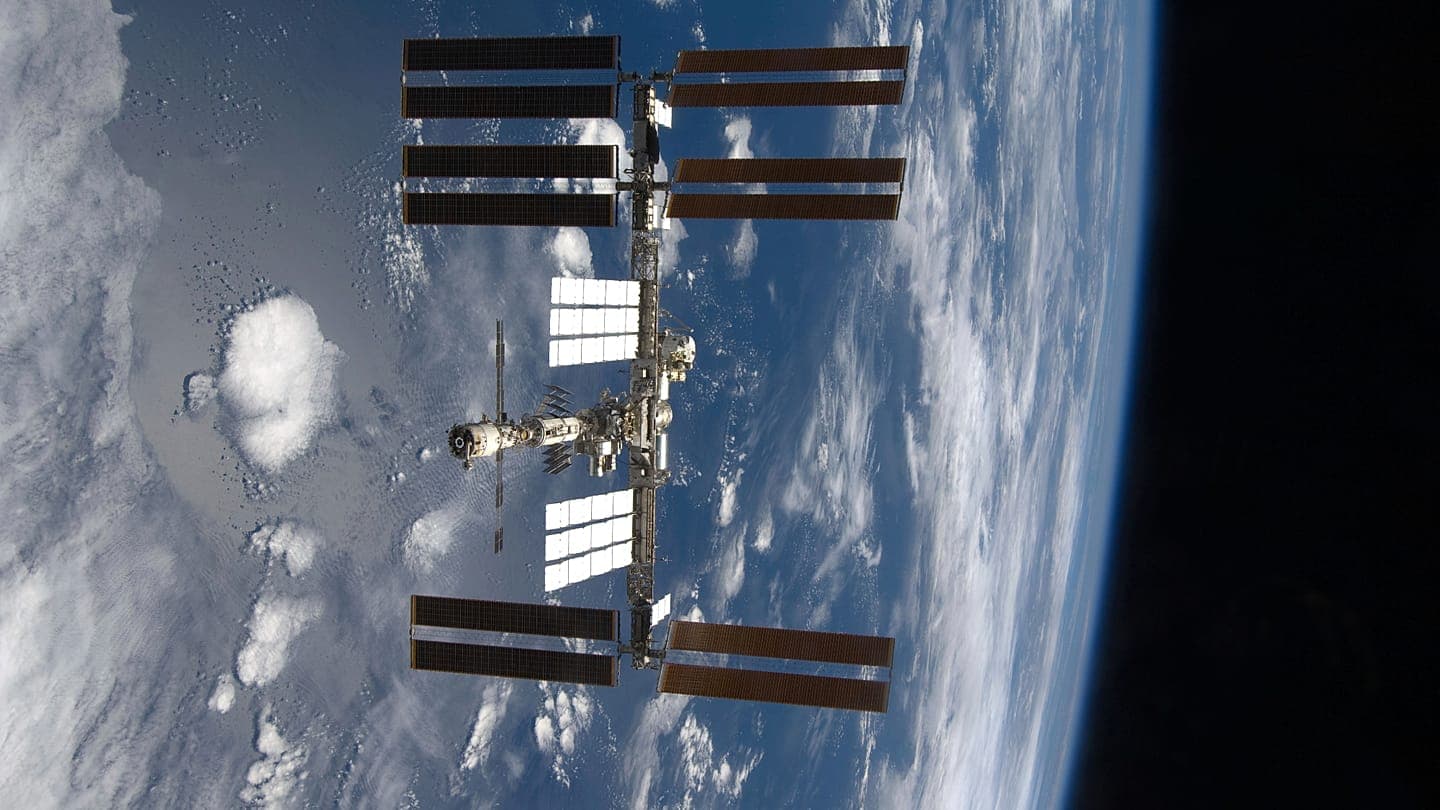
- The plan is linked to the ISS winding down by 2030 and the development of the Ariane 6 and Vega-C launchers, the Nyx capsule, and private startups such as Isar Aerospace.
A bet on autonomy
Europe today has no system of its own for launching astronauts into orbit and bringing them back: for crewed missions to the ISS it depends on capabilities created outside the continent, primarily in the United States. ESA Director General Josef Aschbacher has proposed changing this by investing about 10 billion euros over ten years in developing a European system for delivering astronauts to space and back. By his estimate, continuing to buy services from foreign providers would cost European taxpayers roughly 5 billion euros over the same period. Importantly, these are calculations, not already allocated funds: the political and financial decision must be made by the member states, and it is they who will have to choose between building their own industrial competencies and continuing purchases from external operators whose prices and availability depend on their commercial decisions.
What the Rome summit will decide
The key date is December 15, when the Intermediate Ministerial Meeting 2026 will take place in Rome. As euronews reports, the agenda includes strengthening Europe's role in low Earth orbit, preparing for the era after the International Space Station, which under current plans is to cease operations by 2030, consolidating a presence on the Moon, and looking toward Mars. This is not about abandoning international cooperation, but about greater autonomy within it. One summit will not remove all the sector's vulnerabilities, but it will show which goals the member states are ready to fund, and on what timelines.
The technological base: launchers, capsules, startups
Autonomy also rests on an existing industrial base. Europe is counting on the heavy-lift Ariane 6 and on Vega-C, which in September 2026 placed the FLEX and Sentinel-3C satellites into orbit as part of the Earth observation programme. Competition, meanwhile, is global: SpaceX, with its frequent launches and reusable rockets, occupies a central place in the market, so European launchers need to be competitive in cost, availability and timelines. New players are also showing progress: on September 5, 2026, the Spectrum rocket of Germany's Isar Aerospace reached space for the first time and placed five small satellites and an experimental payload into orbit — after its first test launch in March 2025 ended roughly 30 seconds after liftoff. A separate area is cargo delivery: on September 10, 2026, ESA signed a 760-million-euro contract with The Exploration Company under the ALADDIN programme for the Nyx capsule, including 310 million euros for a demonstration mission and a further 450 million euros for two missions yet to be confirmed. Work on reusable rockets is also being carried out by France's MaiaSpace and Italy's Avio, although the results of their demonstrators, as the outlet notes, should be judged by official updates.
What this changes in practice
The stakes go beyond transporting astronauts: an autonomous system would keep most of the investment within the European space industry, advance reusable technologies and strengthen the continent's negotiating position in international programmes. For Italy, which is hosting the summit, the issue also has a domestic dimension: in June 2026, a cross-party parliamentary group on space, chaired by Andrea Mascaretti, launched the Estates General of the Space Economy — a programme of twenty events in sixteen regions of the country to develop strategic guidelines for the sector. A comparison of the two euronews publications shows the main point: so far only a decision to discuss the options prepared by the agency has been made — the funding itself remains a matter of negotiation among the member states.